




The Secret Logic of Ordinary Things
Pens, keys, cans, tracks, and tabs all carry tiny decisions someone made for a reason.
TinyThat Field Notes
Start with a question you almost skipped. End up inside design, science, history, nature, memory, and the odd little decisions that make the world feel familiar.

Editor's Picks

Body & Immune System
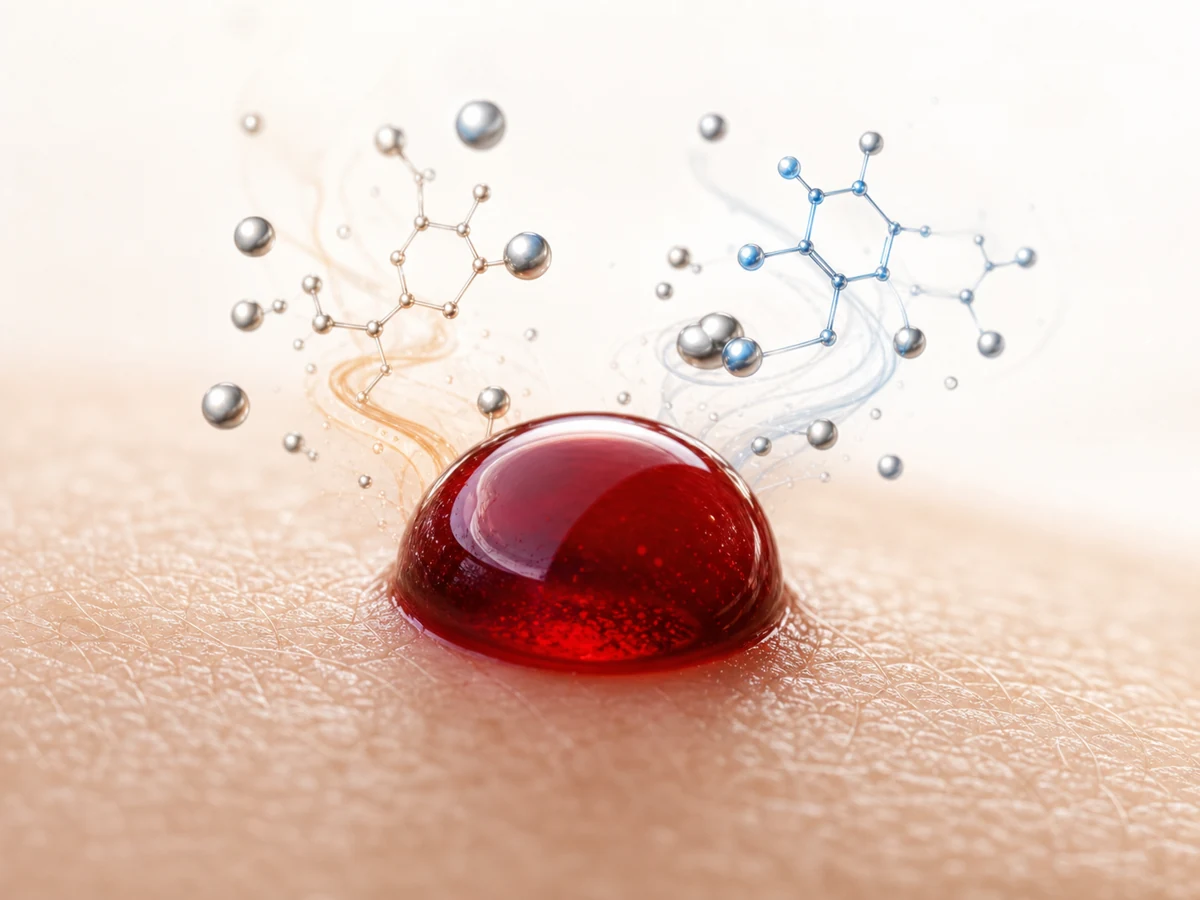
The itch is not from the bite itself. It comes from your own immune system reacting to mosquito saliva. Here is what is actually happening under your skin.
Open article ->
It is all about pressure
Airplanes fly by generating lift with their wings. Air moving over the curved top of the wing travels faster, creating lower pressure that pulls the plane upward.
Open article ->

Where gravity wins completely
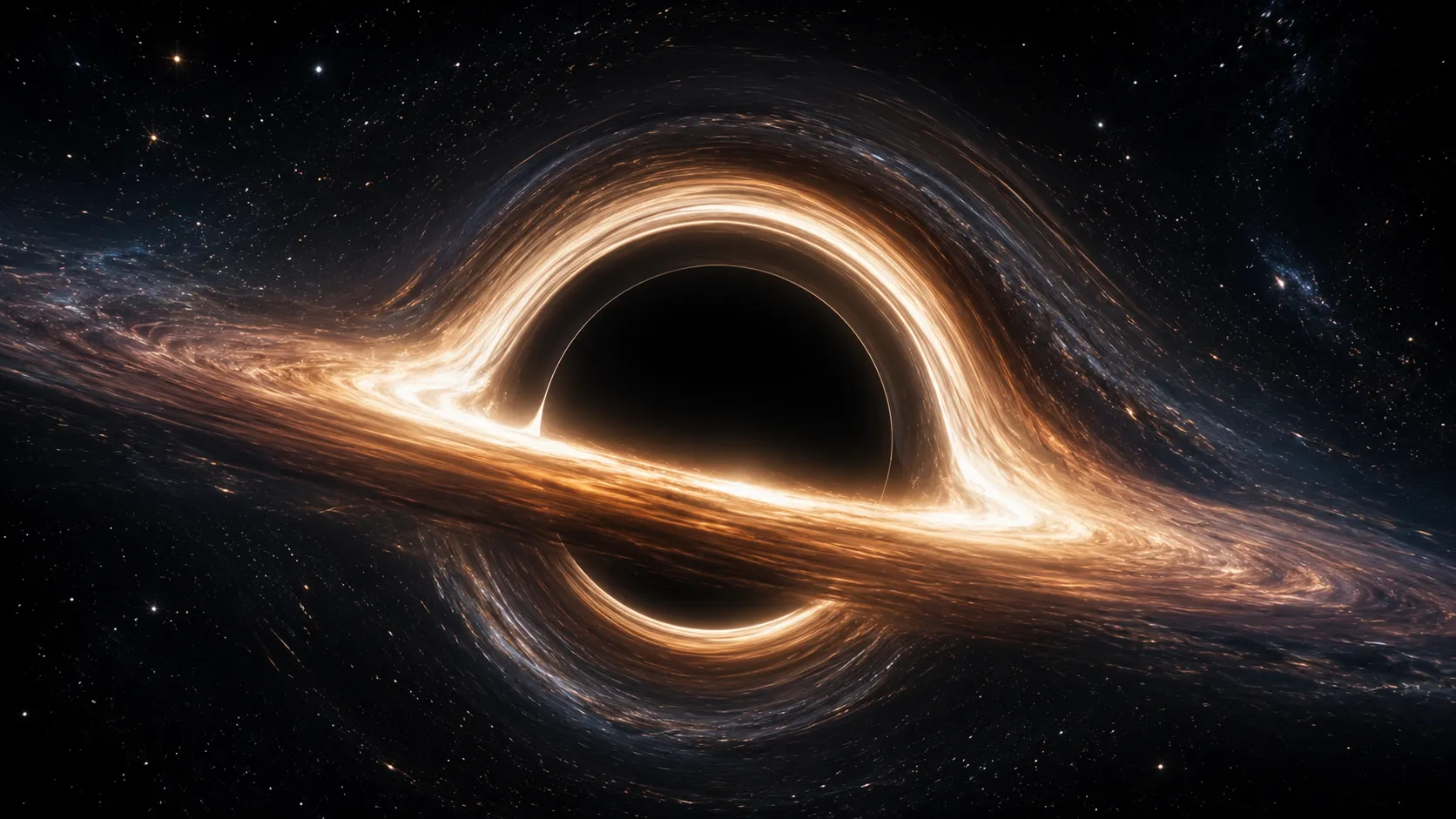
A black hole is a region of space where gravity is so strong that nothing, not even light, can escape. Here is what they are, how they form, and what falling into one would actually involve.
Open article ->

Glass is a solid. Full stop.
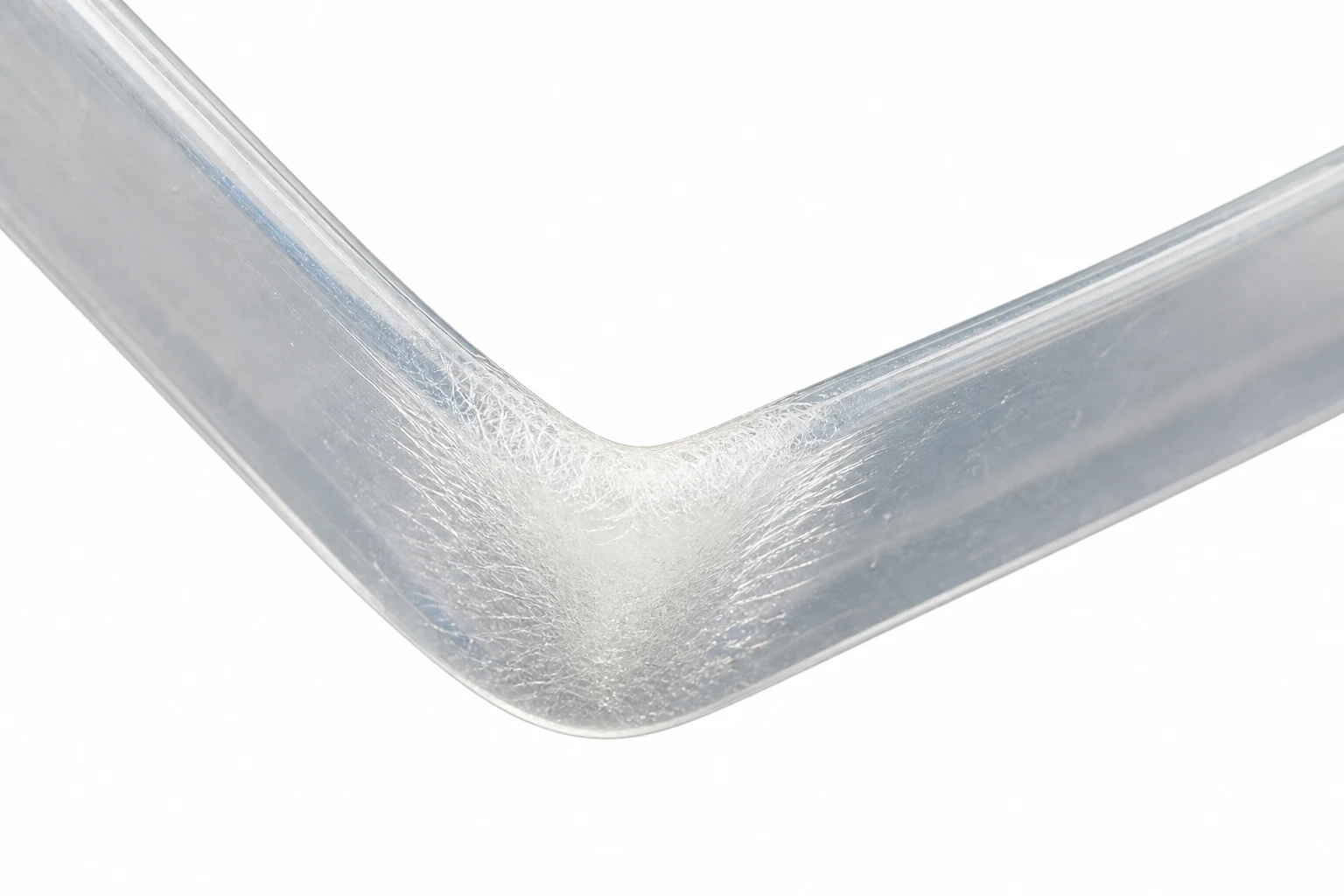
Glass is a solid. The old window thickness myth is wrong. Here is what glass actually is, why old windows are uneven, and what a supercooled liquid actually means.
Open article ->
Space & Atmosphere
Sunsets are red because sunlight travels through far more atmosphere at a low angle, scattering away blue light and leaving only red and orange to reach your eyes.
Open article ->

It depends on what you mean by drowning
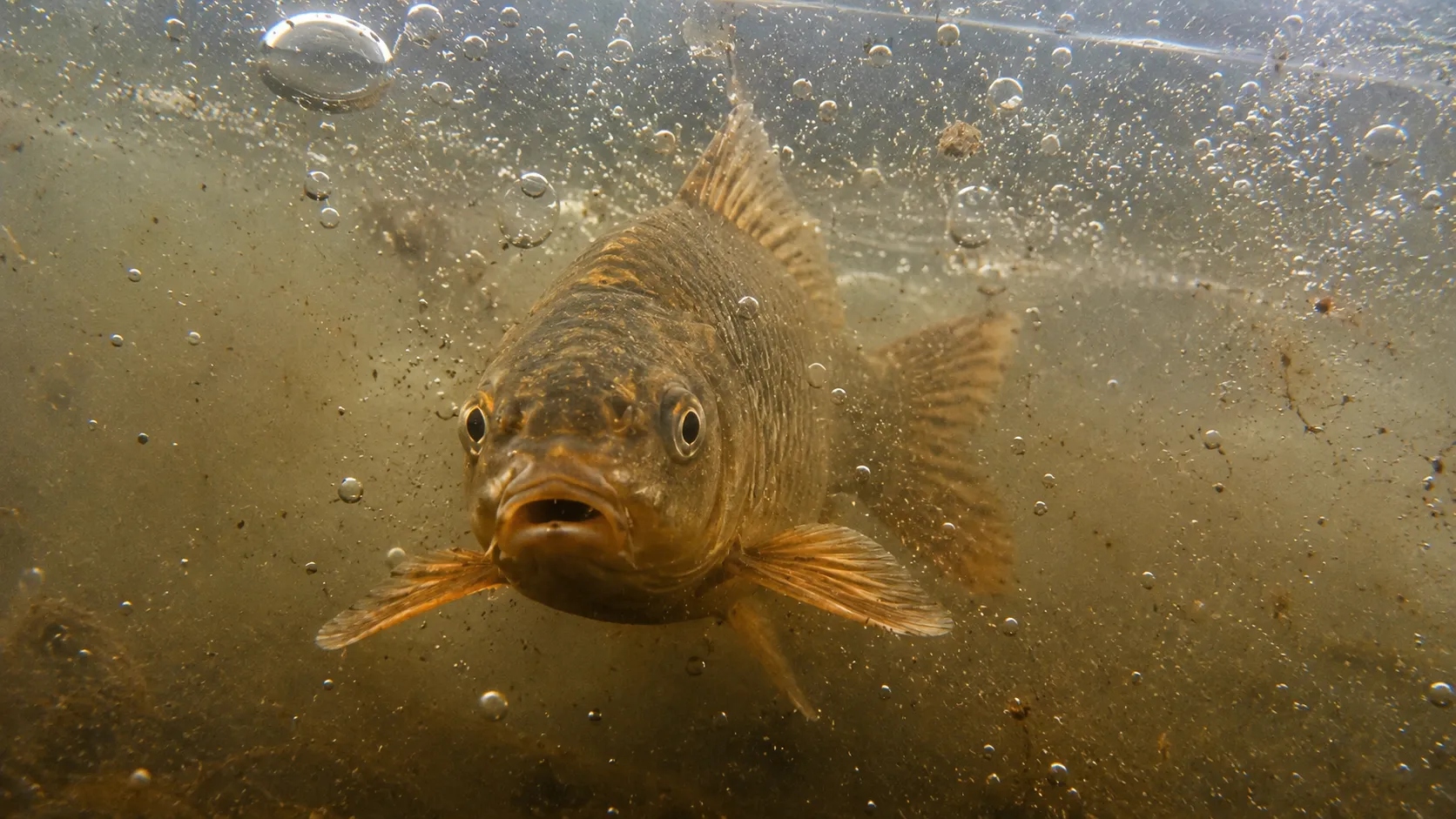
Fish can suffocate if the water does not contain enough dissolved oxygen. That is not drowning in the human sense, but the result is the same. Here is how fish breathing actually works.
Open article ->

The science is pretty clear on this one
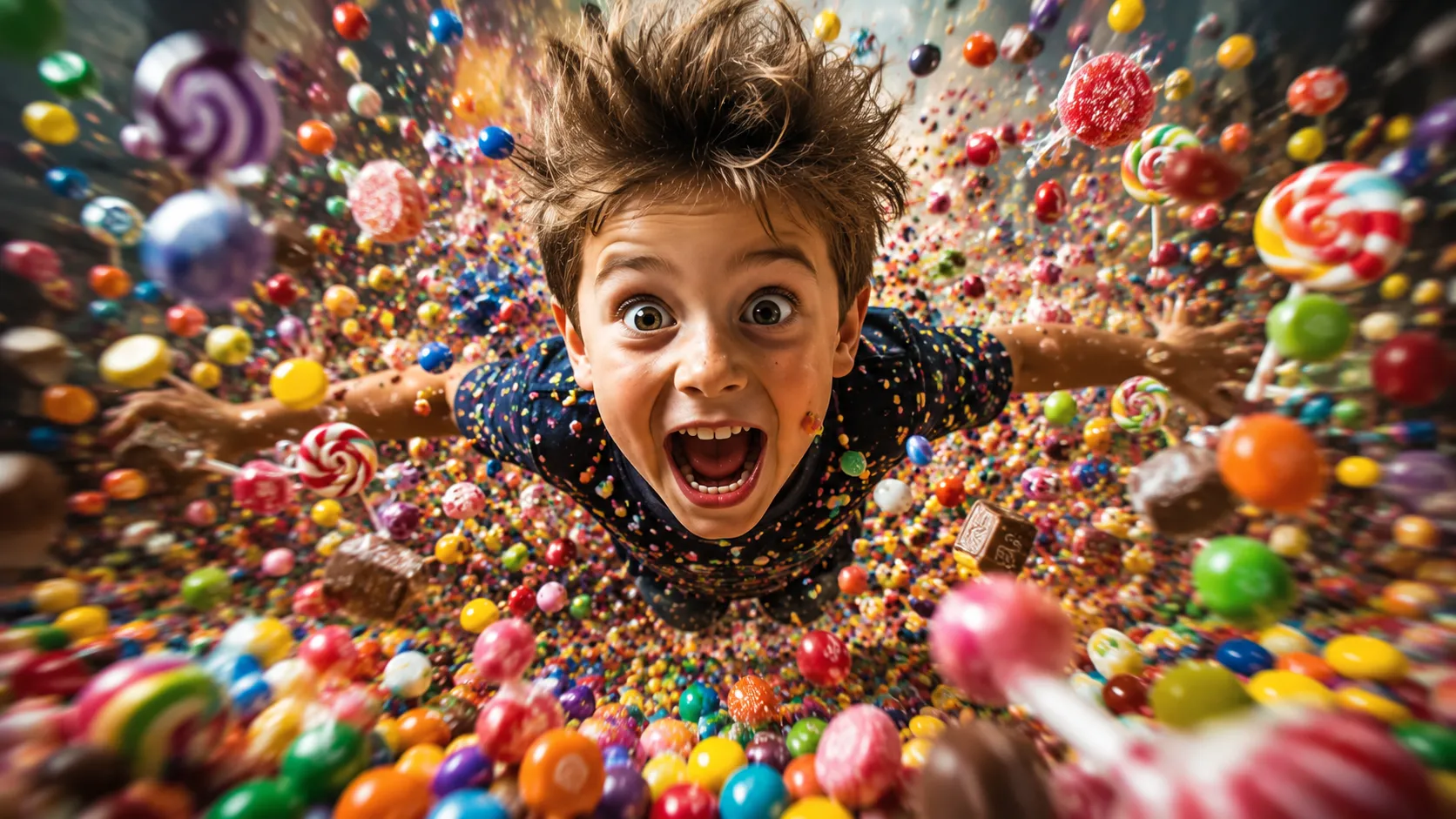
Multiple controlled studies have found no link between sugar and hyperactivity in children. The belief persists anyway. Here is why, and what is actually happening.
Open article ->

Space & Atmosphere
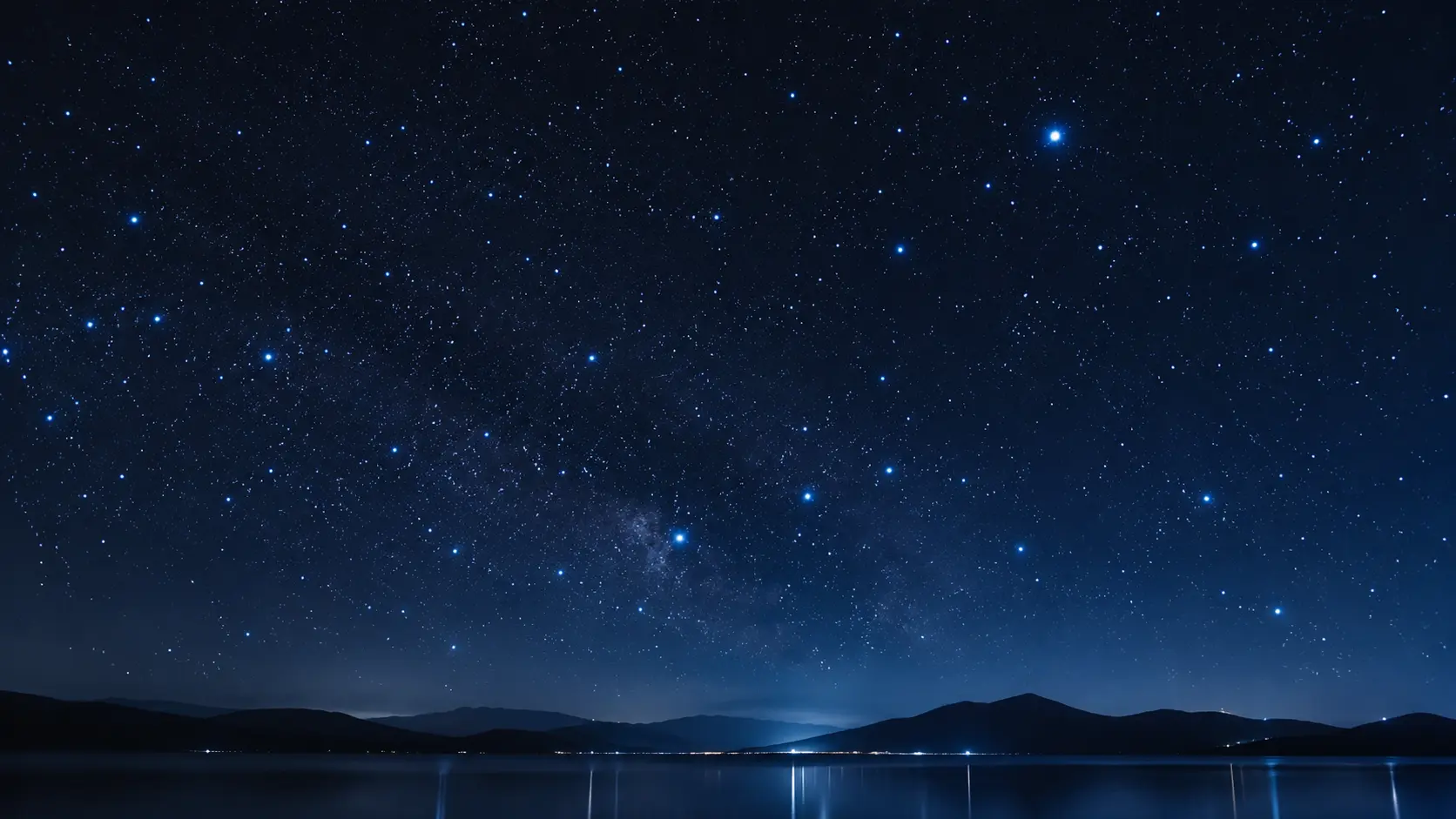
Stars do not actually flicker. Earth's atmosphere bends their light in constantly shifting ways, creating the twinkling effect. Planets do not twinkle for a specific reason.
Open article ->
Reading Paths
Pens, keys, cans, tracks, and tabs all carry tiny decisions someone made for a reason.
Follow the claims everyone repeats, then look for the stranger truth underneath.
Begin with what you can see overhead, then drift into gravity, stars, and the dark.
Continue ->Collections

131 articles
The small engineered clues hiding on desks, streets, clothes, and kitchen shelves.
Explore ->
6+ reads
The visible sky, the invisible forces, and the cosmic objects that bend intuition.
Explore ->Body guides
Reflexes, sleep, senses, cravings, and the body habits we barely notice.
Explore ->
6+ mysteries
Old myths, famous names, strange choices, and the moments that changed direction.
Explore ->
6+ explainers
The quiet machinery inside phones, batteries, networks, screens, and signals.
Explore ->
6+ concepts
Biases, incentives, decisions, and the mental traps that shape ordinary life.
Explore ->
6+ explainers
Leaves, flowers, fungi, seeds, tree behavior, and the quiet intelligence of green life.
Explore ->Explore by Topic
Weather, oceans, seasons, and the planet doing strange work in plain sight.
SpaceCosmosMoonlight, starlight, gravity, black holes, and questions too large to ignore.
PsychologyMindThe shortcuts, blind spots, and social signals that quietly steer us.
AnimalsLifeOdd instincts, survival tricks, animal senses, and pet behavior with a reason.
TechnologySystemsThe invisible rules behind Wi-Fi, batteries, screens, data, and tools.
HistoryPastPeople, myths, discoveries, and turning points that deserve a second look.
ScienceEvidenceForces, matter, energy, evidence, and the experiments behind common answers.
PlantsBotanyLeaves, flowers, trees, fungi, seeds, and the living systems rooted in plain sight.
FoodKitchenIngredients, cravings, kitchen physics, and food claims worth checking.
Featured Scientists

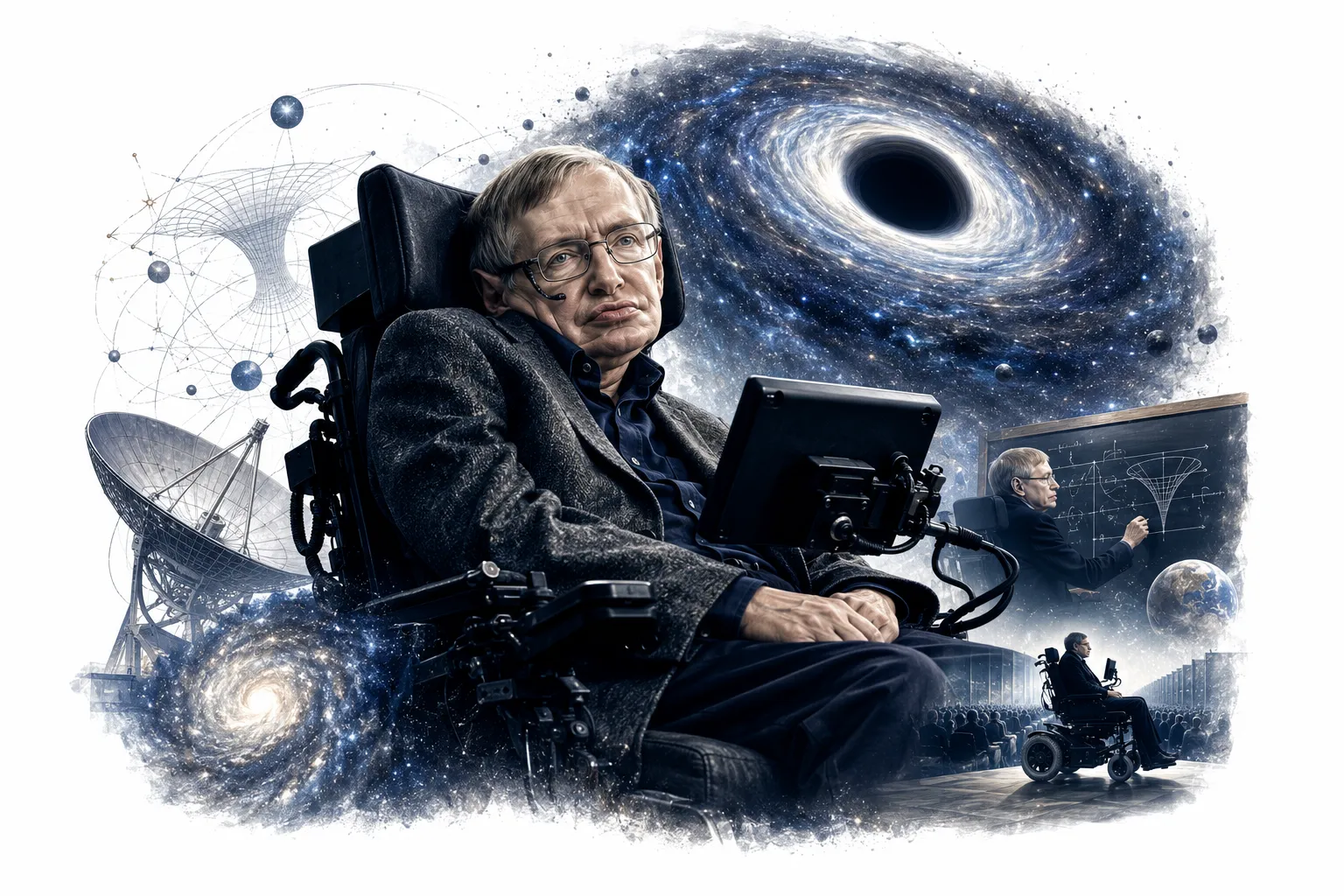
SCIENCE HISTORY
Meet the mind ->

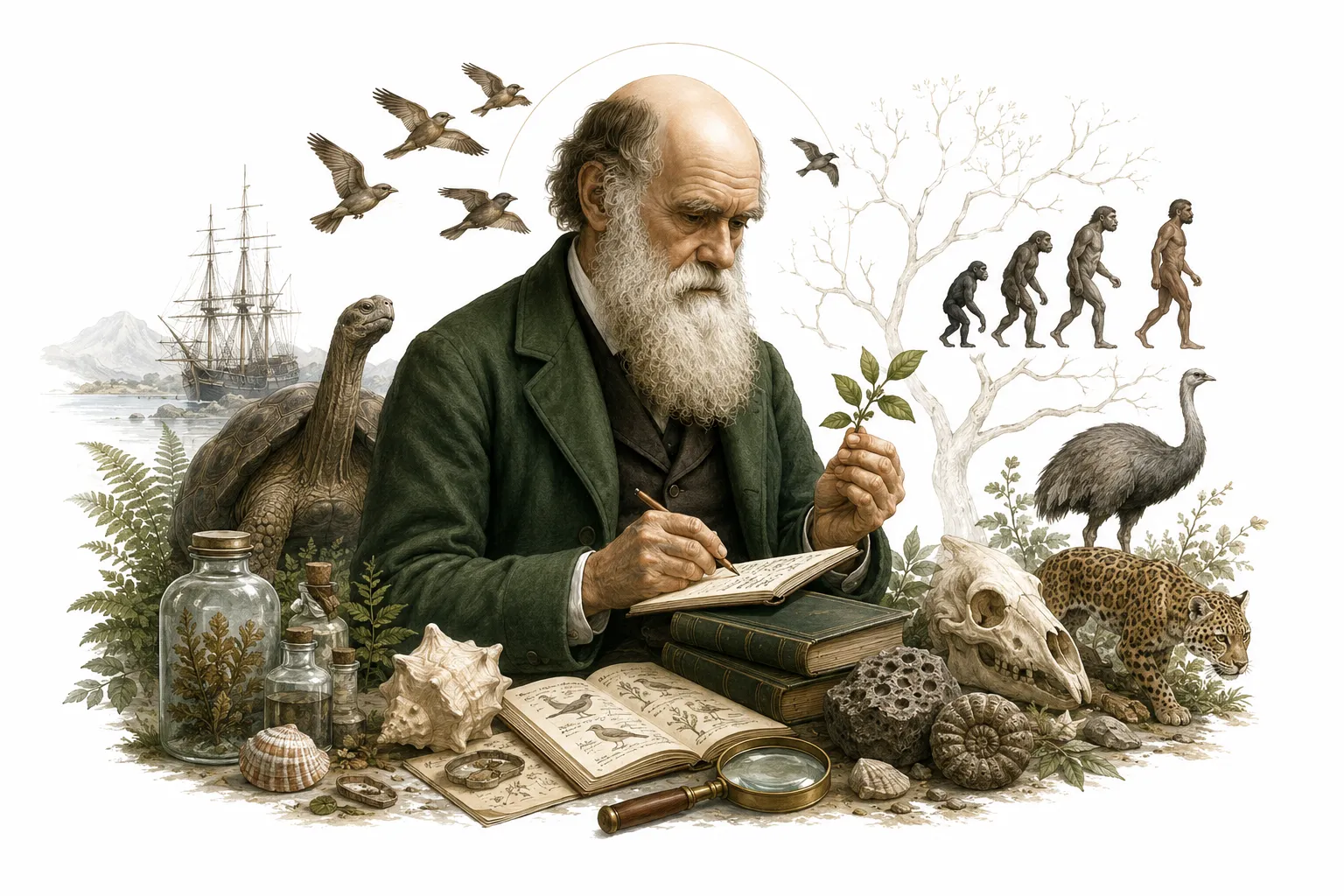
SCIENCE HISTORY
Meet the mind ->

SCIENCE HISTORY
Meet the mind ->

SCIENCE HISTORY
Meet the mind ->

SCIENCE HISTORY
Meet the mind ->

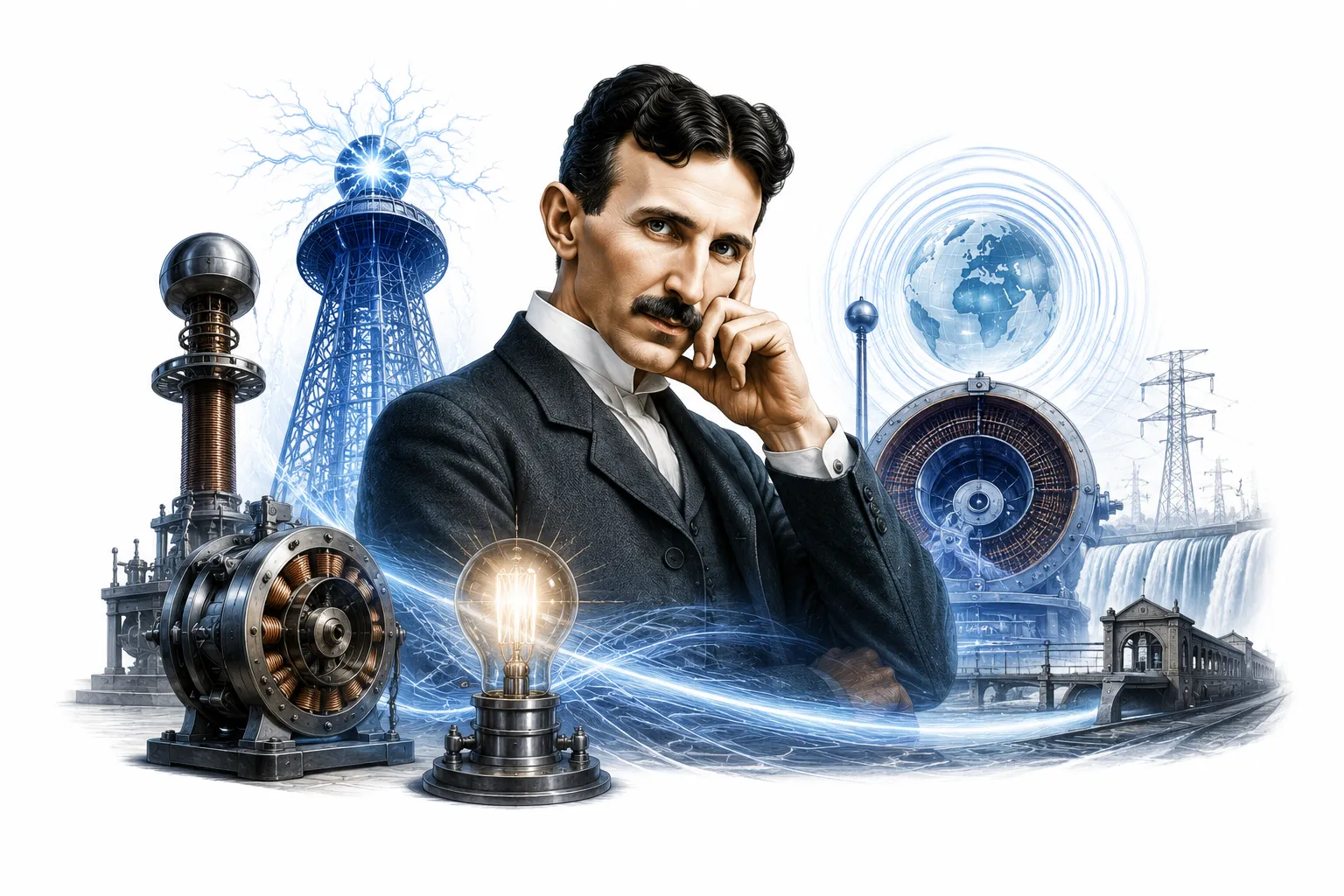
INVENTION HISTORY
Meet the mind ->
Historical Mysteries

EVERYDAY SCIENCE
Open article ->

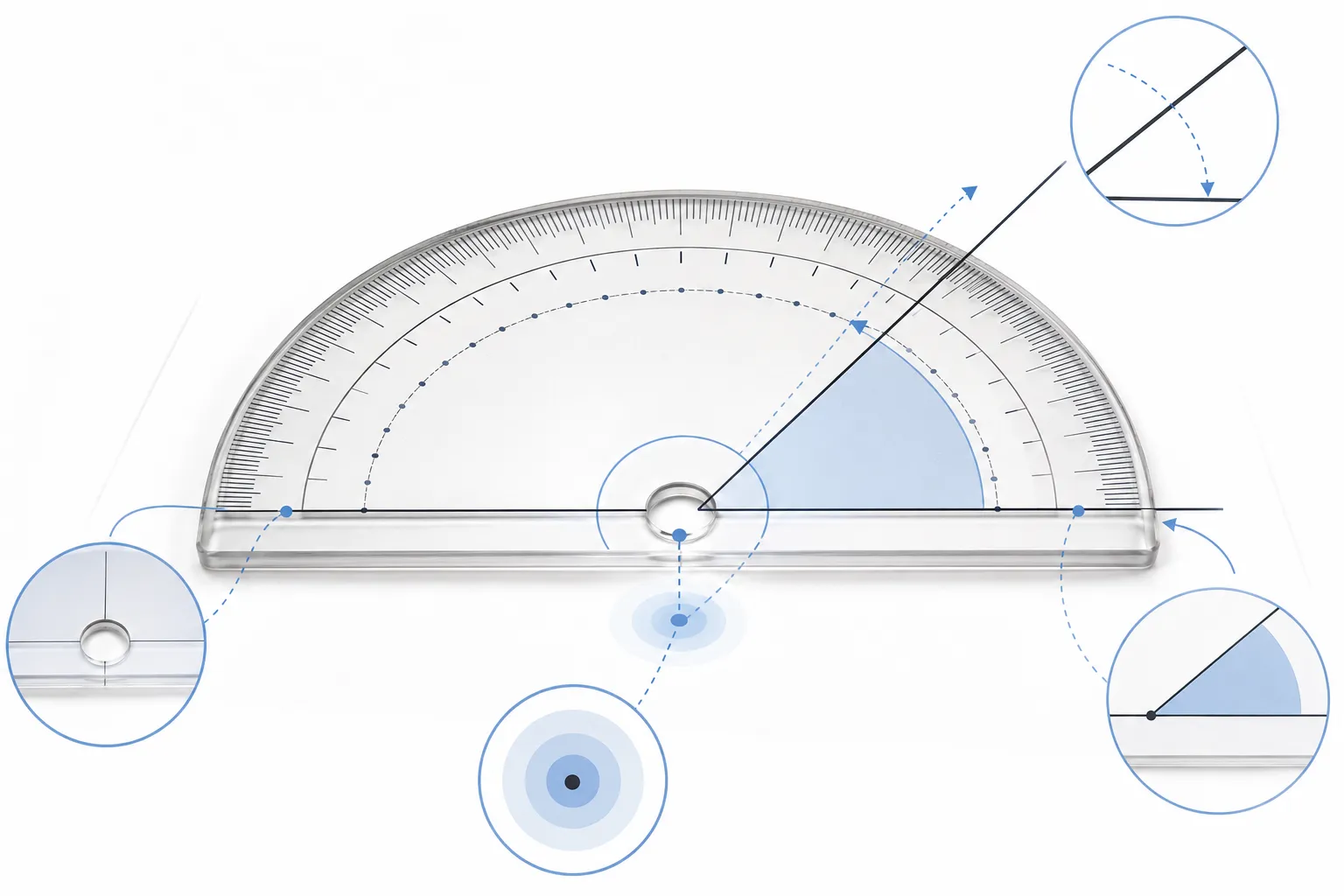
Geometric Design
Open article ->

Geometric Mechanics
Open article ->

Consumer Electronics
Open article ->
Biomechanics
Open article ->

Design History
Open article ->
Everyday Objects

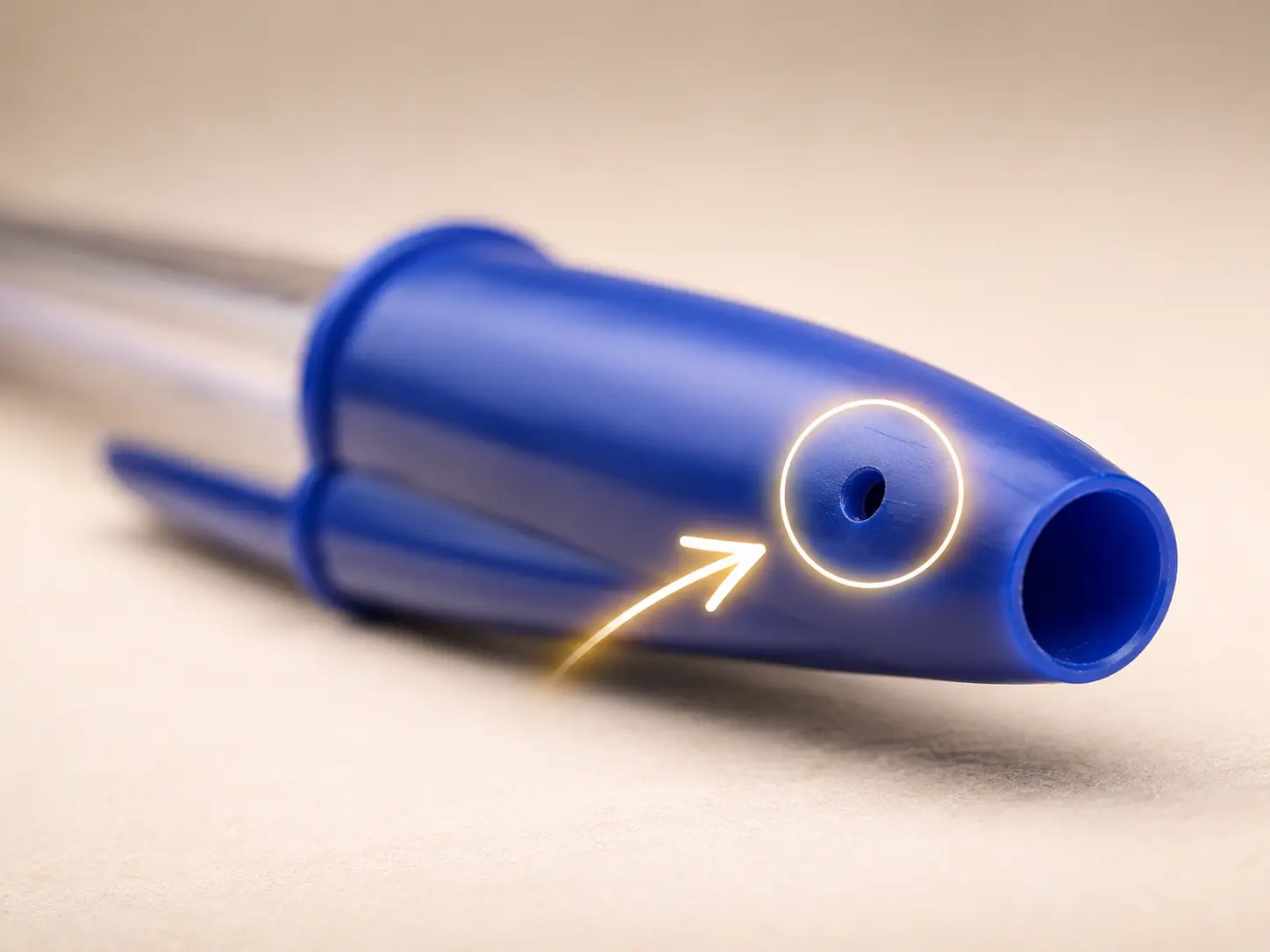
You noticed the tiny hole
Pen caps have holes mainly for safety. If a cap blocks someone’s airway, the hole may allow limited airflow and reduce the chance of complete blockage.
Inspect detail ->

You noticed the little bumps
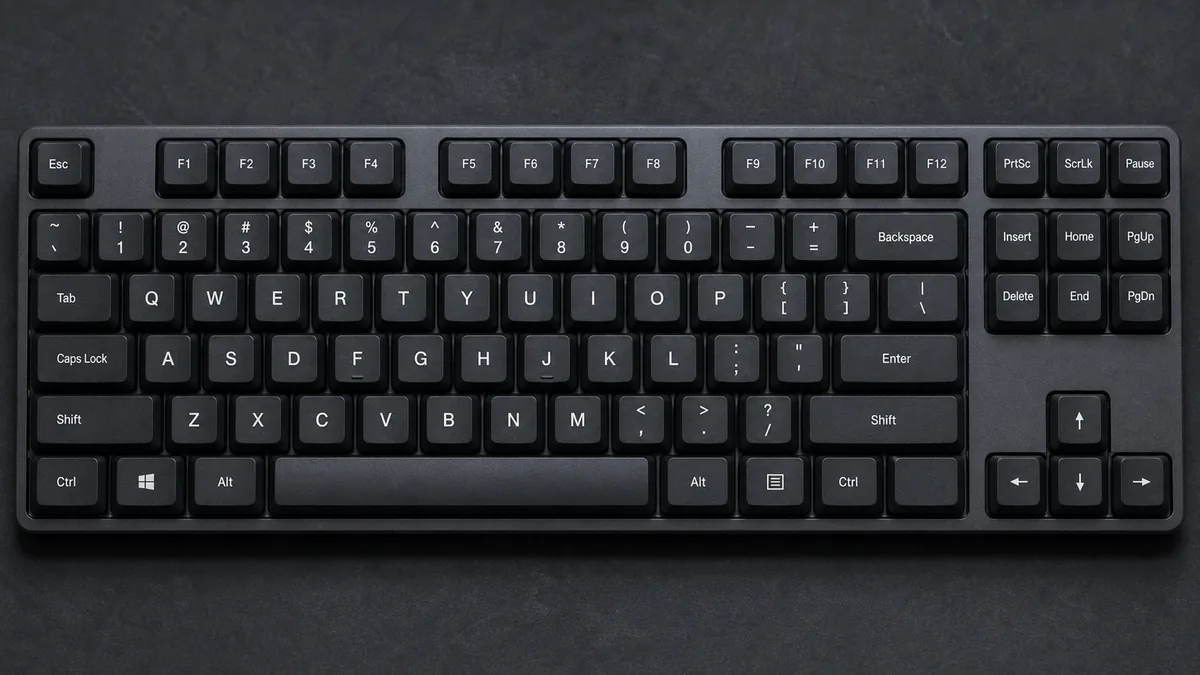
The tiny bumps on F and J are tactile guides. They help your index fingers find home row without looking down at the keyboard.
Inspect detail ->

You noticed the can tab
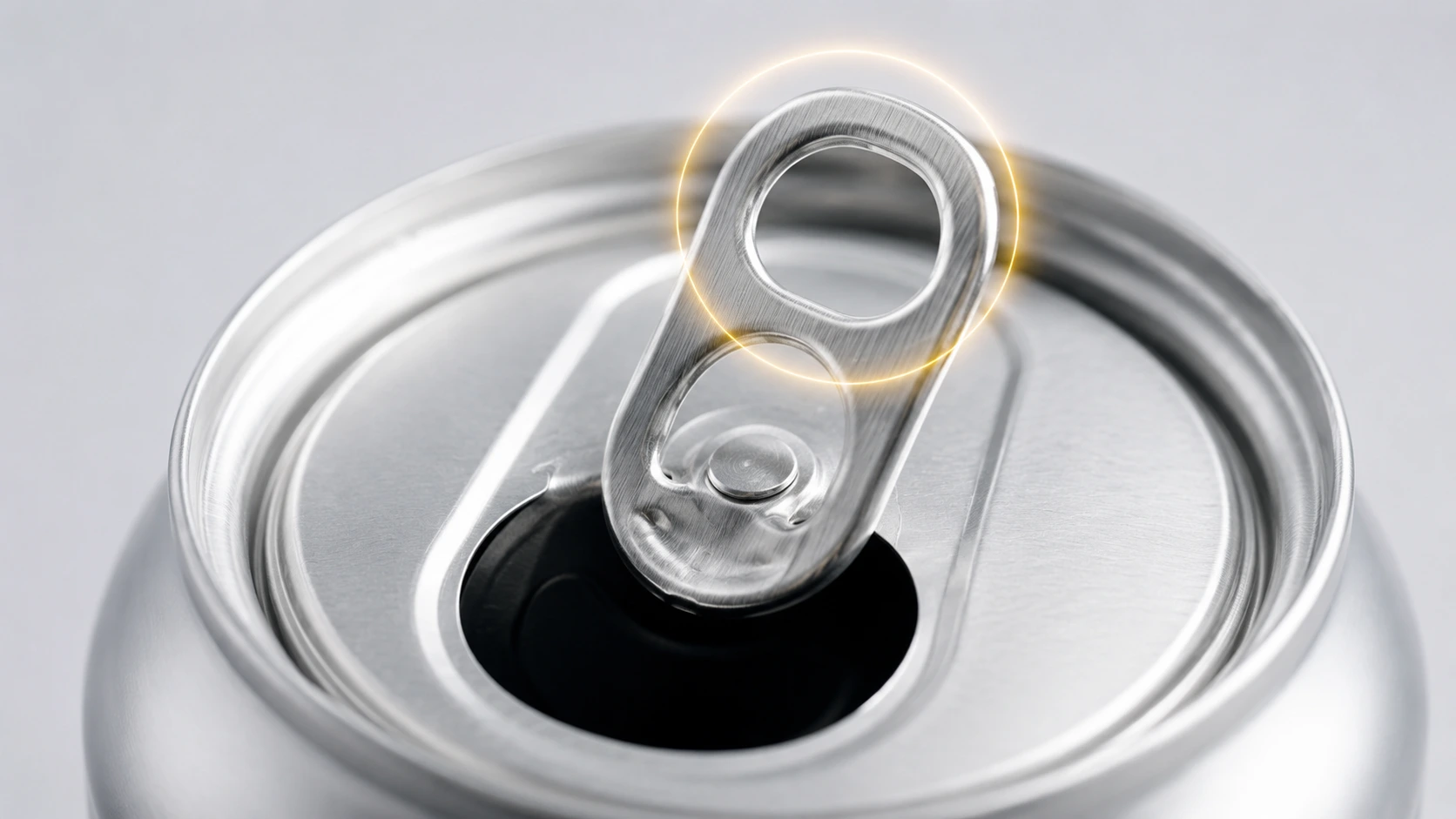
Soda can tabs have holes so your finger can grip the tab, the tab can work as a lever, and less metal is needed. The hole can also hold a straw after opening.
Inspect detail ->

Everyday Objects
The stones under train tracks are called ballast. They lock the track in position, drain water away, distribute the enormous weight of trains, and absorb vibration.
Inspect detail ->

Everyday Objects
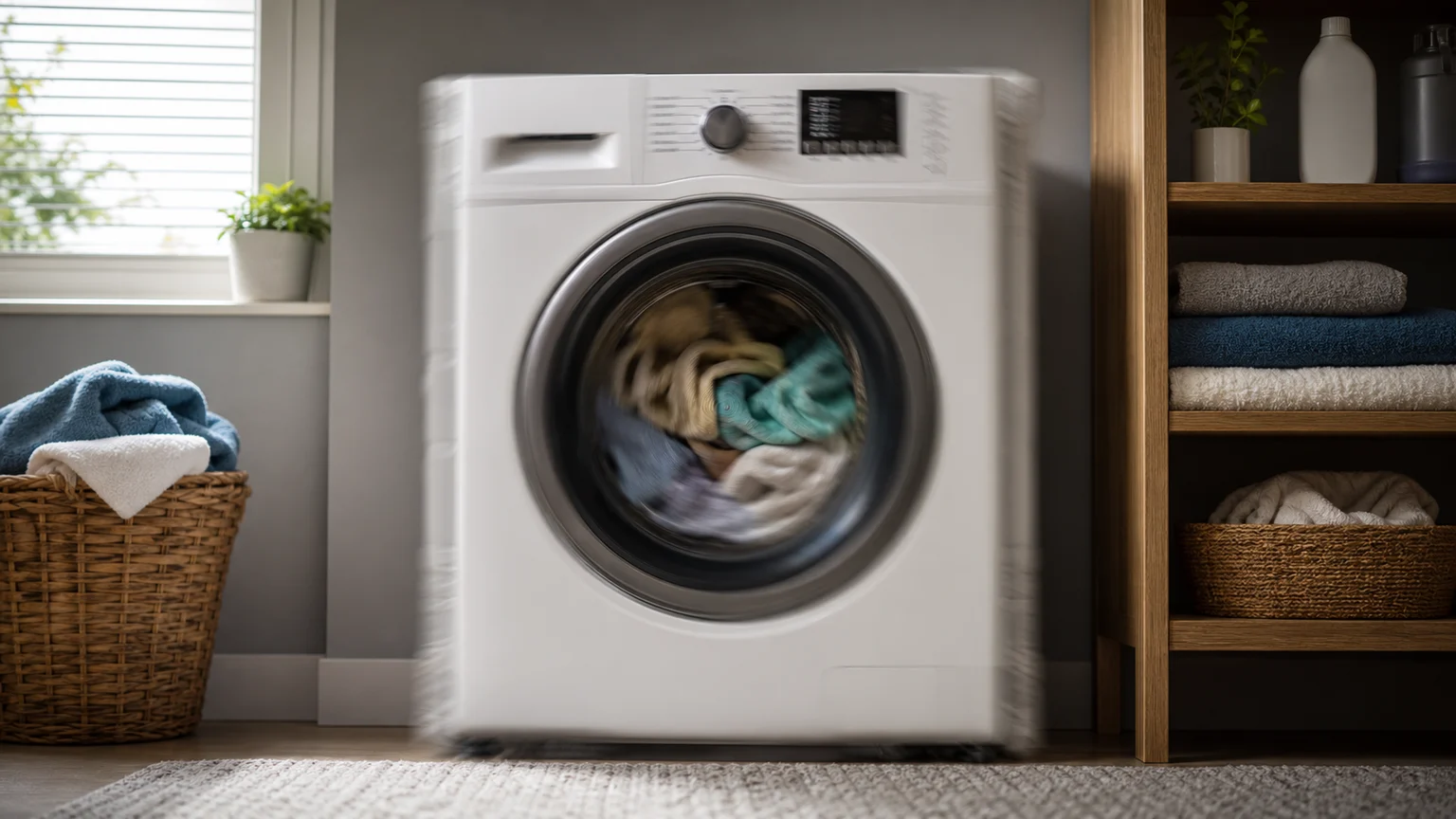
Washing machines shake because wet laundry clumps unevenly inside the drum during spinning. This imbalance causes the drum to wobble and vibrate at high speed, transferring movement to the machine's body.
Inspect detail ->

History & Design
A design marriage that was considered obvious once, controversial before that, and is now entirely taken for granted.
Inspect detail ->
Space

Where gravity wins completely
A black hole is a region of space where gravity is so strong that nothing, not even light, can escape. Here is what they are, how they form, and what falling into one would actually involve.
Open article ->

Space & Atmosphere
Stars do not actually flicker. Earth's atmosphere bends their light in constantly shifting ways, creating the twinkling effect. Planets do not twinkle for a specific reason.
Open article ->

Space & Cosmology
If the universe is full of stars, the sky should be blindingly bright. The reason it is dark has to do with the age and expansion of the universe itself.
Open article ->

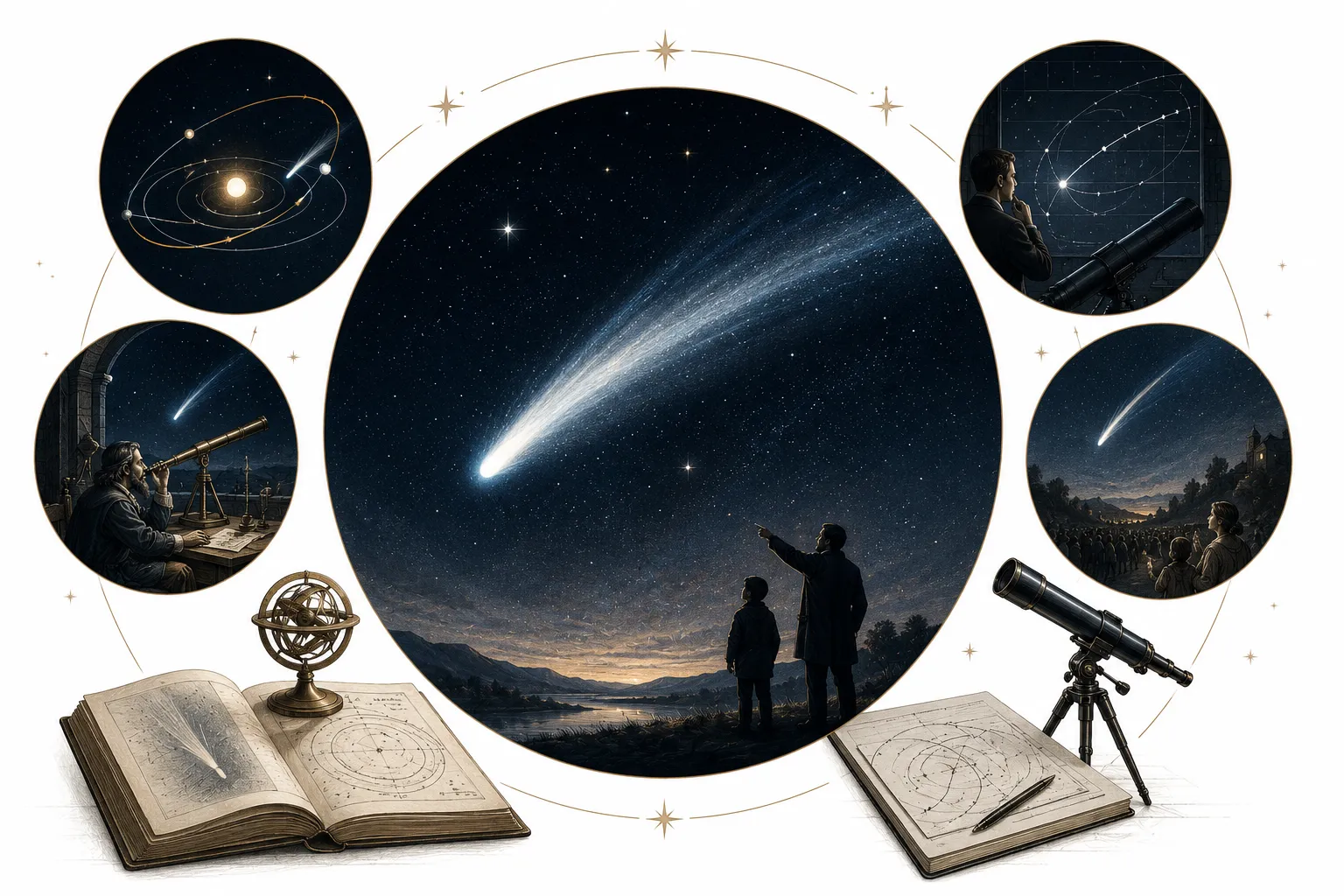
ASTRONOMY
Open article ->

Body & Senses
Your ears pop because the air pressure outside changes faster than the pressure inside your middle ear can equalize. Here is what is happening and how to fix it.
Open article ->

Space & Atmosphere
Sunsets are red because sunlight travels through far more atmosphere at a low angle, scattering away blue light and leaving only red and orange to reach your eyes.
Open article ->
Animals

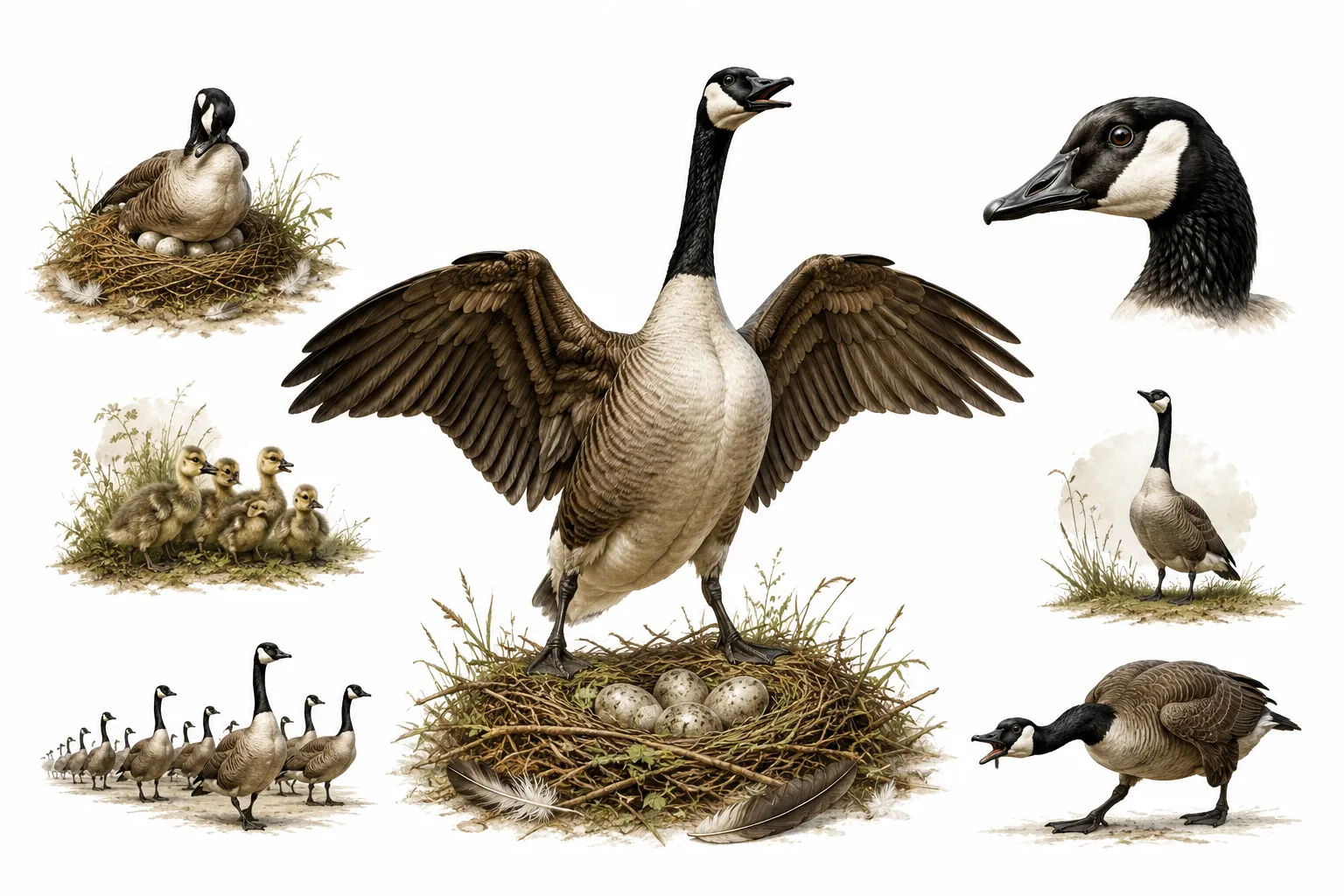
ANIMAL BEHAVIOR
Open article ->

Body & Immune System
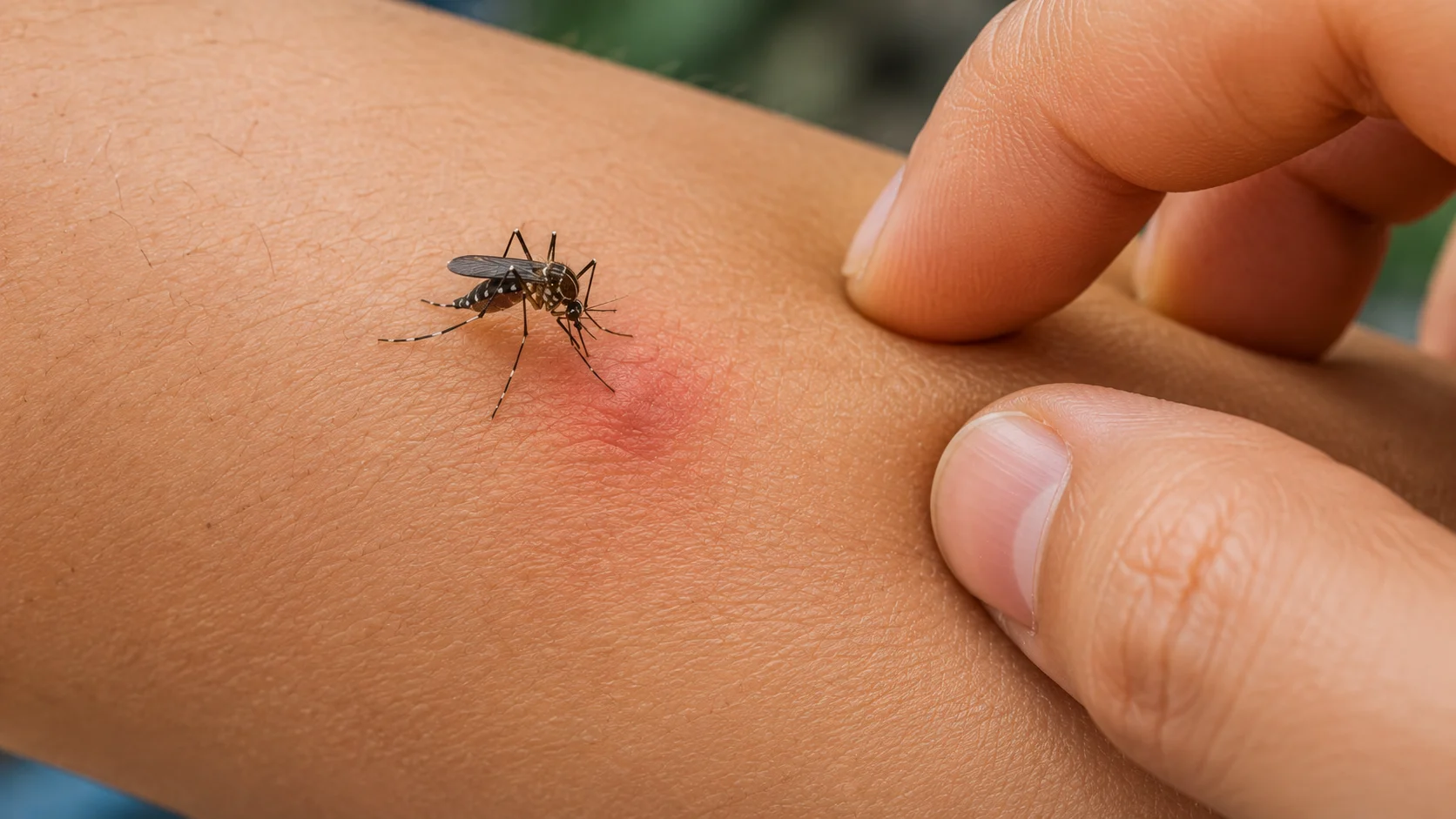
The itch is not from the bite itself. It comes from your own immune system reacting to mosquito saliva. Here is what is actually happening under your skin.
Open article ->

Biology & Physiology
The urge to stretch after sleep is called pandiculation. It reactivates muscles, restores circulation, and recalibrates the nervous system after hours of immobility.
Open article ->

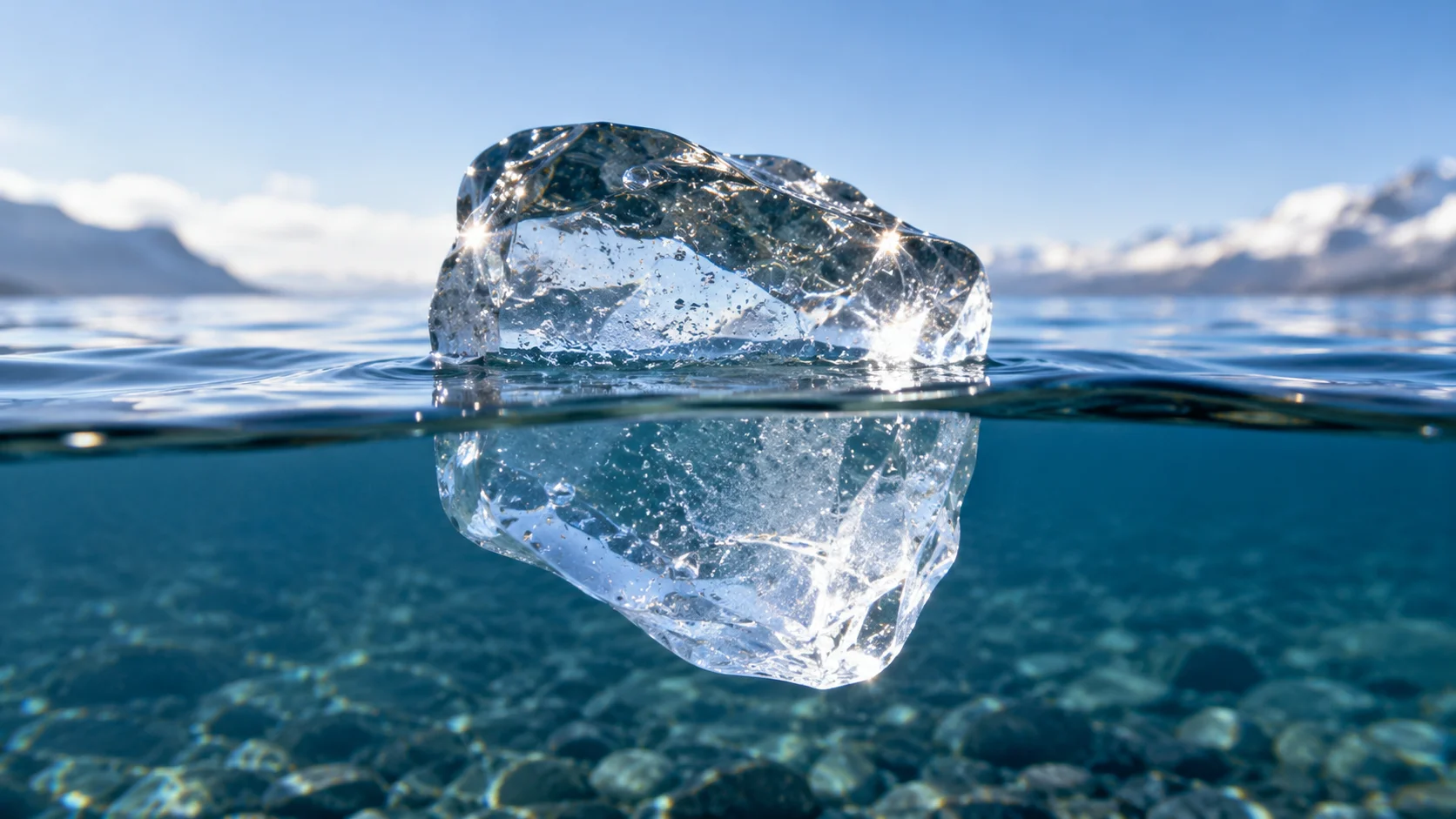
Chemistry & Nature
Ice floats because it is less dense than liquid water. Water molecules form a rigid hexagonal lattice when frozen, taking up more space than in liquid form.
Open article ->

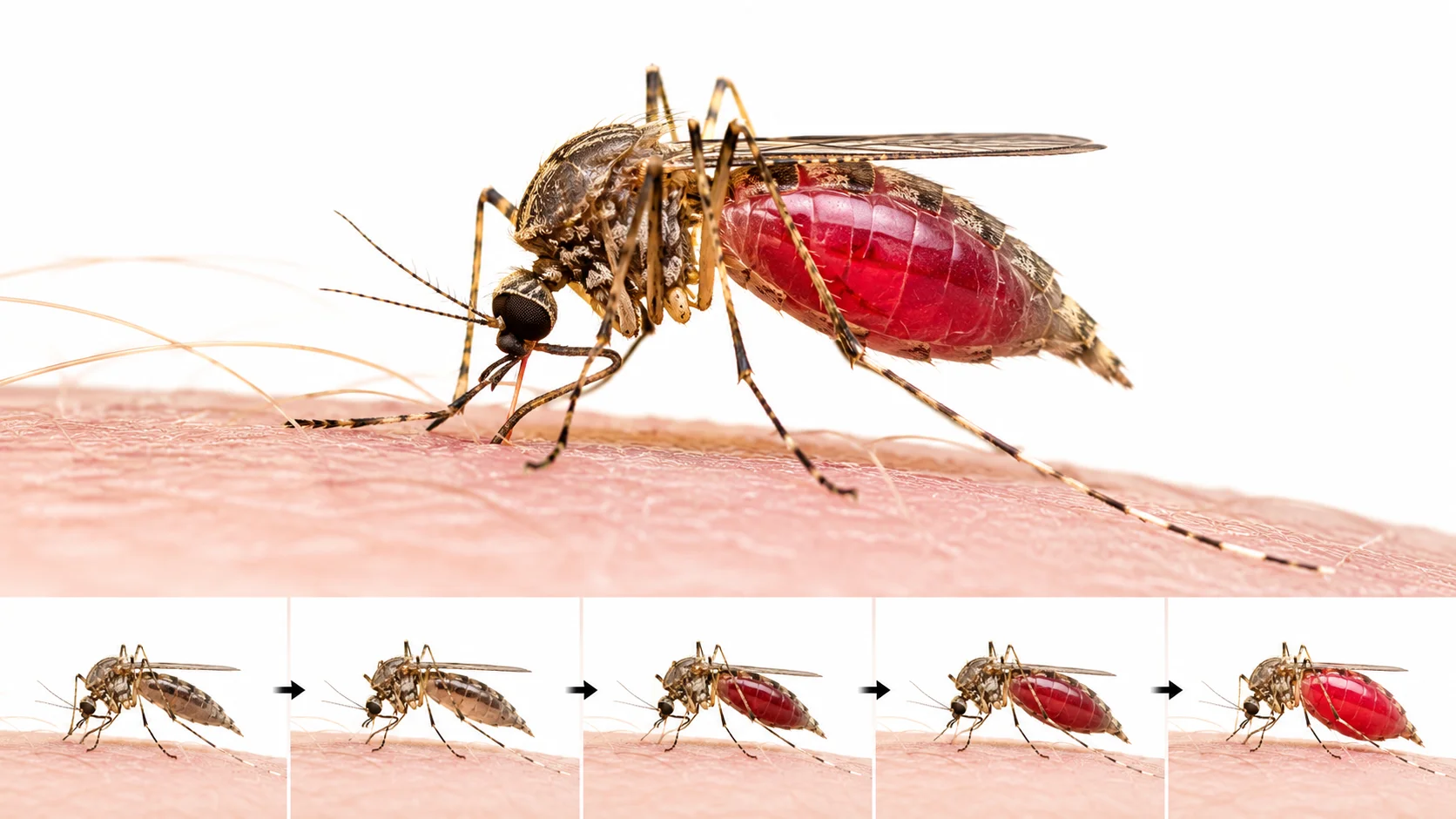
Blood
Only female mosquitoes bite, and they are not hungry. They need blood to make eggs.
Open article ->

Animal Behavior
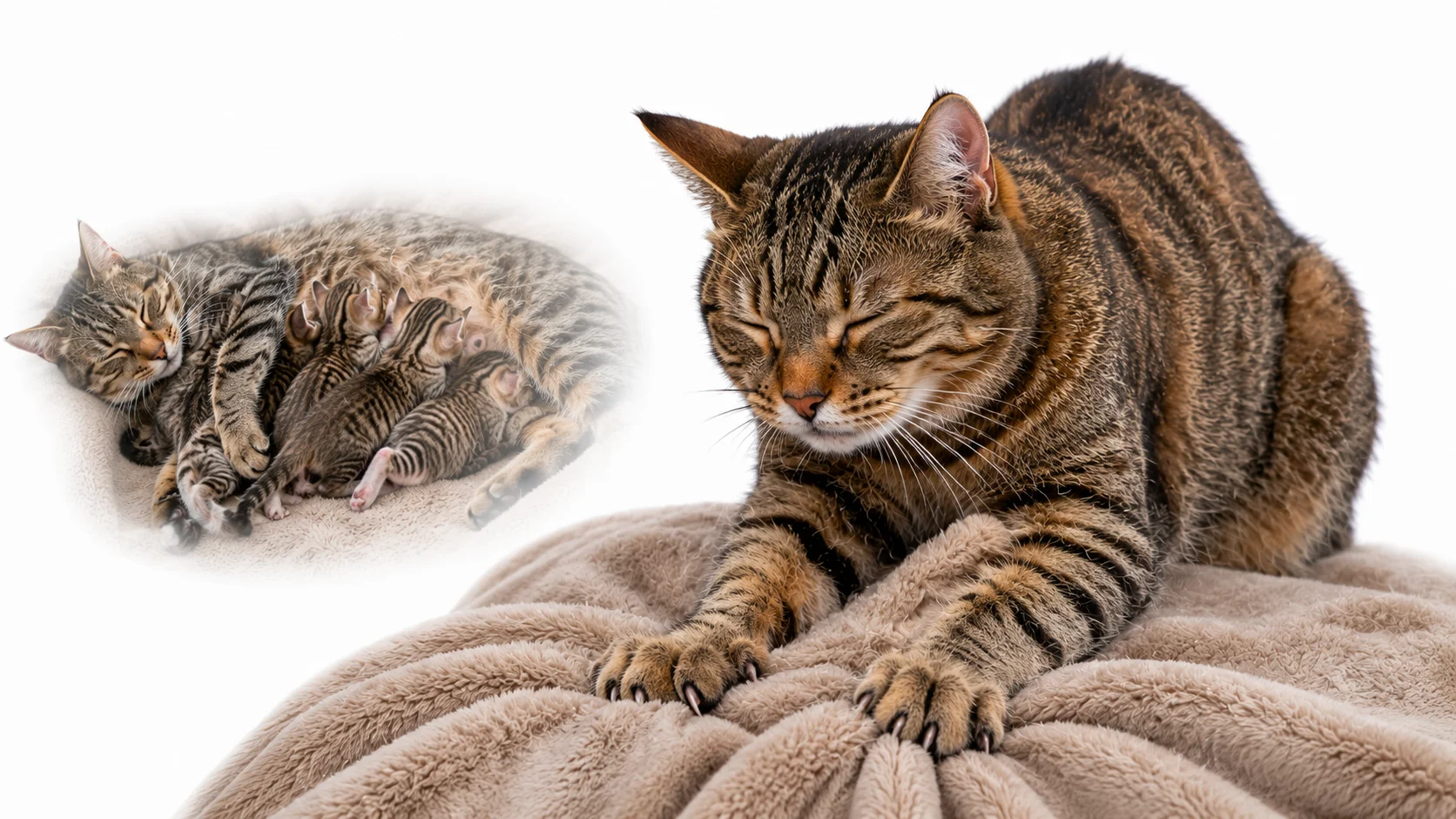
Cats knead because of an instinct that begins in kittenhood. It is part comfort, part memory, and part scent marking.
Open article ->
Plants

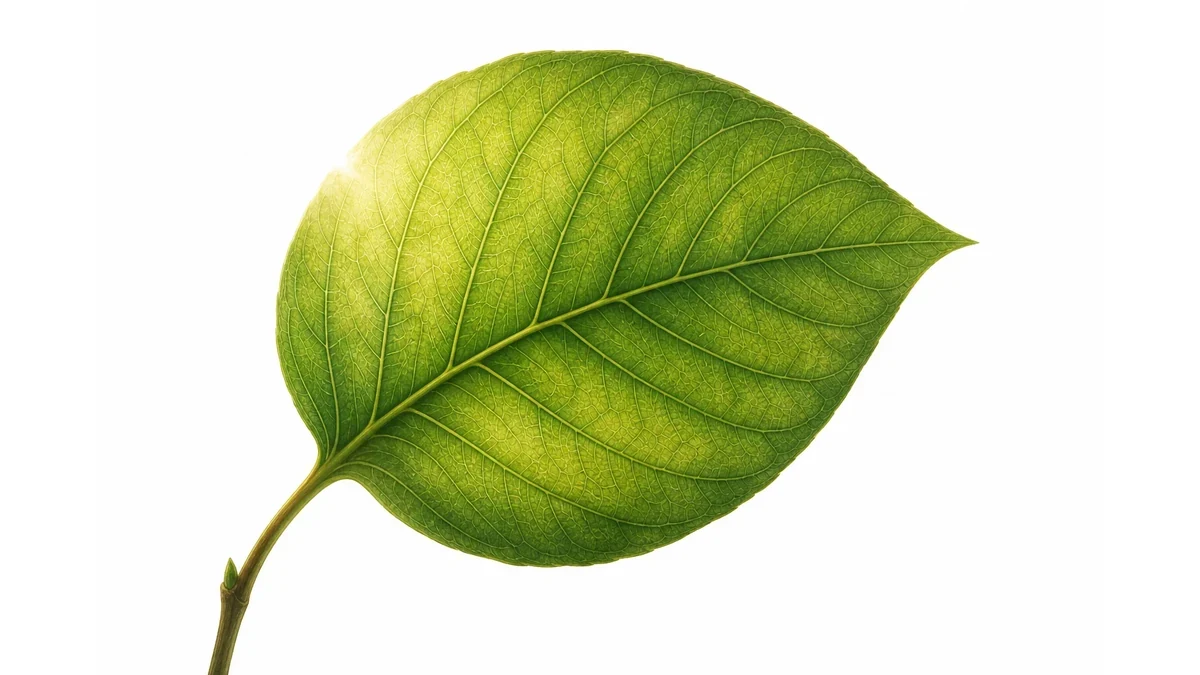
BOTANY
Open article ->

BOTANY
Open article ->

BOTANY
Open article ->

BOTANY
Open article ->

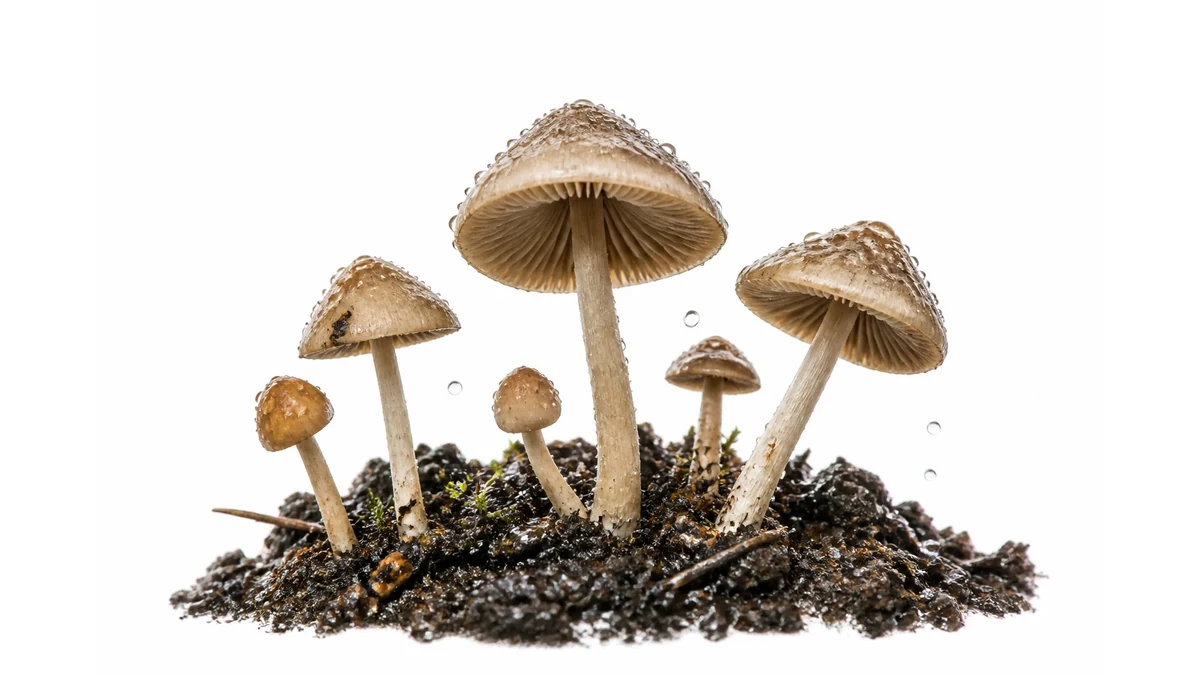
MYCOLOGY
Open article ->

BOTANY
Open article ->
Technology

Consumer Electronics
Open article ->

Technology
Airplane mode exists because mobile phones transmitting signals can potentially interfere with an aircraft's navigation and communication systems, and turning off those transmissions eliminates the risk.
Open article ->

Technology
Keyboards use QWERTY layout because it was designed for mechanical typewriters in the 1870s to reduce jamming, and the arrangement stuck even after the mechanical limitations disappeared.
Open article ->

Psychology
People check their phones repeatedly because unpredictable rewards like notifications trigger the brain's dopamine system, creating a habit loop similar to other reward-seeking behaviours.
Open article ->

TECHNOLOGY EXPLAINED
Open article ->

It is radio waves, not magic
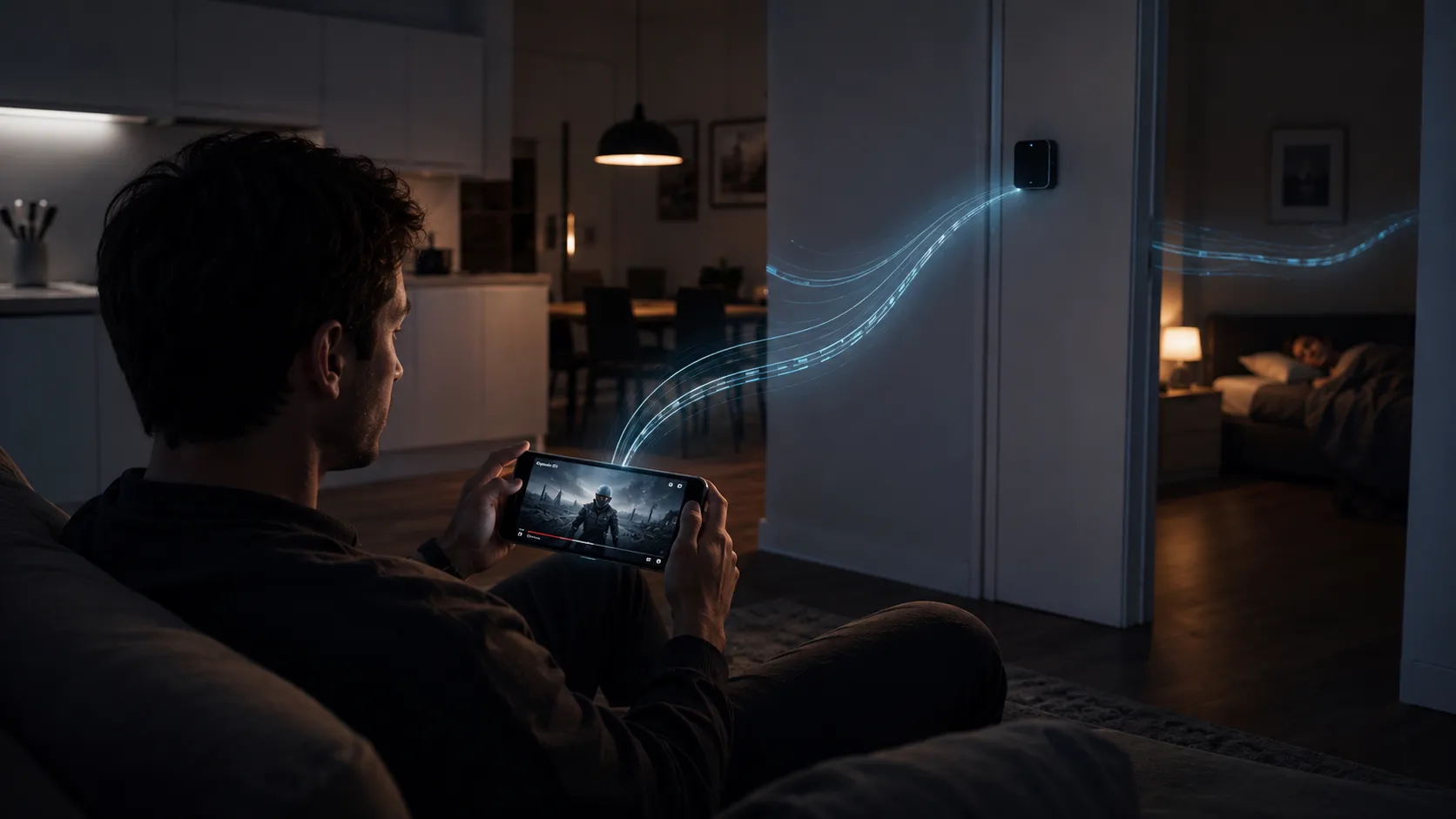
WiFi works by sending data as radio waves between your router and your device. Here is how that actually works without any wires involved.
Open article ->
Did You Know?
Popular This Week

Nature & Physics
Snow is white because millions of tiny ice crystals scatter all wavelengths of light equally in every direction. Your eyes receive the full spectrum at once, which looks white.
Open article ->

Chemistry & Nature
Ice floats because it is less dense than liquid water. Water molecules form a rigid hexagonal lattice when frozen, taking up more space than in liquid form.
Open article ->

Earth & Oceans
The ocean is salty because rivers continuously wash dissolved minerals from rocks into the sea, while evaporation removes water but leaves the salt behind.
Open article ->

Earth & Space
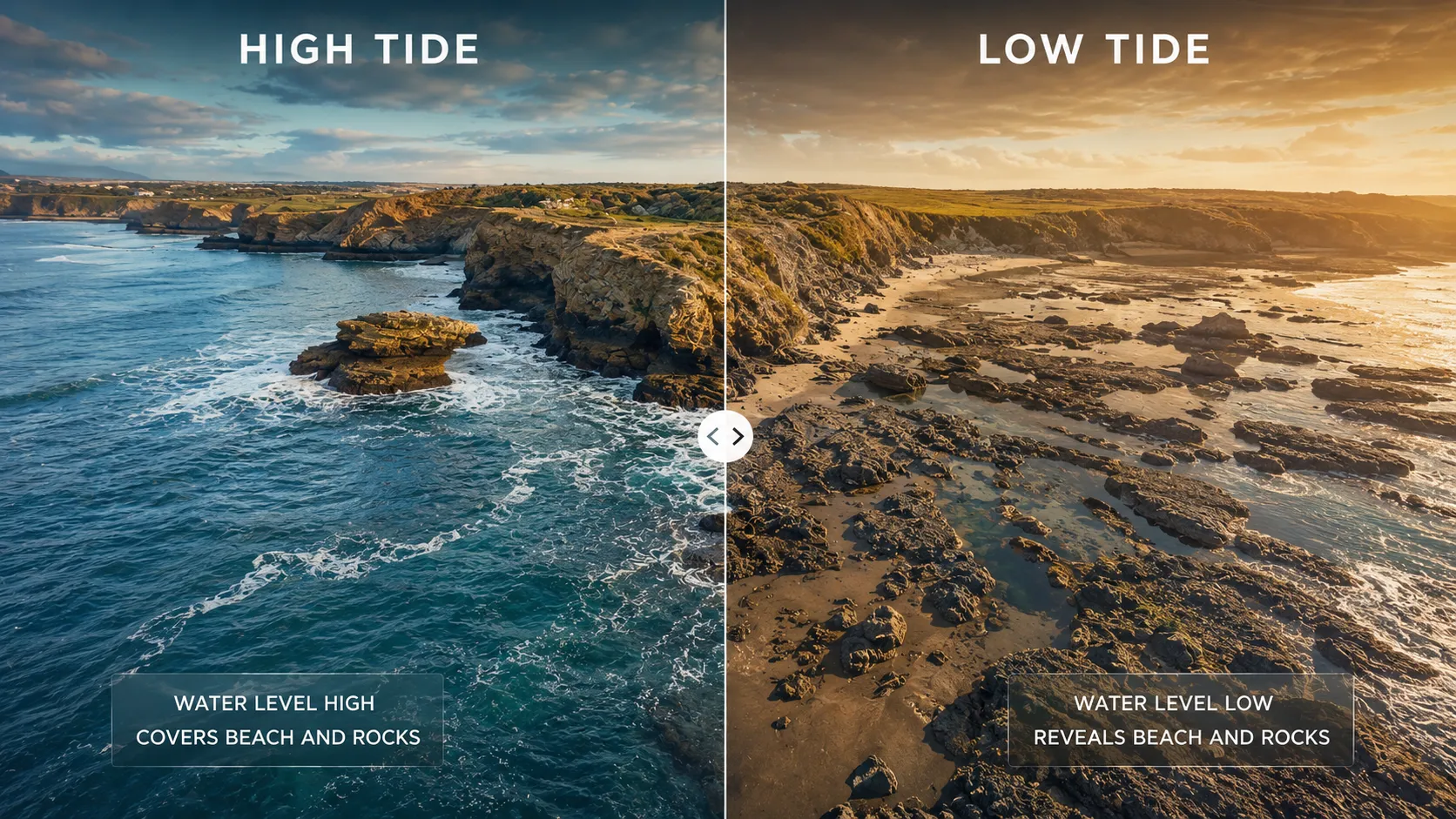
Tides happen because the moon's gravity pulls on Earth's oceans unevenly, creating two tidal bulges that coastlines rotate through each day.
Open article ->

Nature & Biology
Leaves change color because trees break down green chlorophyll in autumn, revealing yellow and orange pigments and sometimes producing red pigments.
Open article ->

Weather & Physics
Lightning happens when electrical charges separate inside storm clouds and the voltage difference becomes large enough to discharge as a massive spark.
Open article ->
New This Week

EVERYDAY SCIENCE
Open article ->

EVERYDAY SCIENCE
Open article ->

EVERYDAY SCIENCE
Open article ->

EVERYDAY SCIENCE
Open article ->

EVERYDAY SCIENCE
Open article ->

EVERYDAY PHYSICS
Open article ->
What Happens If

Body & Brain
Sleep deprivation is not merely exhaustion. It is a systematic attack on every major system in your body.
See scenario ->

Body & Brain
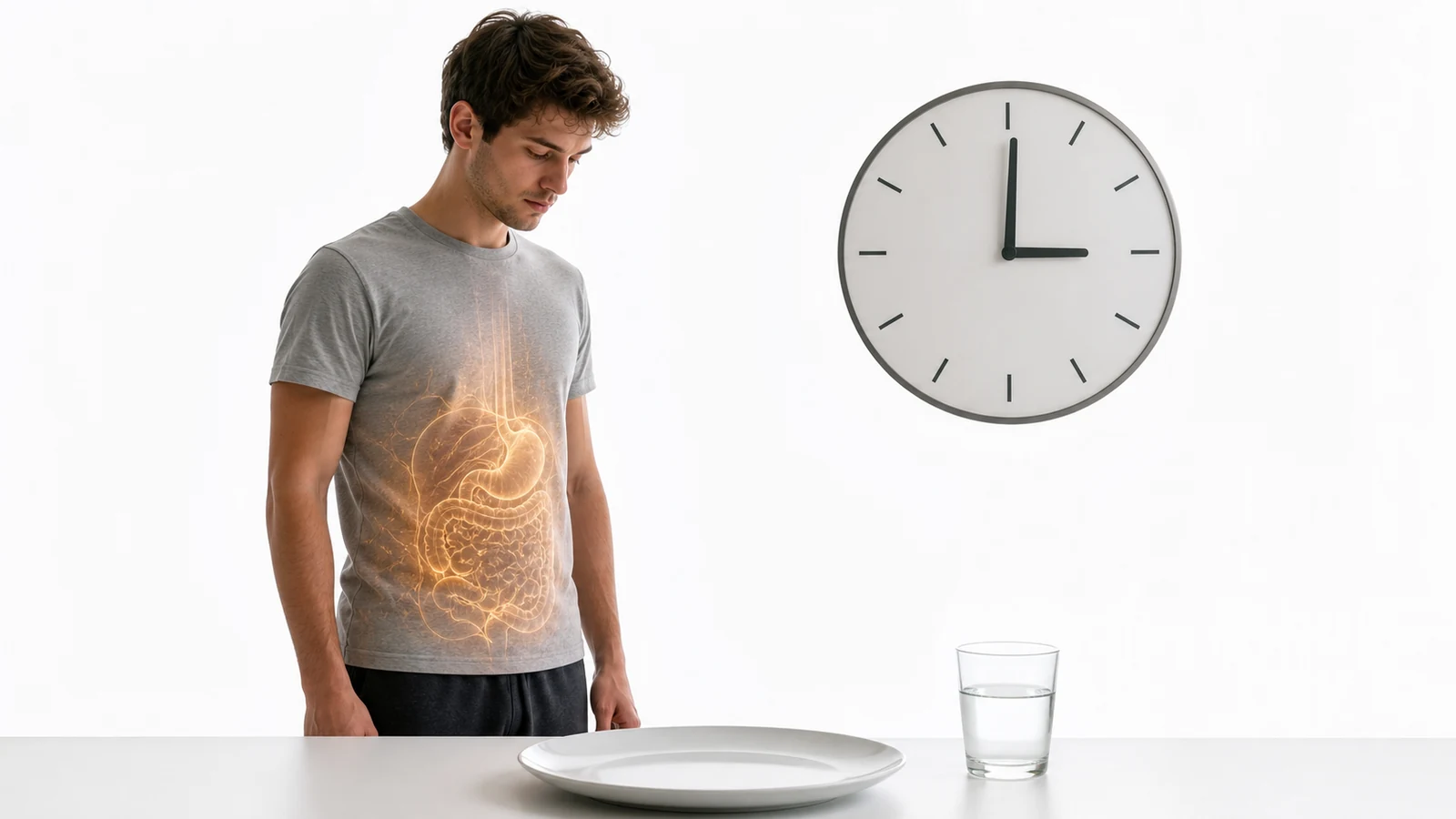
Your body has a remarkably sophisticated emergency plan. It starts within hours of your last meal.
See scenario ->

Body & Brain
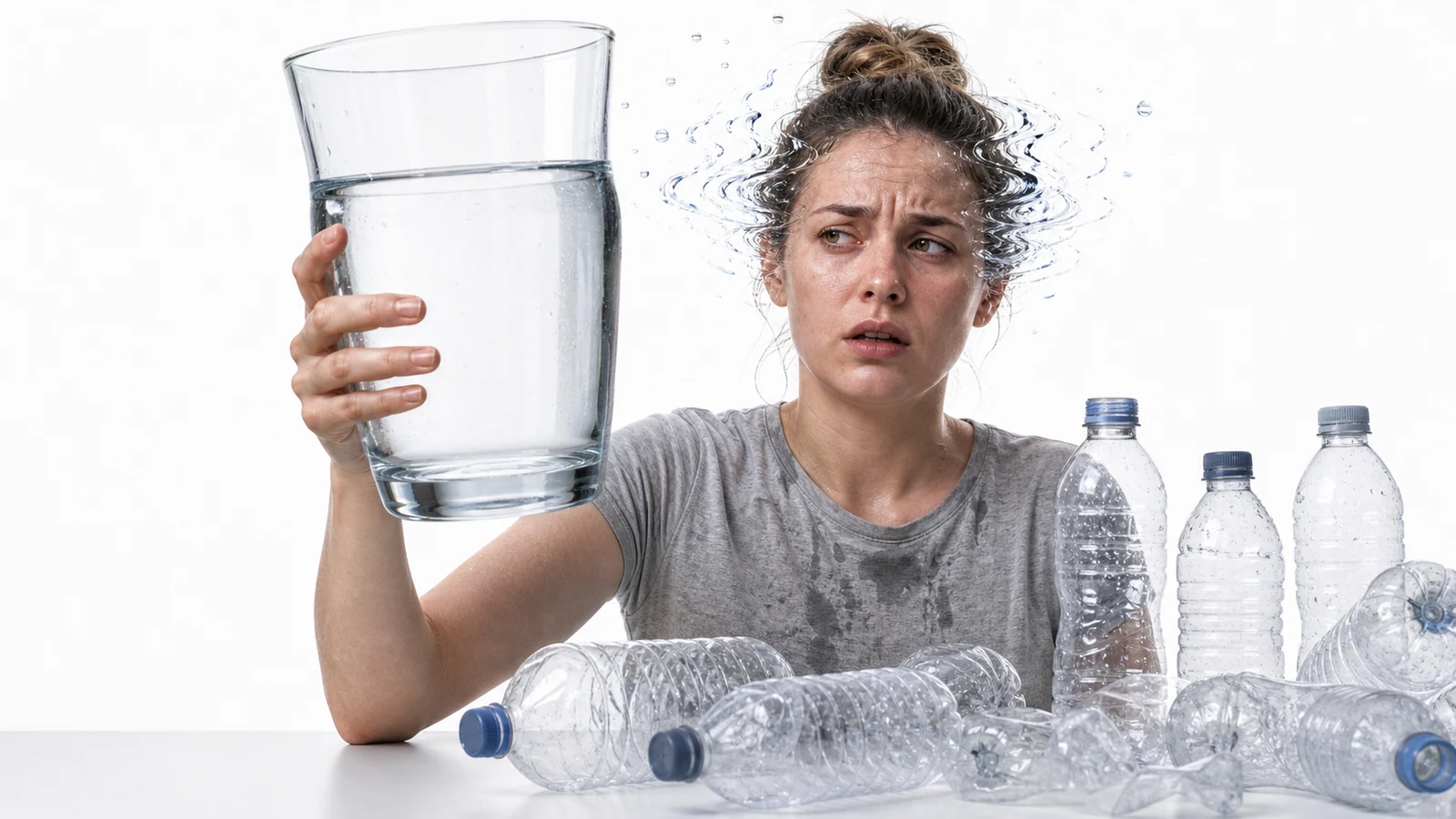
Yes, you can drink too much water. And the result is stranger and more dangerous than you'd expect.
See scenario ->

Body & Brain
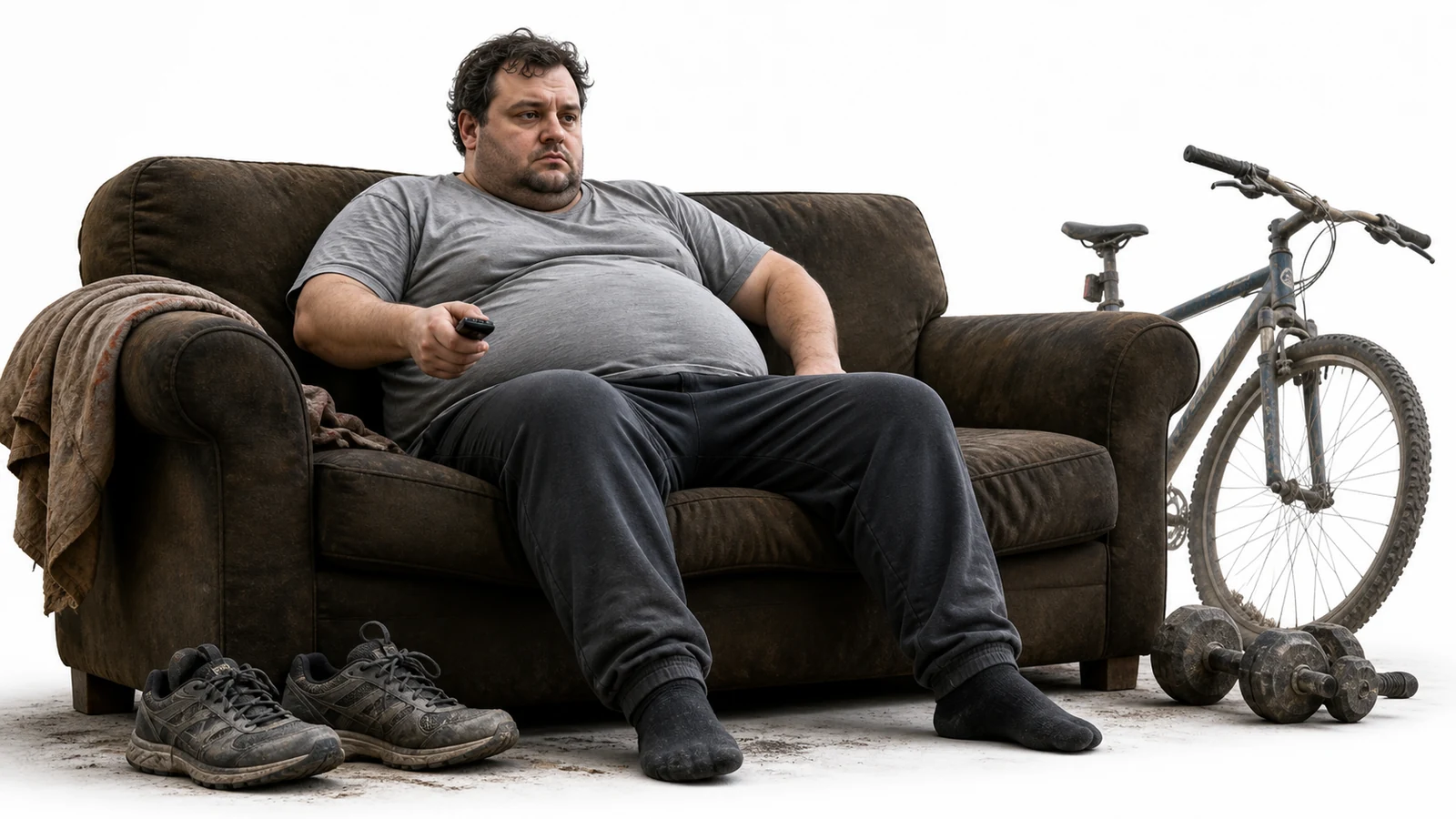
The human body was built for movement. What happens when it never moves is a long, slow process that accelerates in surprising ways.
See scenario ->

Body & Brain
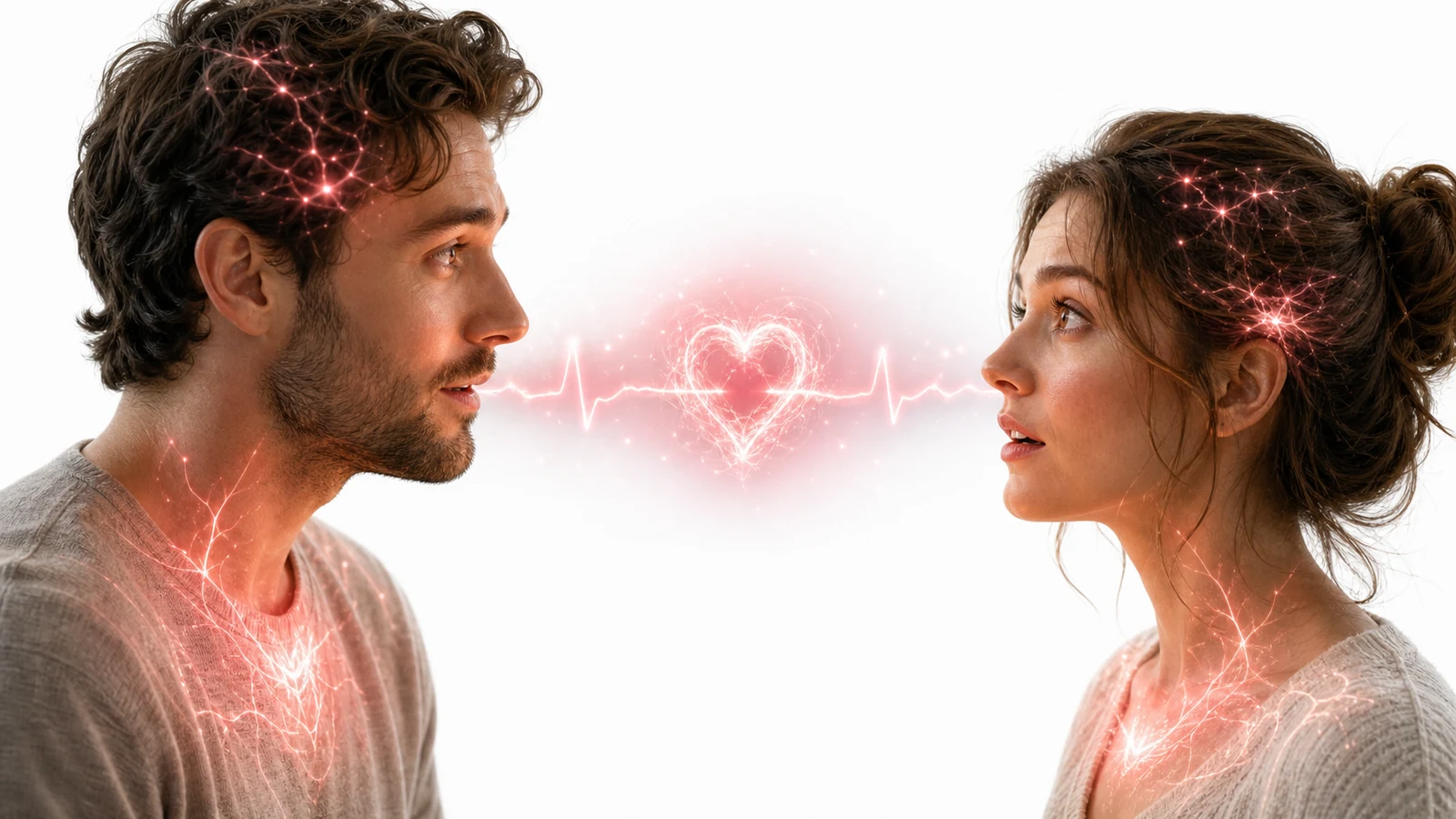
Love is not a feeling. It's a neurochemical state. And it's disturbingly similar to mental illness.
See scenario ->

Body & Brain
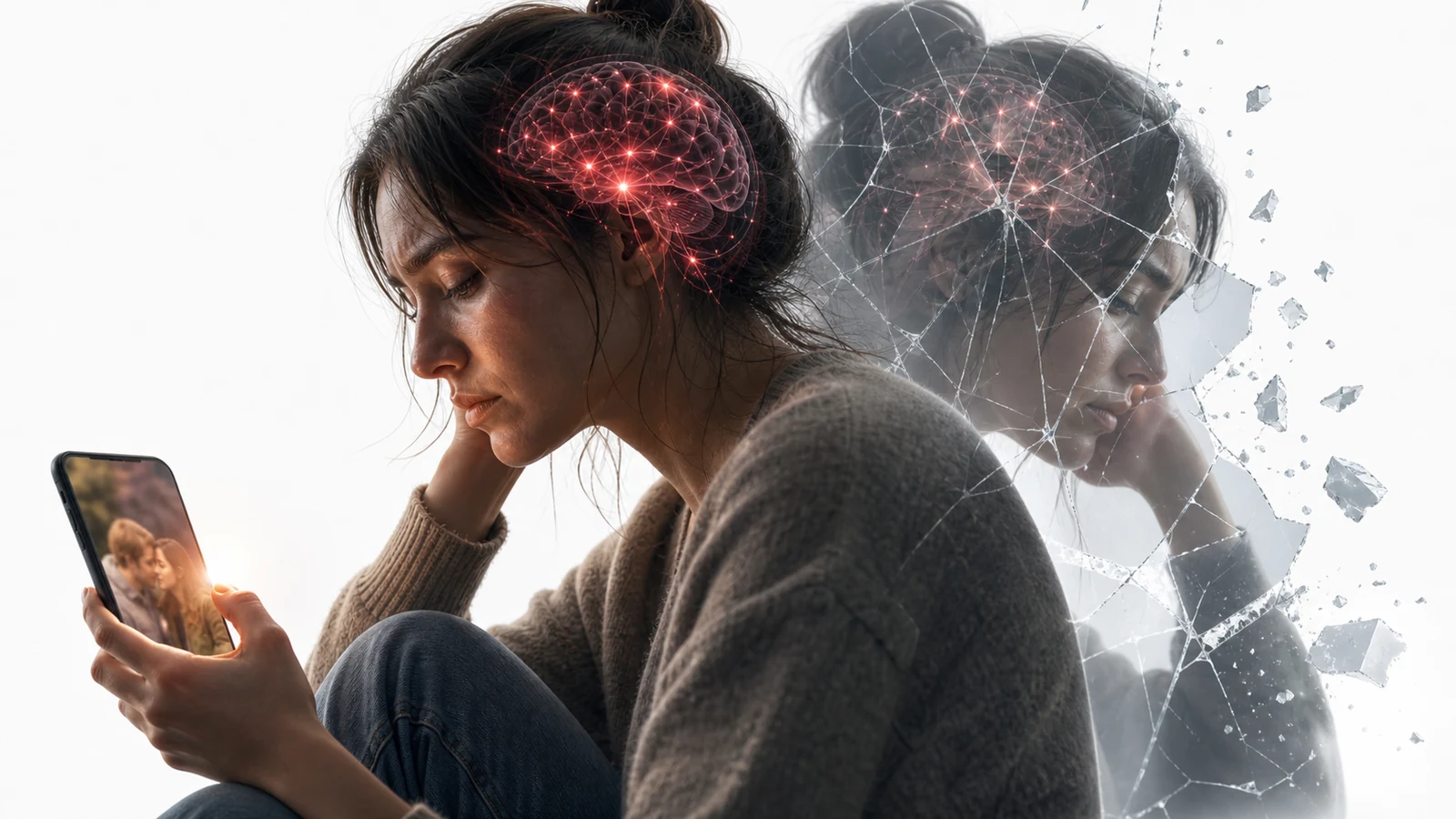
A breakup is not an emotional event that affects the brain. It is a brain event that produces emotional consequences.
See scenario ->
Concepts

MENTAL MODEL
The Pareto Principle, also called the 80/20 rule, states that roughly 80% of effects come from 20% of causes. Vilfredo Pareto discovered this pattern in 1896 when he found that 80% of Italy's land was owned by 20% of the population. The principle has since been observed in business, economics, productivity, relationships, and countless other domains. It is not a law of nature, but a powerful heuristic for focusing on what matters most.
Open concept ->

MENTAL MODEL
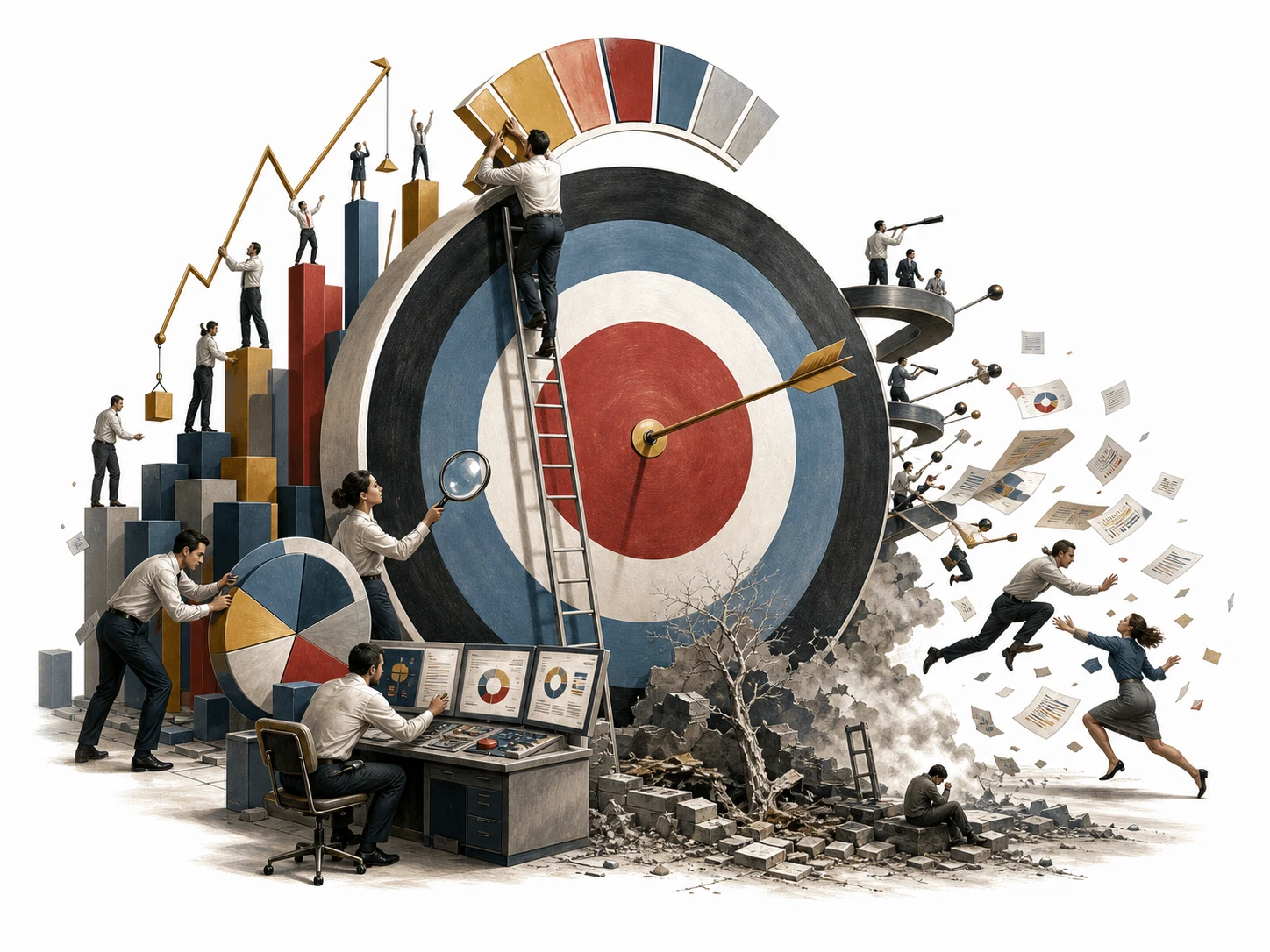
Goodhart's Law, named after British economist Charles Goodhart, states that once a measure becomes a target, it ceases to be a useful measure. People optimize for the metric rather than the underlying goal. This leads to distortion, gaming, and unintended consequences. The law explains why performance metrics often backfire and why data-driven decision making is harder than it looks.
Open concept ->

COGNITIVE BIAS
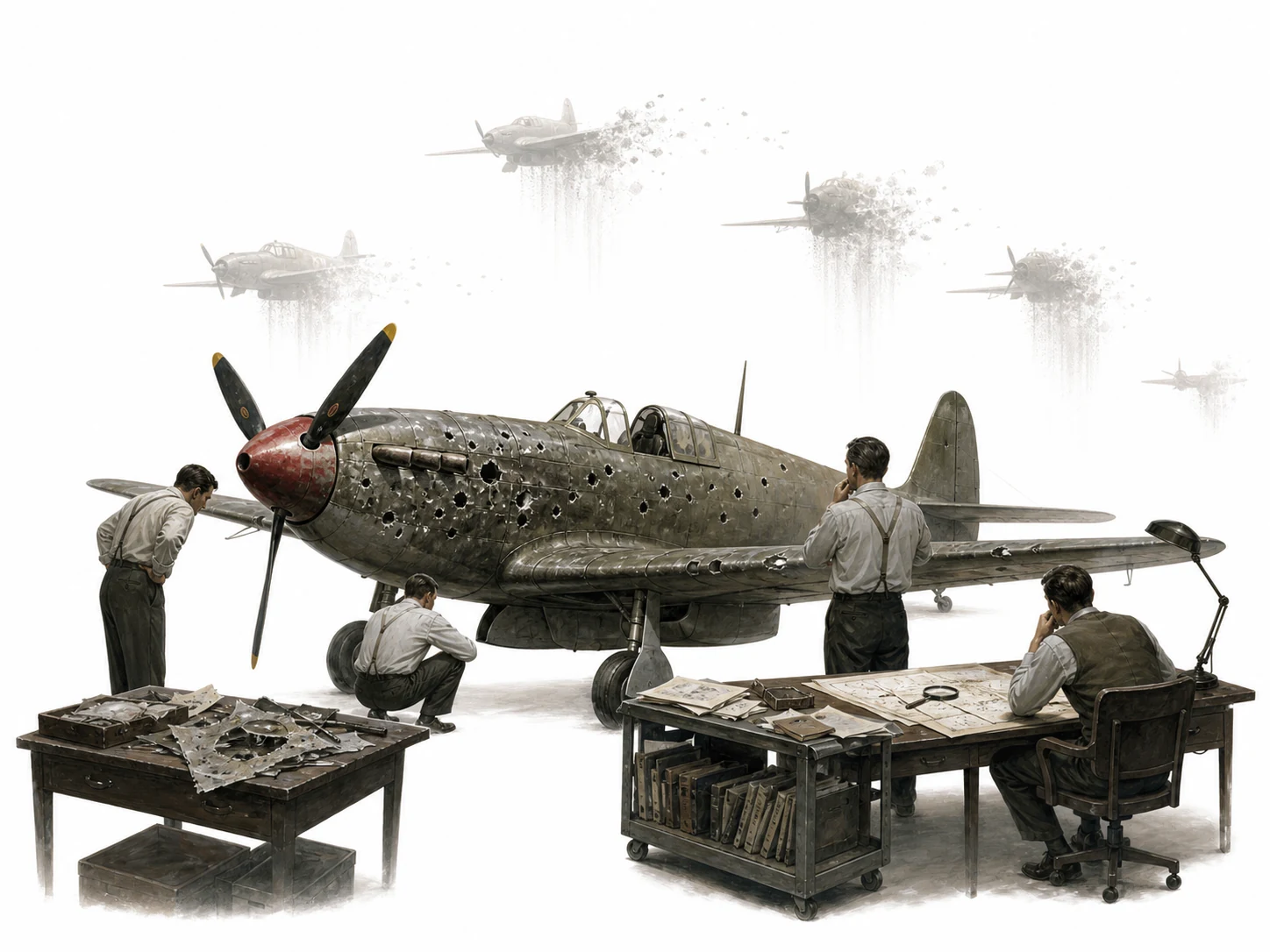
Survivorship bias is the logical error of focusing on the people or things that 'survived' a selection process while overlooking those that did not. This creates a distorted view of success because failures are invisible. The classic example is World War II planes: the military wanted to reinforce the areas with bullet holes. A statistician named Abraham Wald pointed out that they should reinforce the areas without bullet holes, because planes hit there never came back.
Open concept ->

COGNITIVE BIAS
The Dunning-Kruger Effect is a cognitive bias in which people with low competence in a particular domain overestimate their ability. Psychologists David Dunning and Justin Kruger discovered this in 1999. They found that the same skills needed to perform well are also needed to judge performance well. Without those skills, people cannot recognize their own incompetence. This is why beginners often think they know more than experts, and why true expertise usually comes with doubt.
Open concept ->

MENTAL MODEL
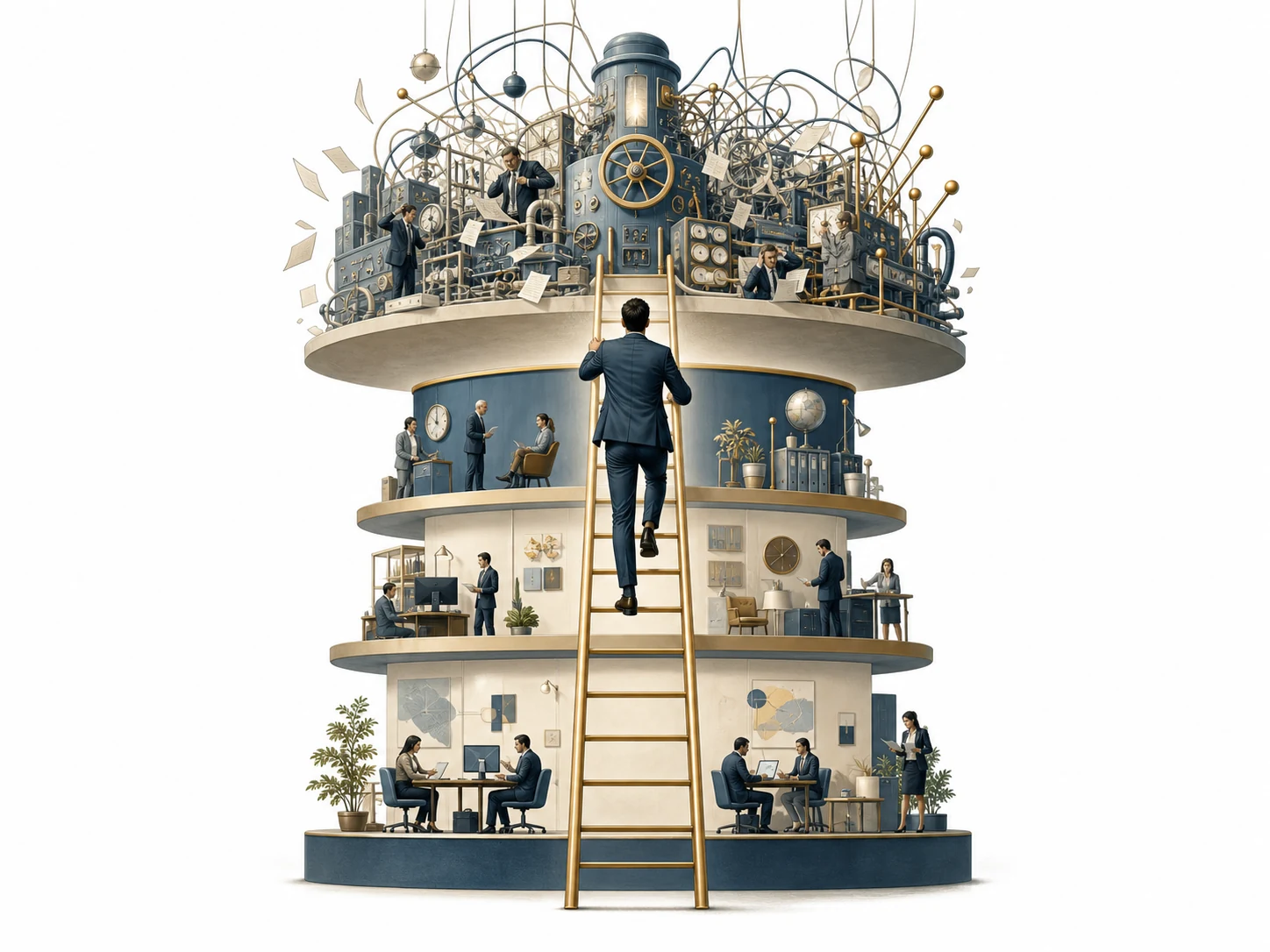
The Peter Principle, formulated by Dr. Laurence J. Peter in 1969, states that employees in a hierarchy are promoted until they reach a position where they are incompetent. People are promoted based on their performance in their current role, not their ability in the next role. Once they reach a position where they cannot perform, they stay there. This is why many managers are incompetent: they were good at something else.
Open concept ->

MENTAL MODEL
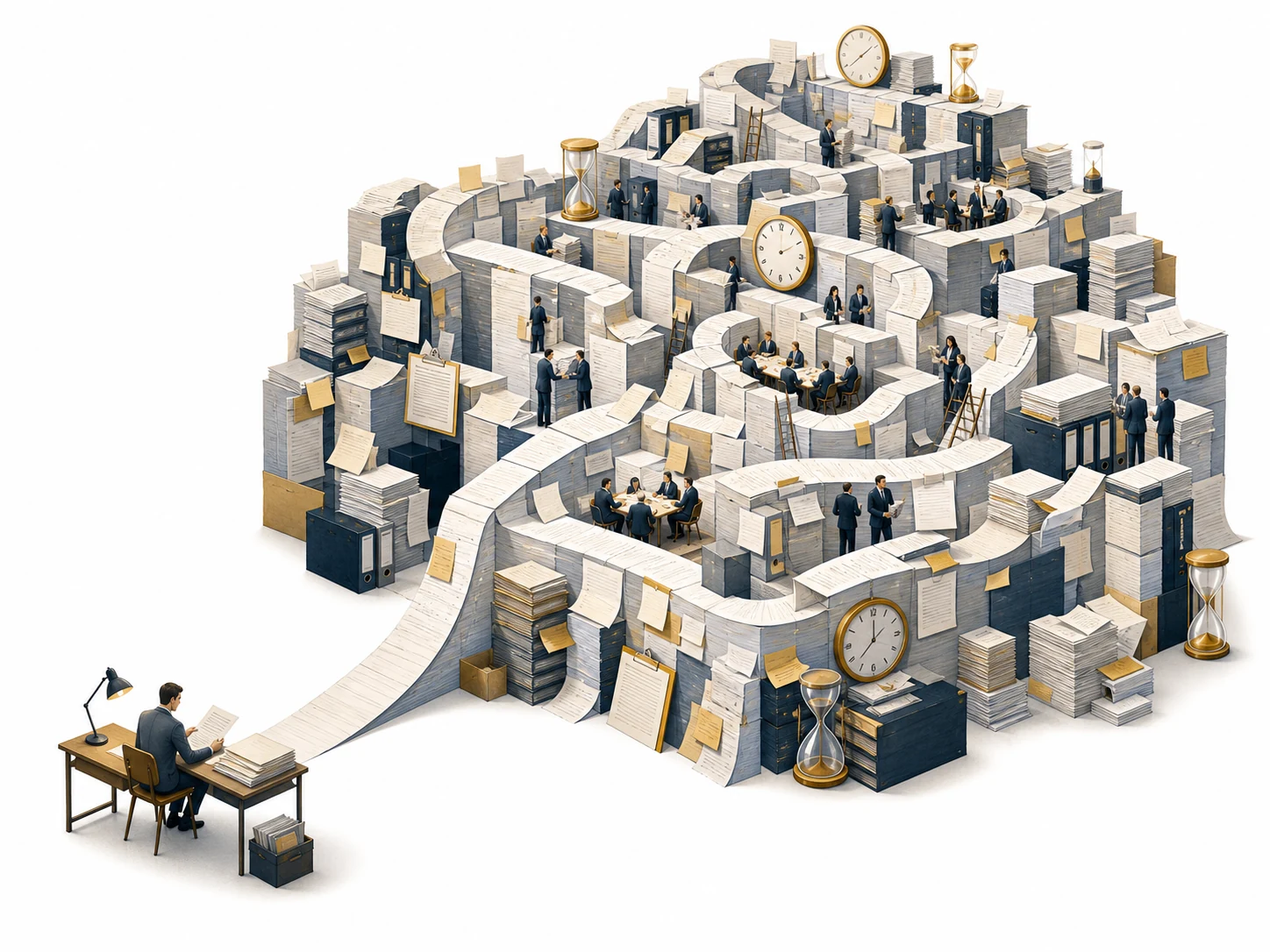
Parkinson's Law, coined by British historian Cyril Northcote Parkinson in 1955, states that work expands to fill the time available for its completion. If you give yourself a week to do a task, it takes a week. If you give yourself an hour, it takes an hour. The law explains why bureaucracies grow, why projects take longer than expected, and why deadlines are so effective. It is not about laziness. It is about how humans perceive and use time.
Open concept ->
Browse All Questions
490 doors into the archive
The important thing is not to stop questioning.