Visual answer
What Happens Inside a Leaf as Autumn Arrives
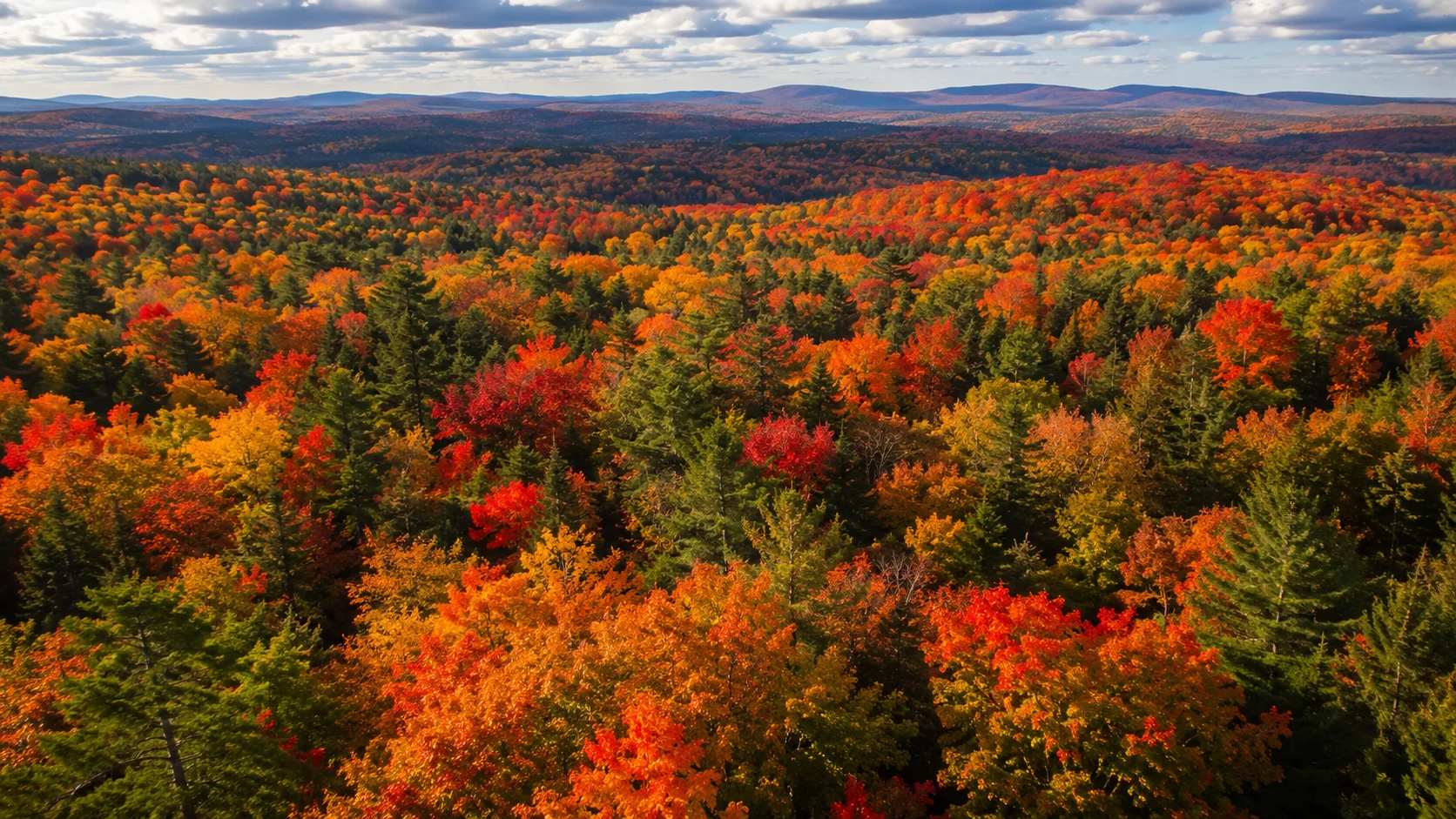
The seasonal shift triggers chemical changes that transform a leaf from green to autumn colors.
Shorter days trigger leaf shutdown
Trees detect shortening days and begin forming an abscission layer at the leaf stem.
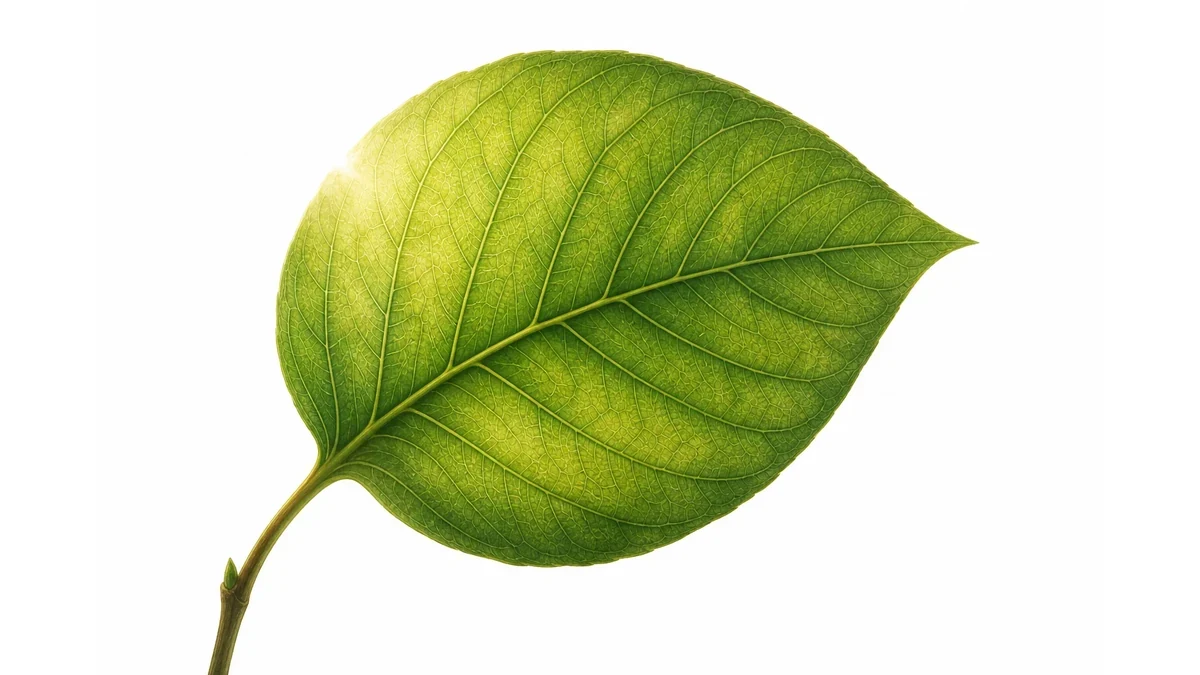
Chlorophyll breaks down
Without continued nutrient supply, chlorophyll is no longer replenished and green fades.
Carotenoids become visible
Yellow and orange pigments that were hidden all summer become the dominant visible colors.
Anthocyanins form from trapped sugars
Sugars trapped in the leaf help produce red and purple pigments in sunny, cool conditions.
Why trees do this
Dropping Leaves Is a Survival Strategy
Broad leaves are excellent summer solar panels, but they lose lots of water. In winter, frozen soil makes that water hard to replace.
Trees abandon leaves before winter, but first they recover valuable nutrients from them. The color change is partly a visible side effect of that recycling.
Evergreens solve the same winter problem differently with waxy, narrow needles and chemistry that tolerates cold better.
Myth vs reality
Myth vs Reality
What people think
Cold weather causes leaves to change color
Temperature matters for color intensity, but day length is the primary trigger for the process.
What actually happens
Day length triggers the change; temperature shapes the result
Trees detect shortening days. Cool nights and sunny days then influence how vivid the colors become.
Pigment types
The Three Pigments Behind Autumn Color
Chlorophyll
Produces green. Active in spring and summer. Broken down in autumn.
Carotenoids
Produce yellow and orange. Present year-round and revealed when chlorophyll fades.
Anthocyanins
Produce red and purple. Made fresh from trapped sugars in autumn.
Quick answers
Common questions
Why do leaves turn different colors on different trees? +
Different species contain and produce different mixes of chlorophyll, carotenoids, anthocyanins, and tannins.
Why do some years have better autumn color than others? +
Warm sunny days, cool nights, adequate moisture, and no early hard frost create the best conditions.
Why do leaves eventually turn brown? +
Brown comes from tannins and drying leaf tissue after the brighter pigments break down.
Why do leaves fall after changing color? +
The tree forms an abscission zone at the base of the leaf stalk, weakening the attachment until the leaf drops.