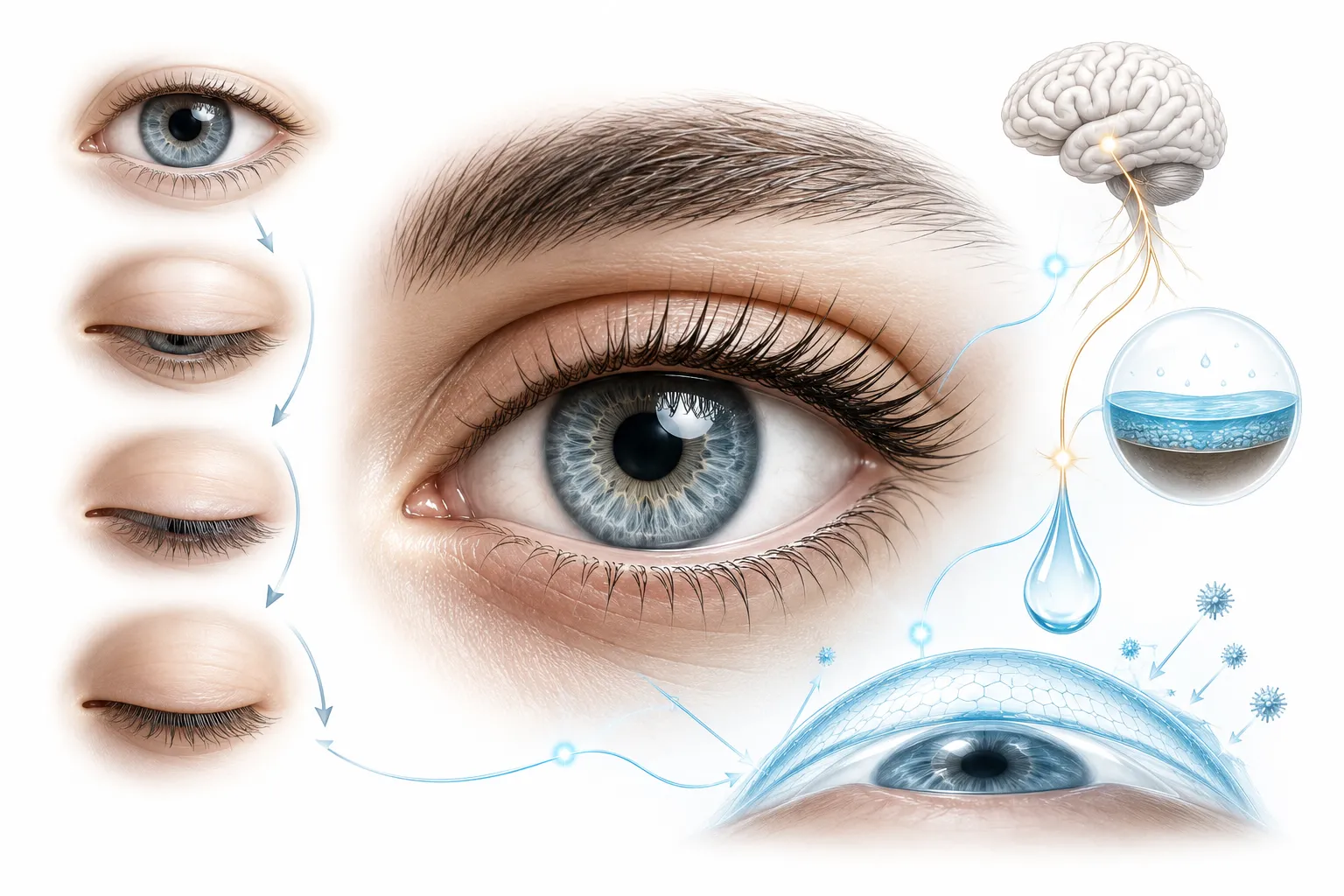
HUMAN BODY
Why Does the Eye Blink?
Open article ->
Neuroscience & Music
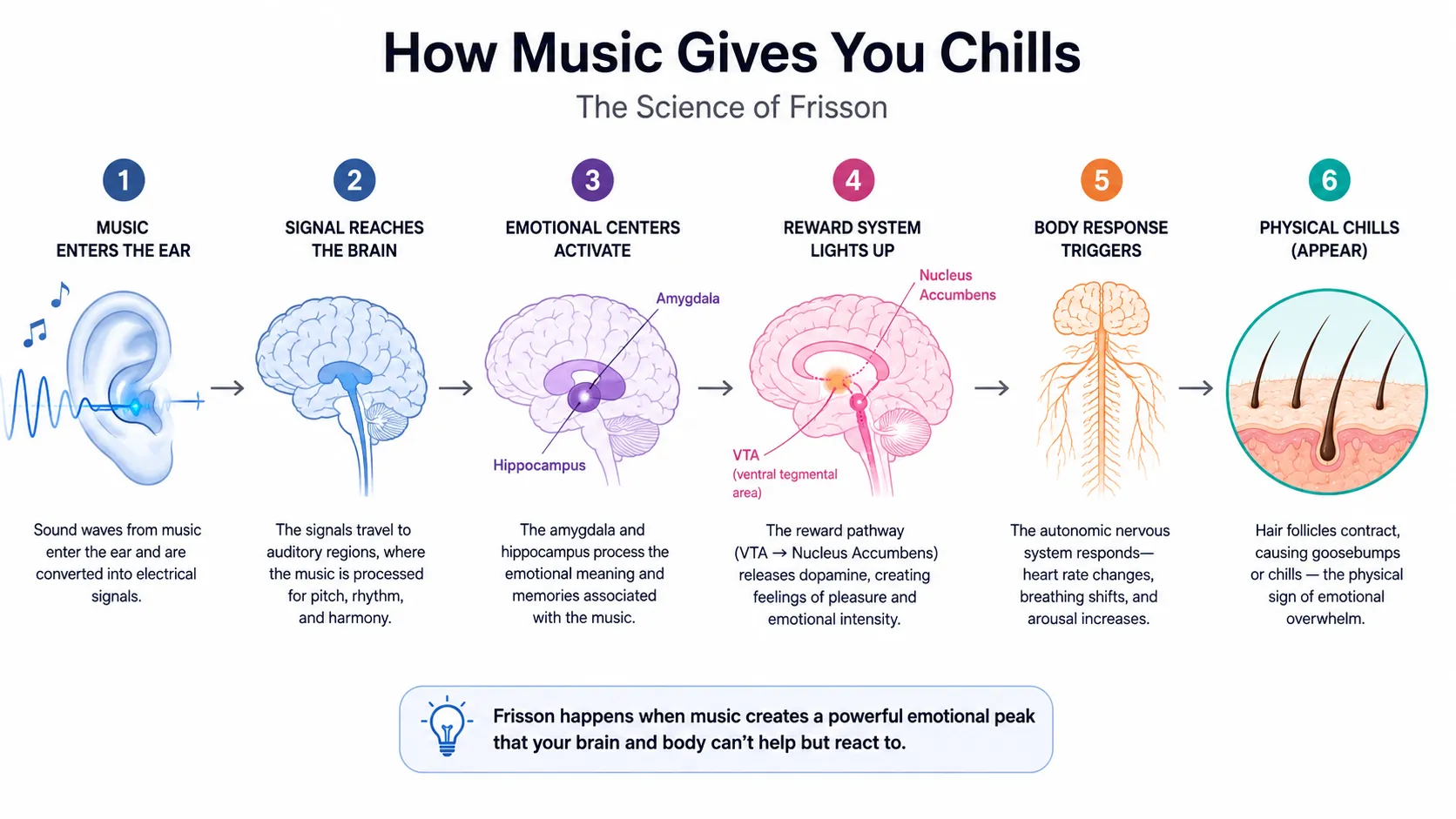
Why Do We Get Chills From Music?
Music chills, called frisson, happen when the brain's reward system fires dopamine in response to musical surprise and emotional peaks. Not everyone experiences them.
Open article ->

Neuroscience & Memory
Why Do We Remember Random Moments But Forget Important Ones?
Memory does not record what matters to you. It records what your nervous system found surprising, emotional, or novel. Important events often fail those tests.
Open article ->
Animal Behavior
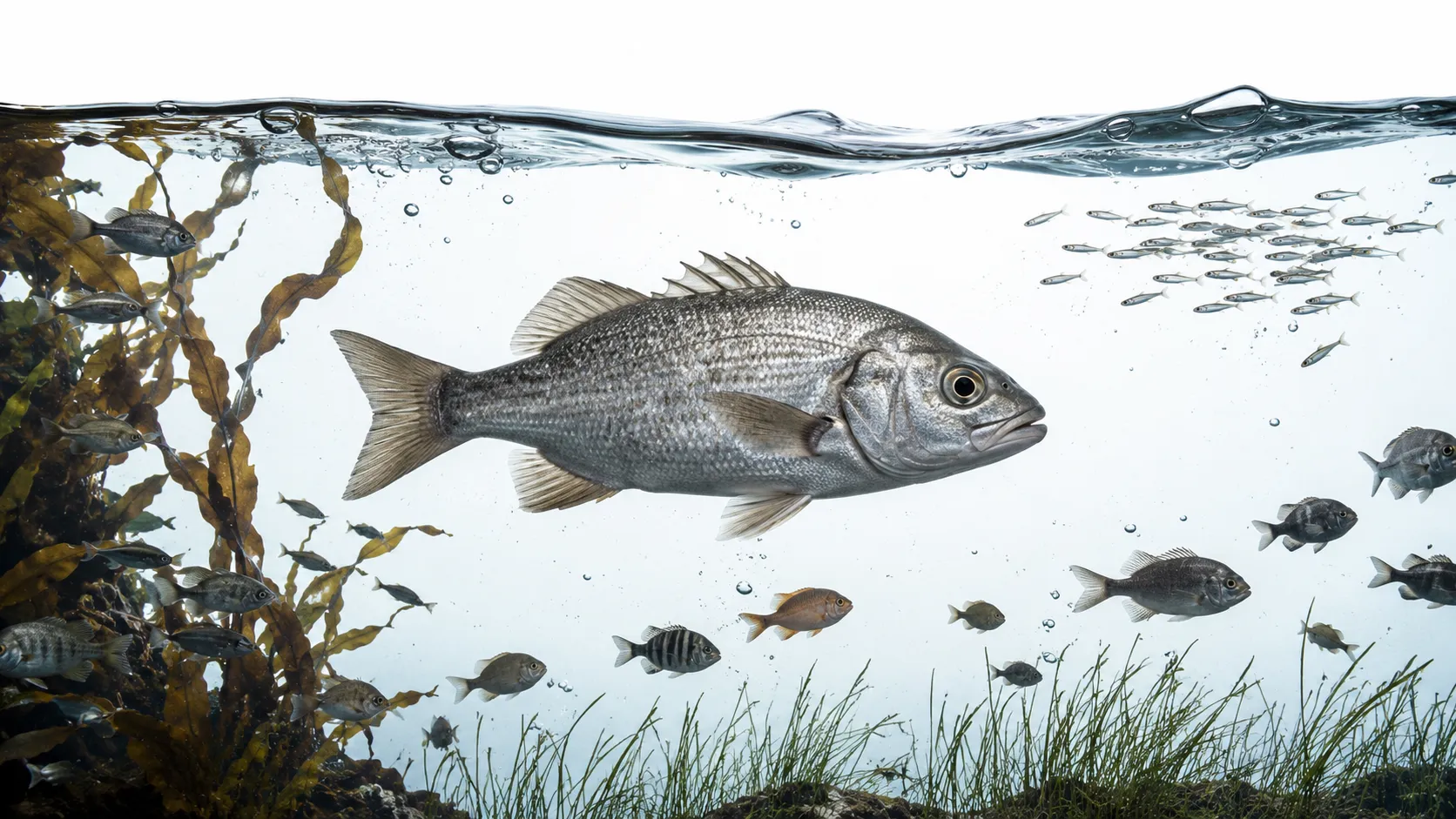
Why Do Fish Sleep?
Fish do sleep, but not the way you'd expect. Learn how fish rest without eyelids, what sleep looks like underwater, and what this reveals about the origins of sleep itself.
Open article ->
Brain Science Explained
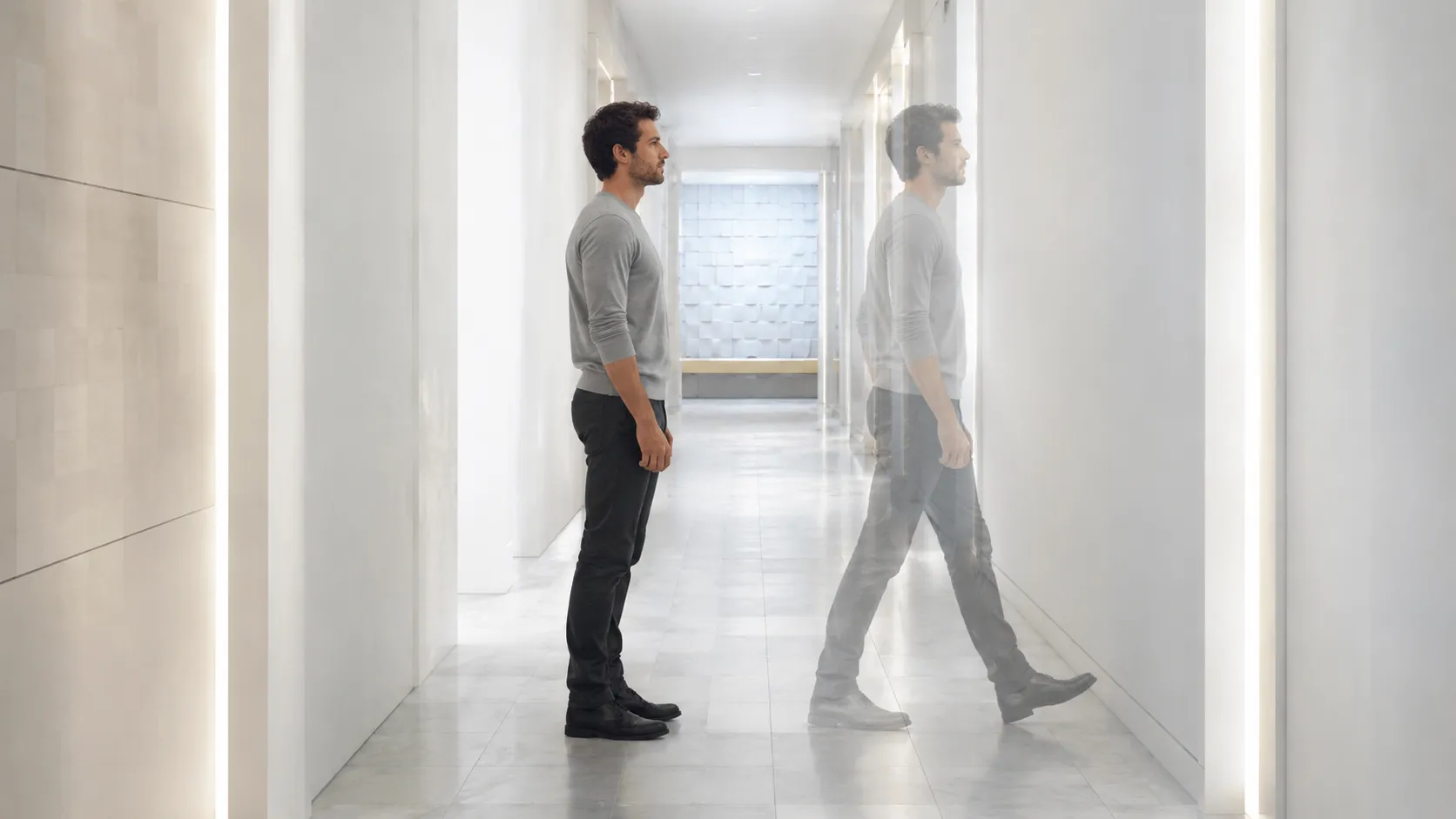
Why Do We Get Déjà Vu?
Déjà vu happens when your brain's familiarity system fires without a matching memory to back it up, creating a convincing sense that a brand-new moment has happened before. Scientists still debate the exact mechanism, but the leading explanation involves a brief mismatch between two separate memory systems.
Open article ->
A molecule from a fungus
How Magic Mushrooms Work?
Magic mushrooms contain psilocybin, which converts to psilocin and changes how the brain filters perception, identity, and reality. Learn the science of how they work.
Open article ->
Neuroscience
How Does Memory Work?
Memory is not a recording. Every time you remember something, your brain rebuilds it from scratch. Here is the real science of how memories form, stick, and fade.
Open article ->
Neuroscience
How Does the Brain Work?
Your brain has never once seen the outside world. It sits in total darkness, receiving only electrical signals, and builds everything you experience from those alone. Here is how.
Open article ->
Neuroscience
How Does Addiction Work?
Addiction is not a lack of willpower. It is a physical change to the brain's reward system that makes the addicted behaviour feel like survival itself. Here is the neuroscience.
Open article ->
Neuroscience
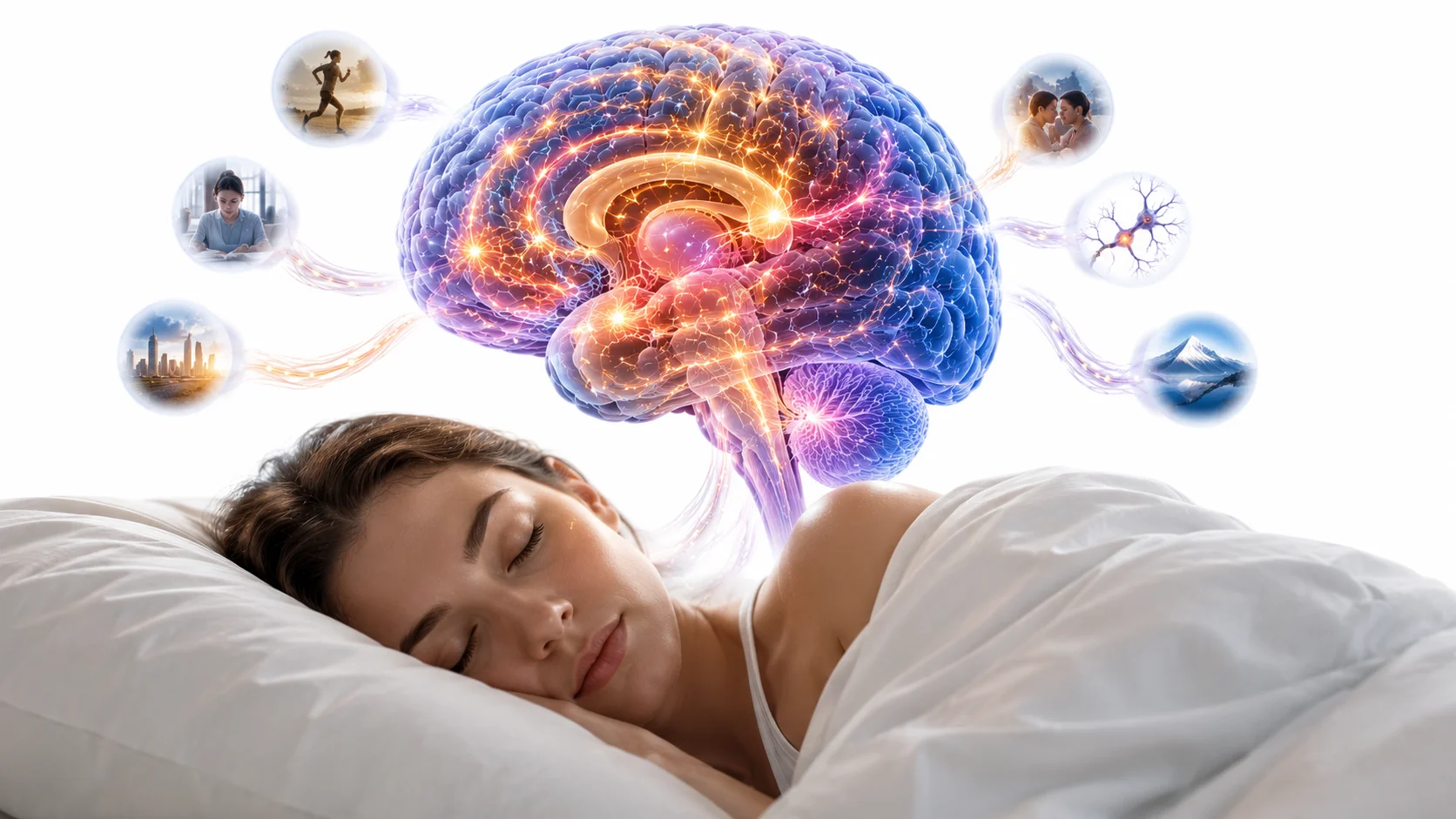
How Does Sleep Work?
Sleep is not rest. While you lie still, your brain runs a complex maintenance operation, consolidating memories, clearing waste, and rebuilding systems. Here is what actually happens.
Open article ->
Neuroscience
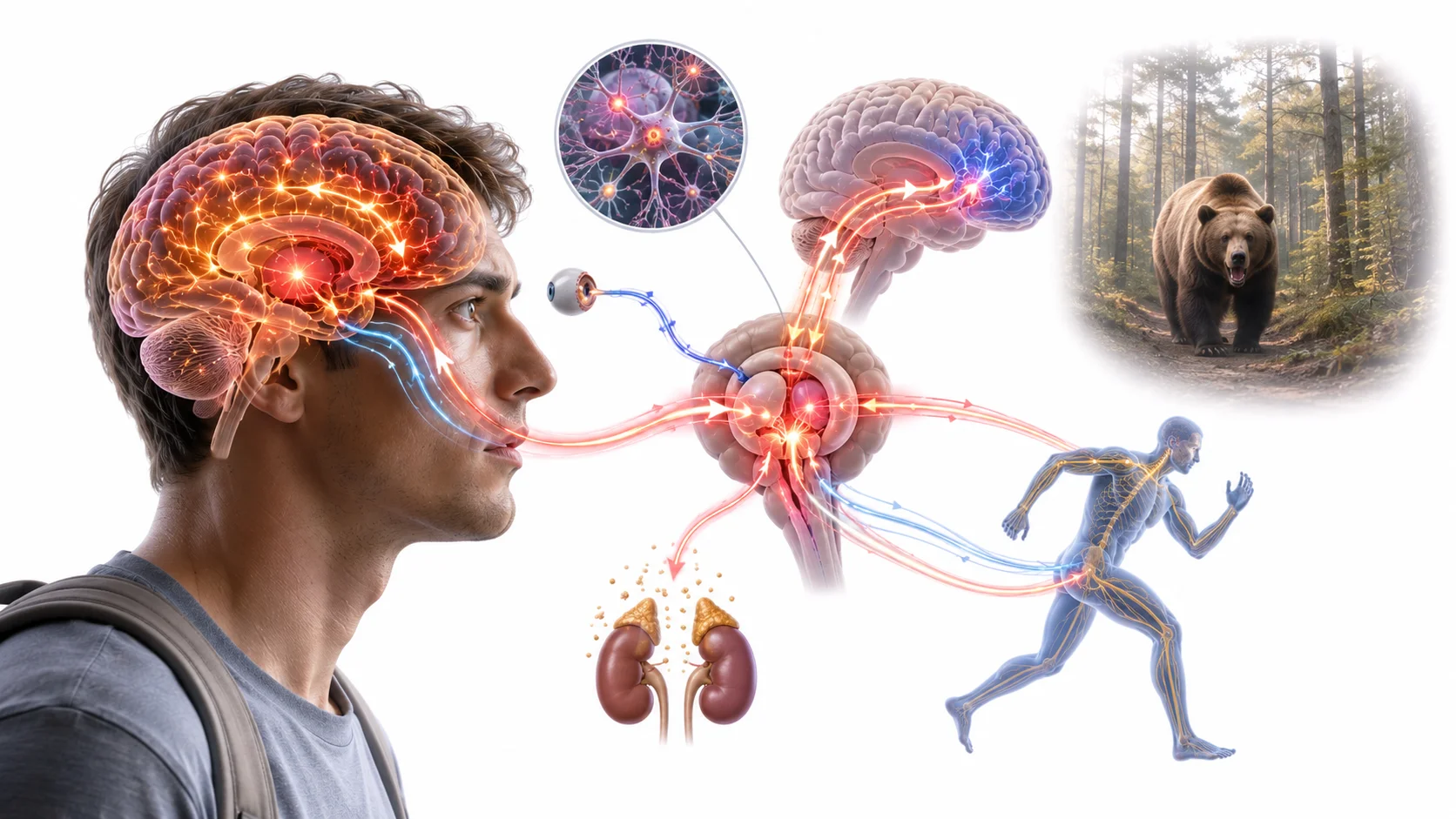
How Does Fear Work?
Fear begins in a part of your brain that evolved before language, before reason, and before you. It can trigger a full body emergency response before you are even conscious of being scared.
Open article ->
Medicine
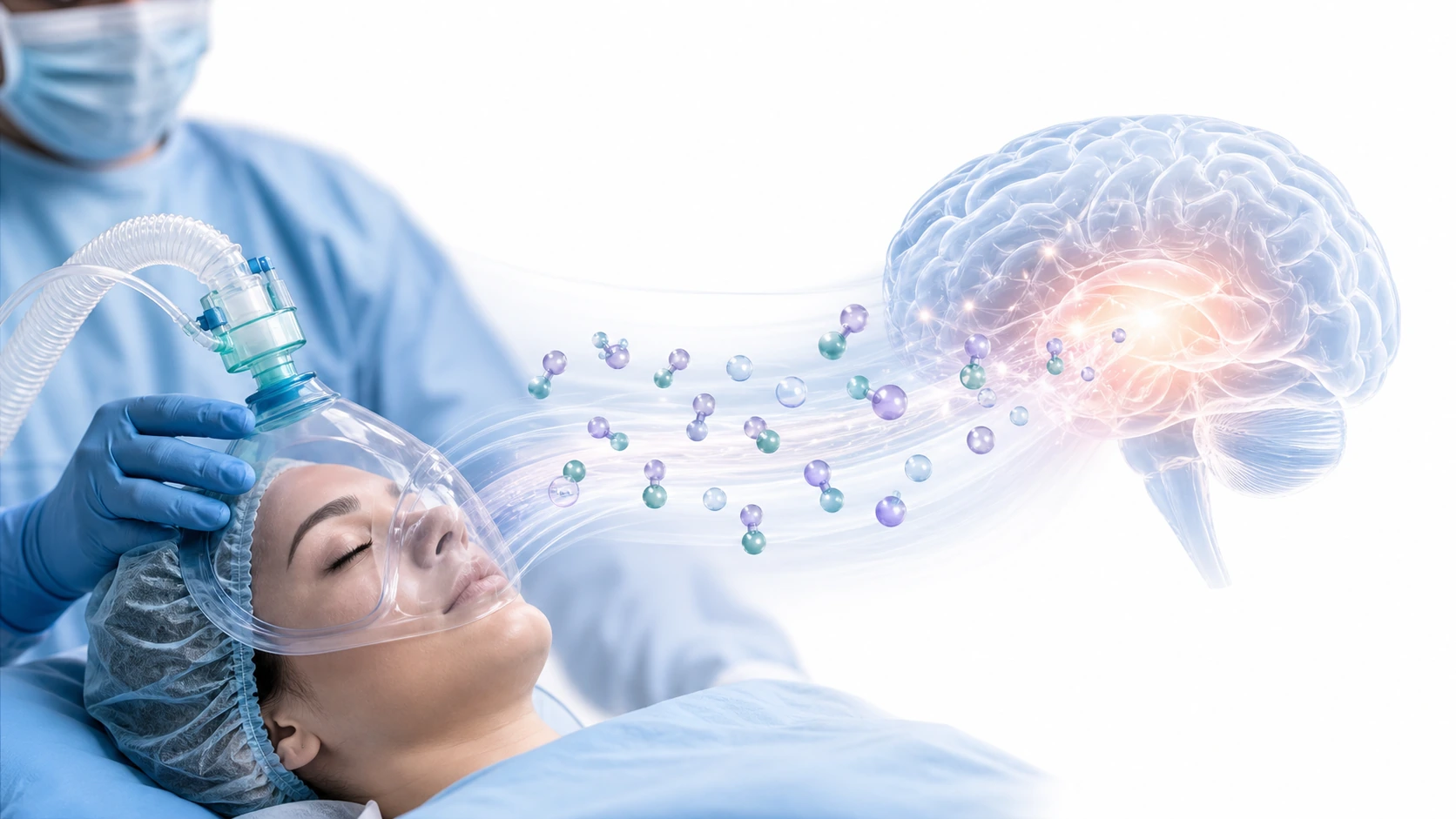
How Does Anesthesia Work?
Anesthesia works by flooding the brain and nervous system with molecules that disrupt the electrical signals neurons use to communicate, pressing pause on consciousness, memory, and pain processing.
Open article ->
Neuroscience
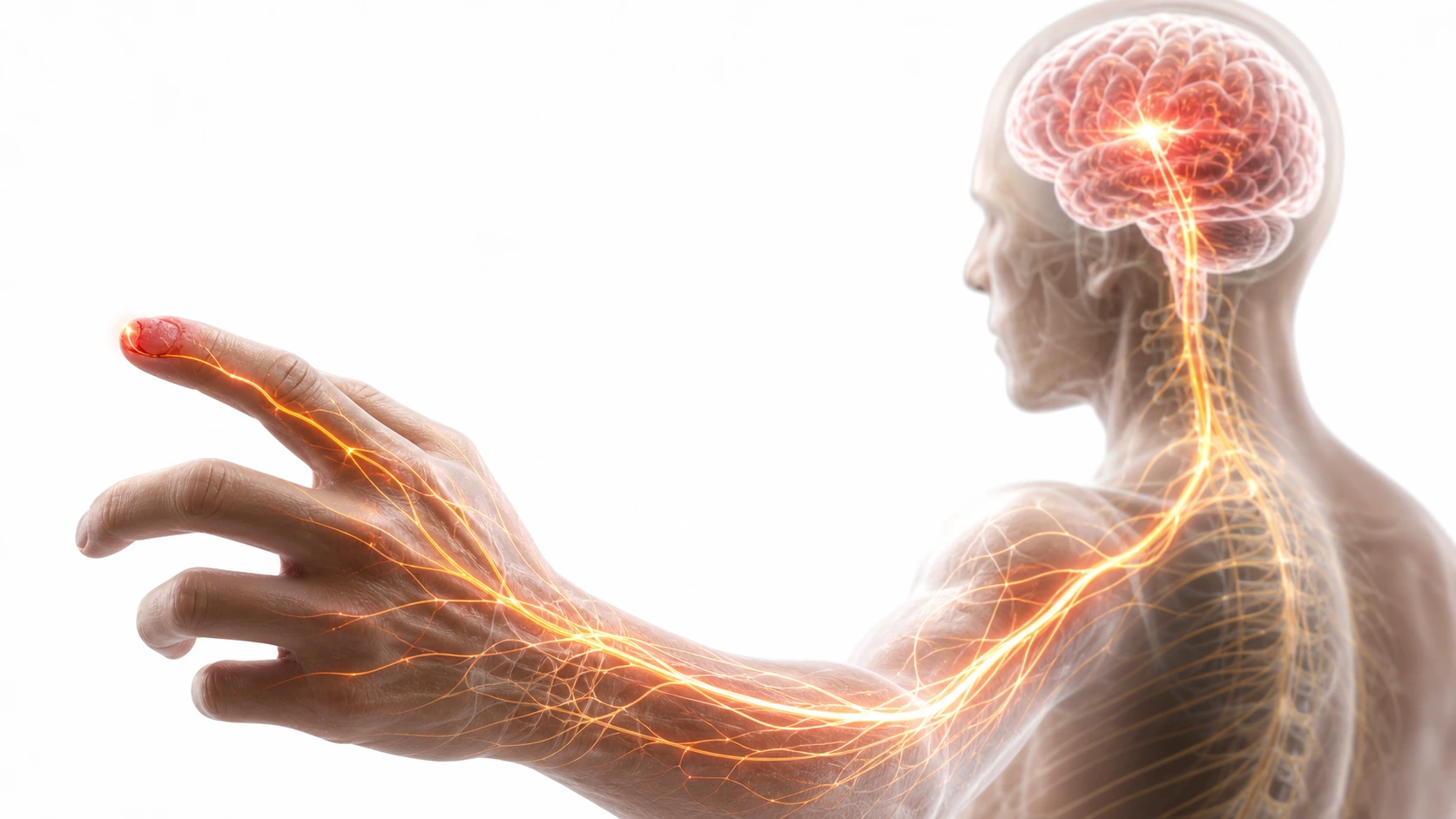
How Does Pain Work?
Pain begins with danger signals from tissue, but pain itself is constructed by the brain after weighing injury signals against context, memory, emotion, attention, and expectation.
Open article ->
Neuroscience
How Does Consciousness Work?
Consciousness remains an open problem. Leading theories describe it as global information broadcasting, integrated information, predictive modeling, or higher-order representation, but none has been decisively proven.
Open article ->
Neuroscience & Philosophy of Mind
What Is Consciousness Made Of? The Question Neuroscience Can't Answer
Open article ->

Neuroscience of Death
What Does It Feel Like When You Die? What Science Has Learned
Open article ->
Psychoneuroimmunology
Can Your Mind Heal Your Body?
Open article ->

Psychology & Neuroscience
Can You Really Be Hypnotized?
Open article ->

Sleep Science
Can You Train Yourself to Sleep With Your Eyes Open?
Open article ->