The Verdict
Verdict
The mind has real, measurable effects on the body within specific biological pathways
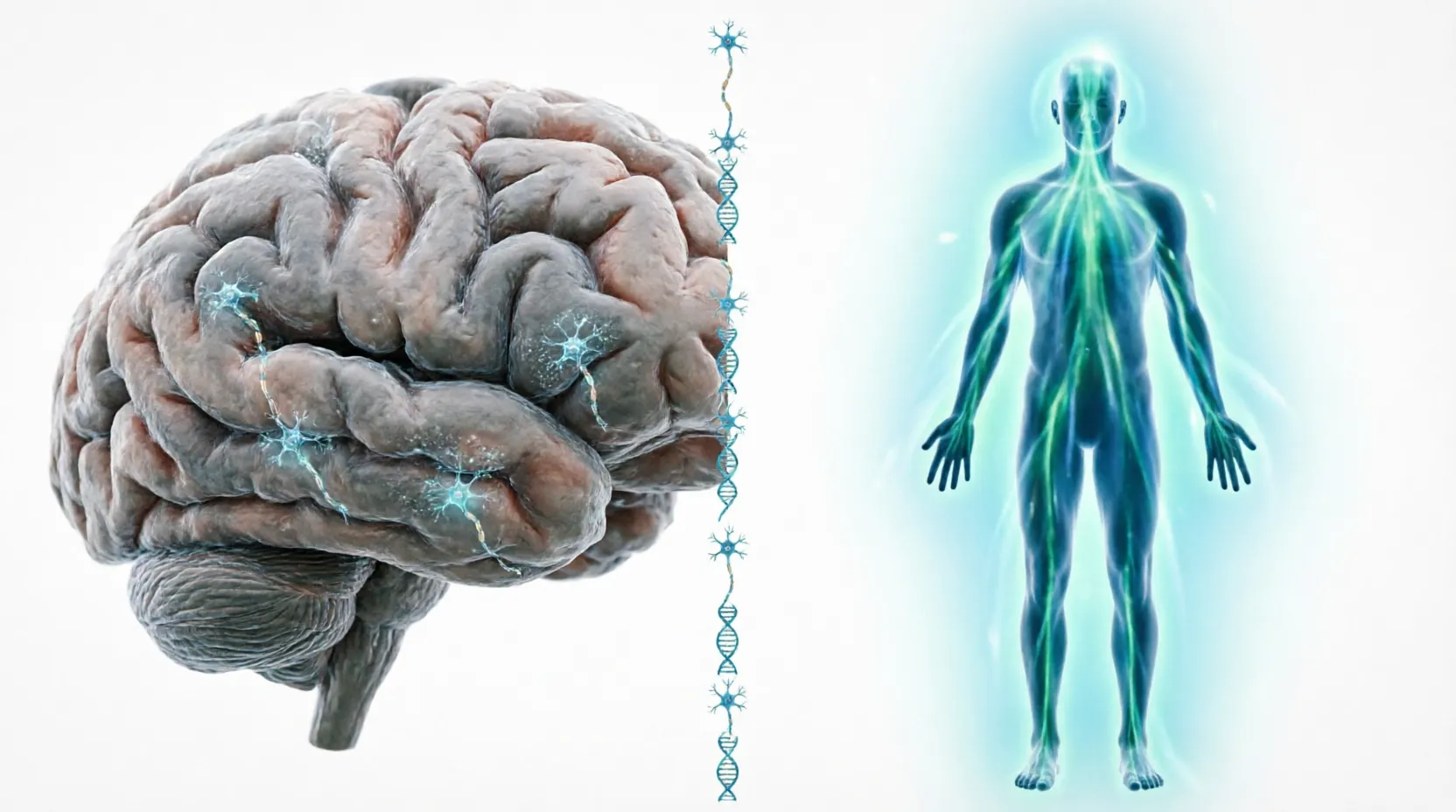
The mind-body connection is not metaphor it's biology. The nervous, immune, and endocrine systems communicate constantly via neurotransmitters, cytokines, and hormones. Mental states directly alter these chemical messengers. Chronic stress demonstrably suppresses immune function. Positive expectation (placebo) triggers real opioid release. The mind can genuinely influence healing but it cannot override structural damage, genetic disease, or serious infection without other treatment.
Useful analogy
The mind is like the software running on the body's hardware. It can dramatically affect the hardware's performance faster, slower, more or less efficient. It can fix some software bugs. But it cannot replace a broken hard drive.
The catch
The toxic version of this idea is that people who get sick 'caused it through negative thinking' or can cure serious illness through willpower alone. This is both scientifically false and genuinely harmful. The mind's healing influence is real but probabilistic and limited not magic and not moral judgment.
The Evidence
What Research Has Documented
Placebos trigger measurable release of endogenous opioids (endorphins) the effect is blocked by naloxone, an opioid antagonist
StrongChronic psychological stress reduces NK (natural killer) cell activity, slows wound healing by 24–40%, and impairs vaccine response
StrongHypnosis produced significantly higher wart clearance than no-treatment control in multiple randomized trials
ModerateMindfulness-based interventions show measurable changes in inflammatory markers (IL-6, CRP) in multiple RCTs
ModerateNocebo effect: patients told a drug would cause nausea report significantly more nausea even when given placebo
StrongNo reproducible evidence that positive thinking, visualization, or prayer can cure cancer, structural injuries, or serious infection
StrongThe Pathways
The Biological Pathways Between Mind and Body
The mind-body connection isn't mysterious it runs through specific, documented biological channels.
The HPA axis stress hormones
The hypothalamic-pituitary-adrenal (HPA) axis translates psychological stress into cortisol release. Cortisol is powerfully immunosuppressive it's why chronic stress impairs immune function. The same pathway works in reverse: positive mental states reduce cortisol, supporting immune function.
Analogy
Cortisol is the mind's fax to the immune system: it sends messages, constantly.
The autonomic nervous system real-time body control
The autonomic nervous system particularly the vagus nerve connects the brain to the heart, gut, and immune organs. Mental states alter heart rate variability, gut motility, and inflammatory signaling in real time. Meditation-induced changes in heart rate variability produce downstream effects on immune function.
Neuropeptides and neurotransmitters the chemical language
The brain produces over 100 neuropeptides that act directly on immune cells. Immune cells, in turn, have receptors for brain chemicals and produce cytokines that act on the brain. This bidirectional chemical conversation is the core of psychoneuroimmunology the field founded by Ader and Cohen's 1975 discovery that immune responses could be classically conditioned.
The placebo pathway expectation as chemistry
When a patient expects pain relief, the brain releases endogenous opioids (confirmed by naloxone studies), dopamine in reward pathways, and other mediators. The expectation literally triggers the pharmaceutical response. This is why open-label placebos (where patients know they're taking a sugar pill) still work the ritual of treatment itself is bioactive.
The Limits
Where Mind-Body Medicine Fails
What people think
"Positive thinking can heal cancer / serious disease / structural damage"
The wellness industry has weaponized legitimate mind-body science into the claim that illness is caused by negativity and healed by the right mental attitude. Books like 'The Secret' codified this into a mainstream belief.
What actually happens
The mind influences biology; it does not override pathology
Mind-body effects are real, measurable, and clinically meaningful for pain, immune function, functional symptoms, and recovery rates. They do not cure malignant tumors, repair torn ligaments, clear serious bacterial infections, or reverse genetic conditions. The idea that sick people caused their illness through wrong thinking, or can cure it through right thinking, is not only false it's harmful, producing guilt alongside serious illness.
Final insight
The Mind and Body Were Never Separate
Western medicine's Cartesian split treating body and mind as separate machines was always a convenient fiction for clinical practice, not a biological truth. The immune, nervous, and endocrine systems are one integrated system that responds to psychological states with chemical precision. The mind can genuinely help the body heal through measurable pathways, in documented ways, within real limits. Understanding those limits is as important as celebrating the connection.
Quick answers
Common questions
Is there evidence meditation changes the immune system? +
Moderate evidence, yes. Multiple studies show mindfulness meditation reduces inflammatory markers (IL-6, CRP) and improves some measures of immune function. The effects are real but not dramatic comparable to modest lifestyle interventions. Meditation is not a medical treatment, but it appears to shift the physiological environment in meaningful ways.
Is the placebo effect the same as 'all in your head'? +
No that phrase implies the effect isn't real. Placebo effects are measurable in objective outcomes: reduced tumor necrosis factor, lower cortisol, faster wound healing. The mechanism is in the head (brain-mediated), but the effects are bodily and real. The distinction between 'subjective' and 'real' doesn't hold here.
What is psychoneuroimmunology? +
Psychoneuroimmunology (PNI) is the scientific field studying interactions between the nervous system, immune system, and psychological processes. It was formally established after Robert Ader and Nicholas Cohen's 1975 experiment showing that immune responses could be classically conditioned in rats demonstrating that the immune system could 'learn' from psychological signals.
Can stress actually make you sick? +
Measurably yes. Studies consistently show that people under chronic stress catch more colds when exposed to rhinovirus, have slower-healing wounds, show impaired vaccine responses, and have elevated inflammatory markers associated with cardiovascular disease. The pathway is through cortisol and autonomic nervous system dysregulation.