Animal Behavior
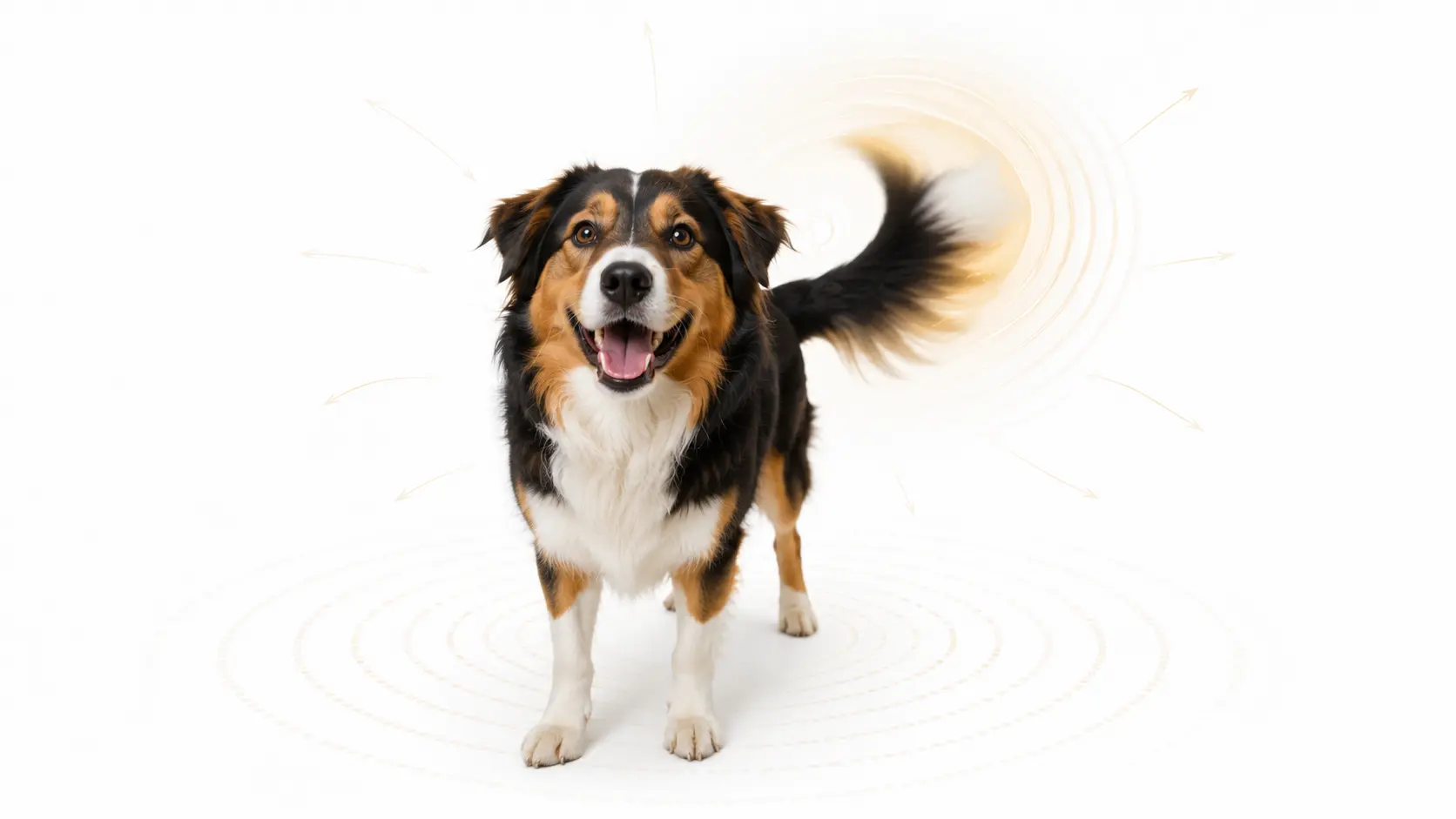
Why Do Dogs Wag Their Tails?
Dogs wag their tails to communicate emotions and intentions, but a wag does not always mean happiness.
Open article ->
Animal Behavior
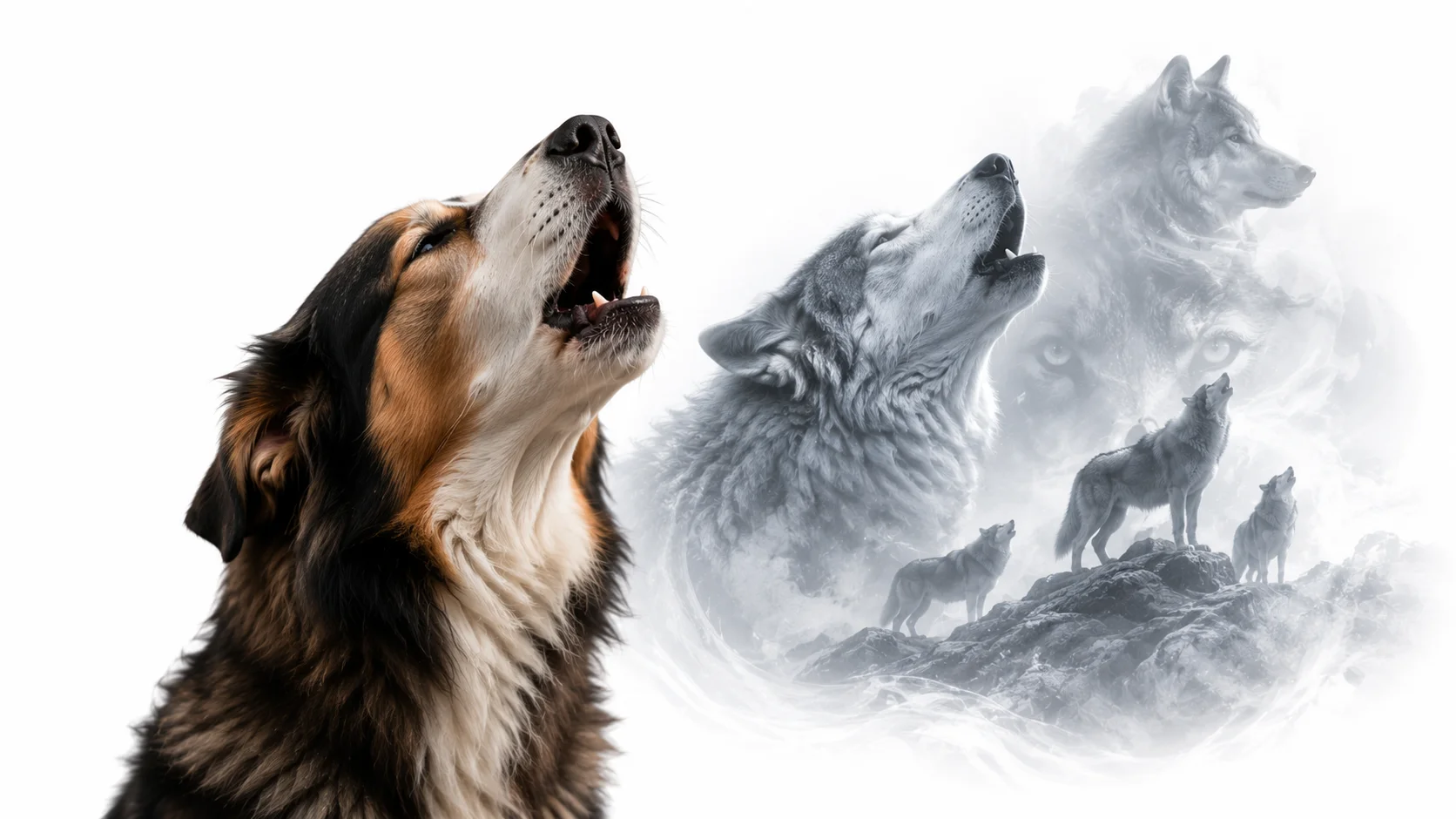
Why Do Dogs Howl?
Dogs howl for many reasons, including communication, attention, anxiety, territorial signaling, and responses to certain sounds.
Open article ->
Animal Behavior
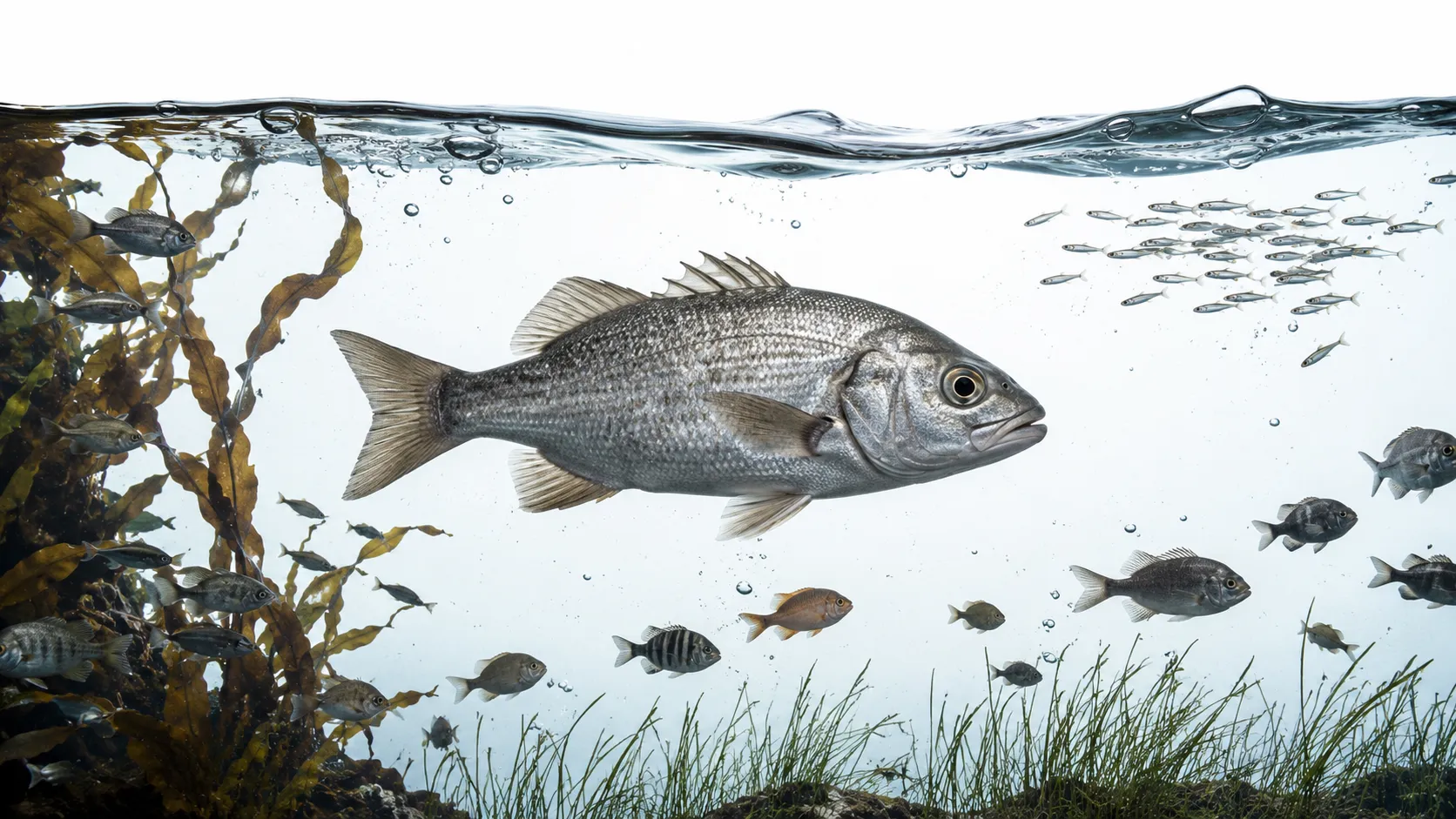
Why Do Fish Sleep?
Fish do sleep, but not the way you'd expect. Learn how fish rest without eyelids, what sleep looks like underwater, and what this reveals about the origins of sleep itself.
Open article ->
Animal Behavior
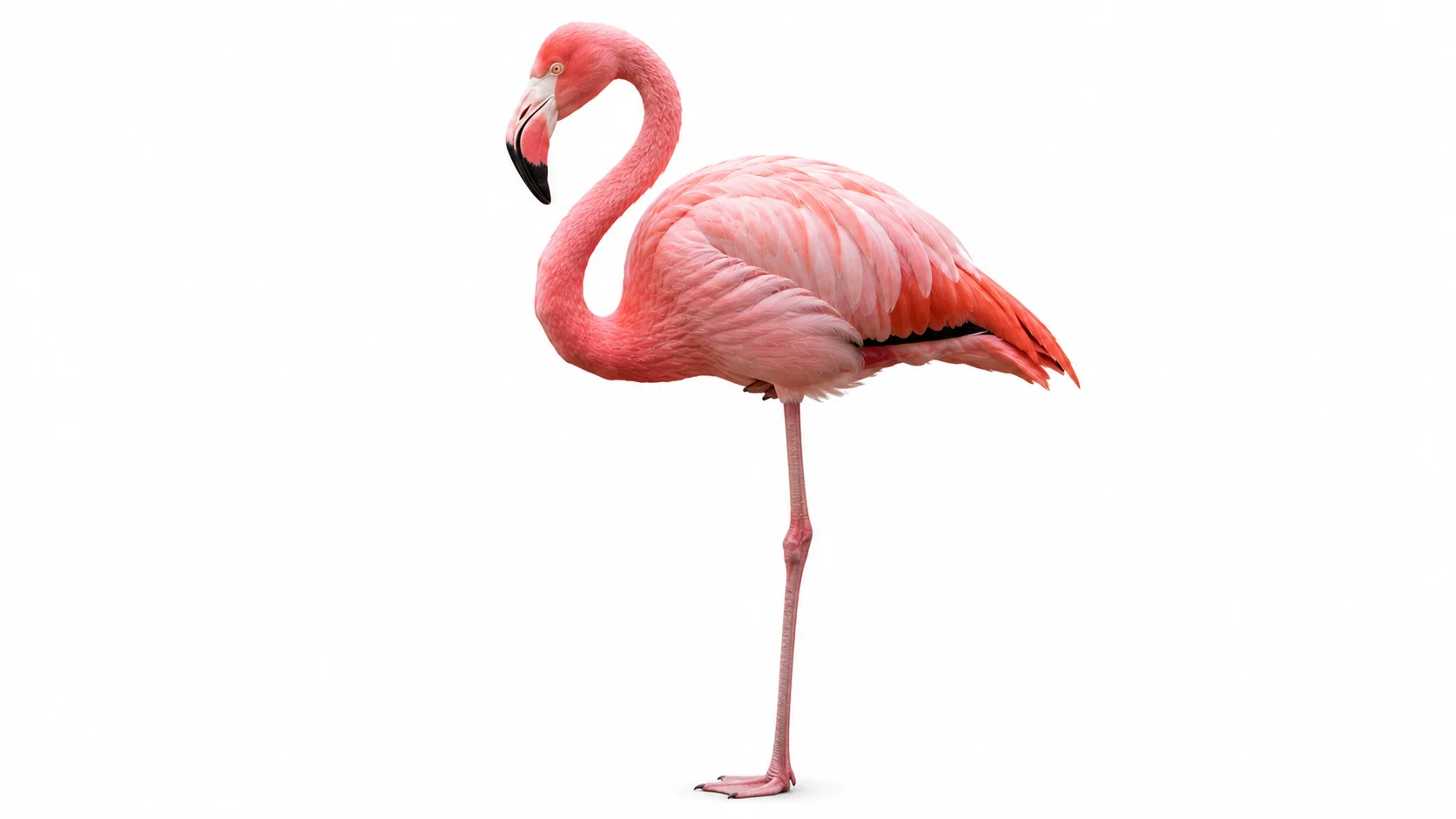
Why Do Flamingos Stand on One Leg?
Flamingos spend hours balanced on one leg. What looks uncomfortable may actually help them save energy and reduce heat loss.
Open article ->
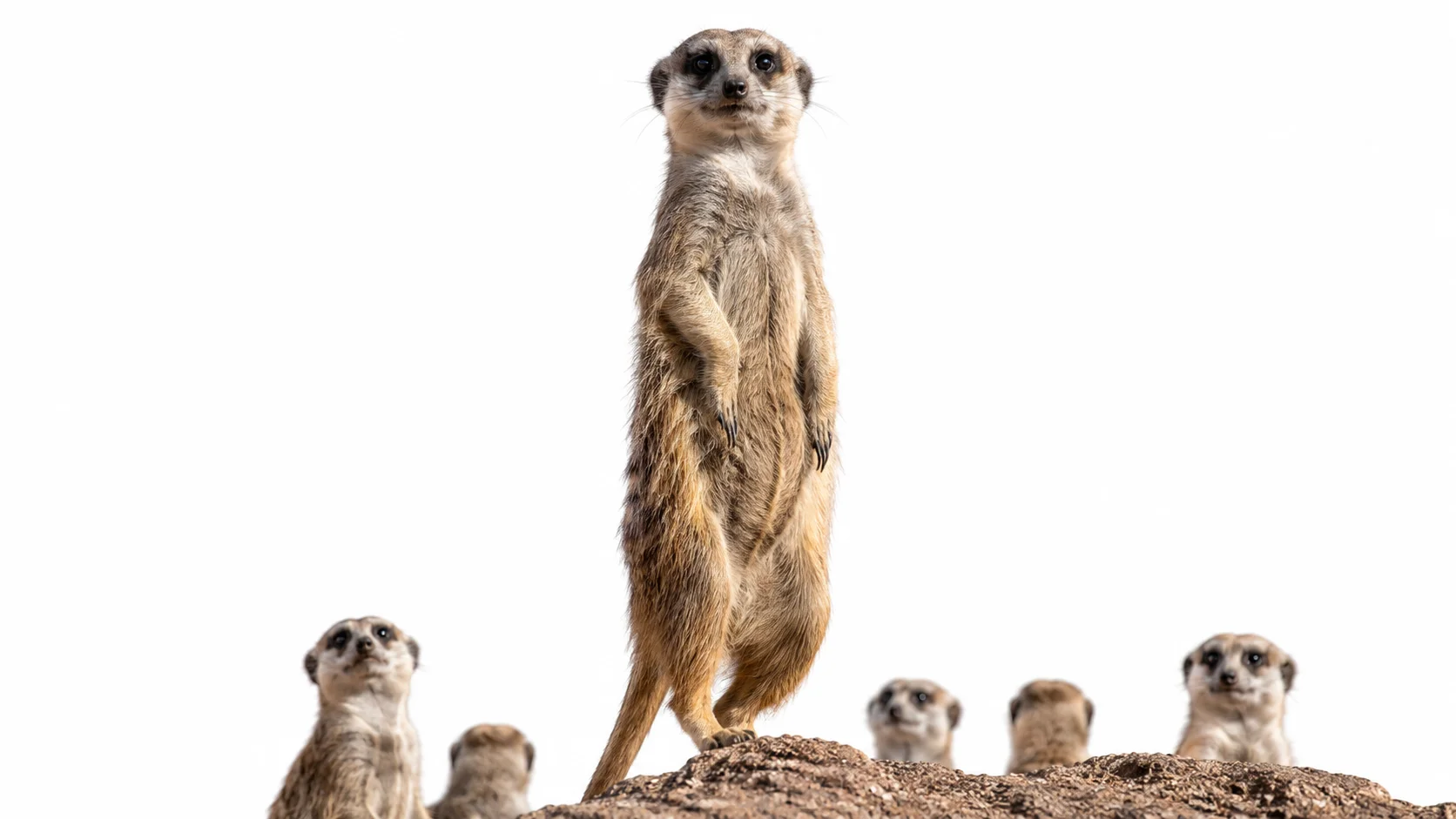
Animal Behavior
Why Do Meerkats Stand Up?
Meerkats often stand upright like tiny people. The posture helps them watch for danger in one of the most predator-filled environments on Earth.
Open article ->
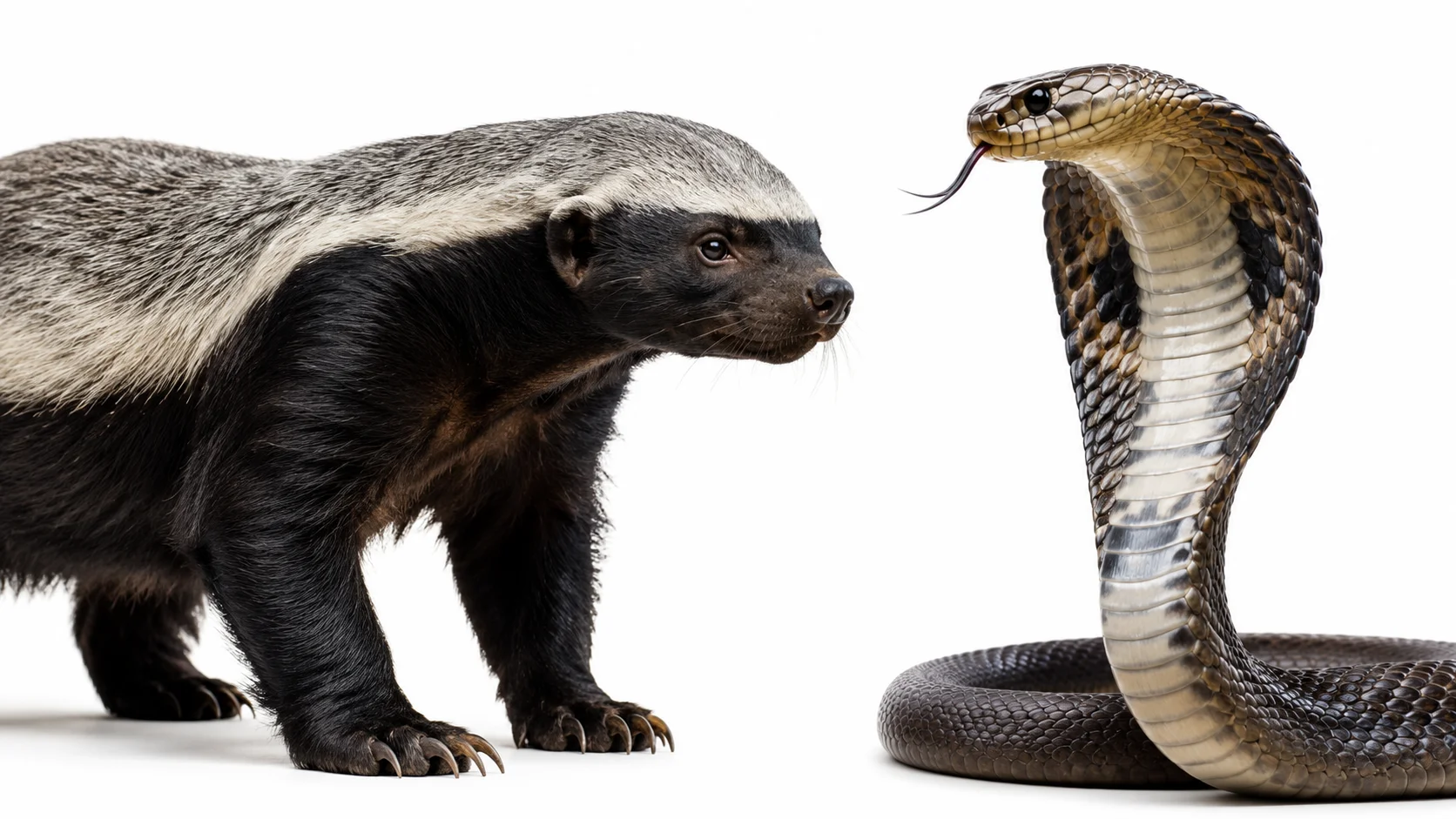
Animal Biology & Behavior
Why Are Honey Badgers So Fearless? The Science Behind Nature's Toughest Animal
Honey badgers fight lions, survive cobra bites, and raid beehives without hesitation. Here is the real biology behind why they act like nothing can stop them.
Open article ->
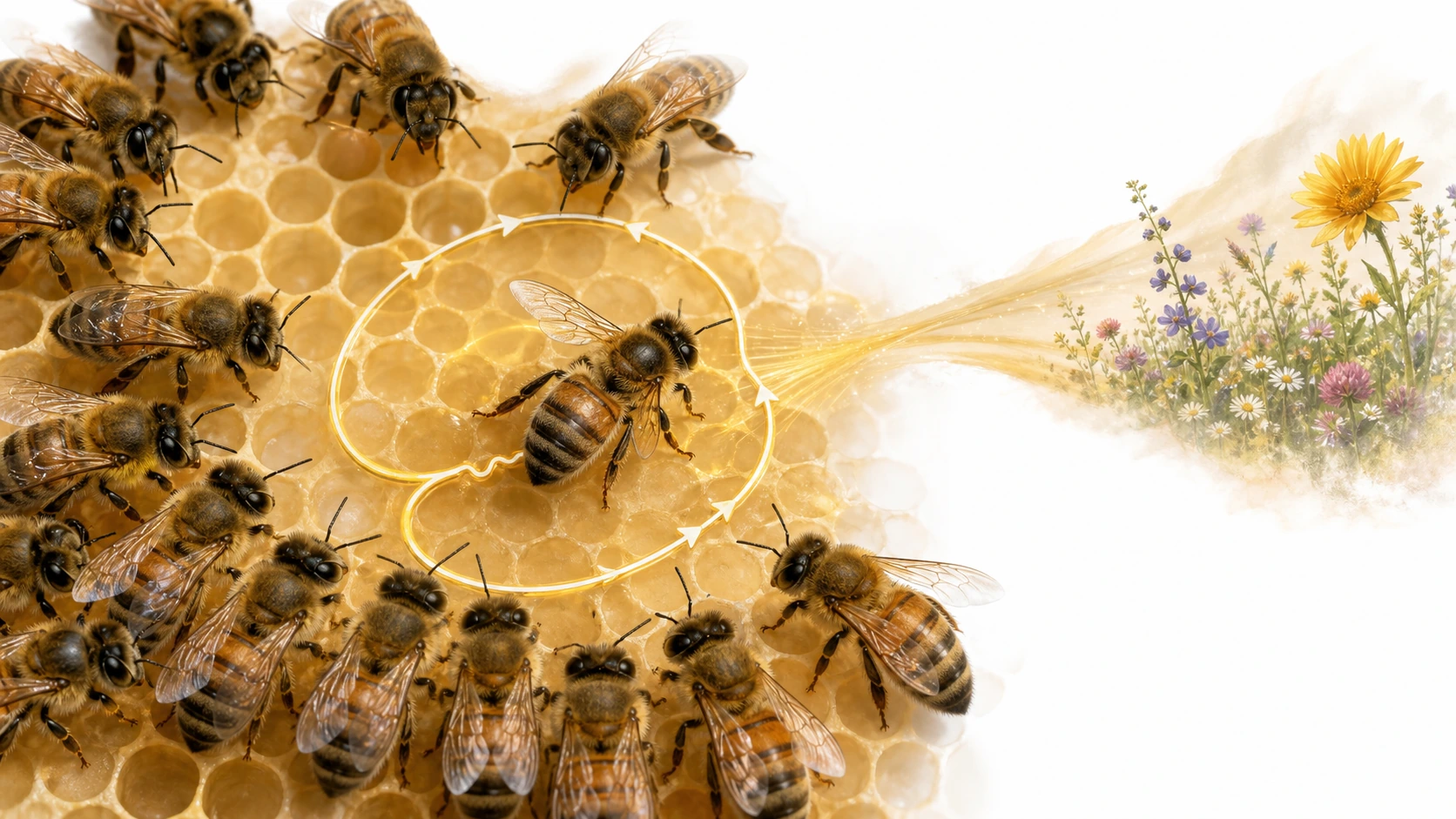
Biology
How Do Bees Communicate?
Honeybees communicate food location with a waggle dance: direction is encoded by the angle of the waggle run relative to vertical, and distance is encoded by how long the waggle lasts.
Open article ->