1
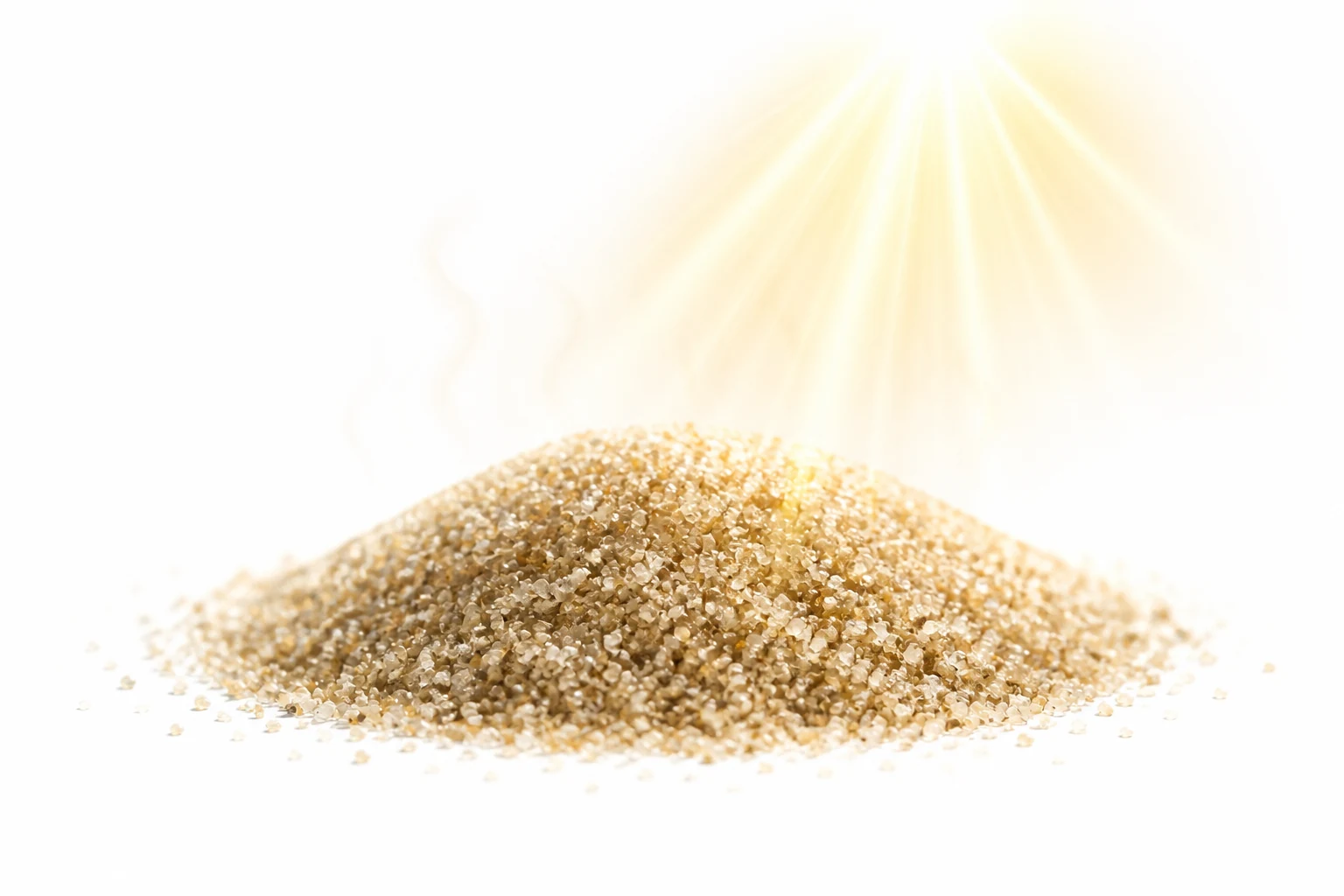
01. Sunlight strikes the sand's surface
Solar radiation is absorbed by the uppermost layer of sand grains.
Everyday Science
The reason beach sand can blister your feet while the ocean right beside it stays cool. Step from cool ocean water onto dry beach sand on a sunny afternoon and the difference is immediate and almost violent - sand that can genuinely burn bare skin, just meters from water that remains pleasantly mild. The sun is treating both the same. The sand and the water are simply responding very differently. The answer involves a property called specific heat capacity, the molecular behavior of water, and why deserts get so brutally cold at night.
Quick answer
Sand heats up faster than water because it has a much lower specific heat capacity, meaning it requires far less energy to raise its temperature, while water's molecular structure allows it to absorb large amounts of heat with only a small temperature change. The same low heat capacity that makes sand scorch your feet by afternoon is exactly why it cools down so quickly and dramatically once the sun sets.
The mystery
The answer involves a property called specific heat capacity, the molecular behavior of water, and why deserts get so brutally cold at night.
The short answer
Sand heats up faster than water because it has a much lower specific heat capacity, meaning it requires far less energy to raise its temperature, while water's molecular structure allows it to absorb large amounts of heat with only a small temperature change.
The twist
The same low heat capacity that makes sand scorch your feet by afternoon is exactly why it cools down so quickly and dramatically once the sun sets.
Common mistake
Many assume sand has some special property that specifically traps and holds heat.
Everyday Science
Water's high specific heat capacity allows it to absorb large amounts of solar energy with only modest temperature change.
The concept behind the heat difference
A fundamental physical property describing how much energy is required to change a substance's temperature.
Related questions
Nearby water moderates temperature swings far more effectively than land, stabilizing coastal weather patterns.
Where specific heat capacity matters elsewhere
Dashboards and seats heat rapidly in sunlight for similar low-heat-capacity reasons, unlike the relatively stable temperature of any water inside the car.
Where specific heat capacity matters elsewhere
Cast iron heats and cools quickly, while a pot of water resists rapid temperature swings during cooking.
Isn't sand just naturally a heat-trapping material?
Sand does not trap heat especially well; it simply heats up quickly due to low specific heat capacity, and loses that heat just as quickly once sunlight stops.
Continue learning
Everyday Science
Another familiar question explained by simple physics.

Everyday Science
Another familiar question explained by simple physics.
Everyday Science
Another familiar question explained by simple physics.