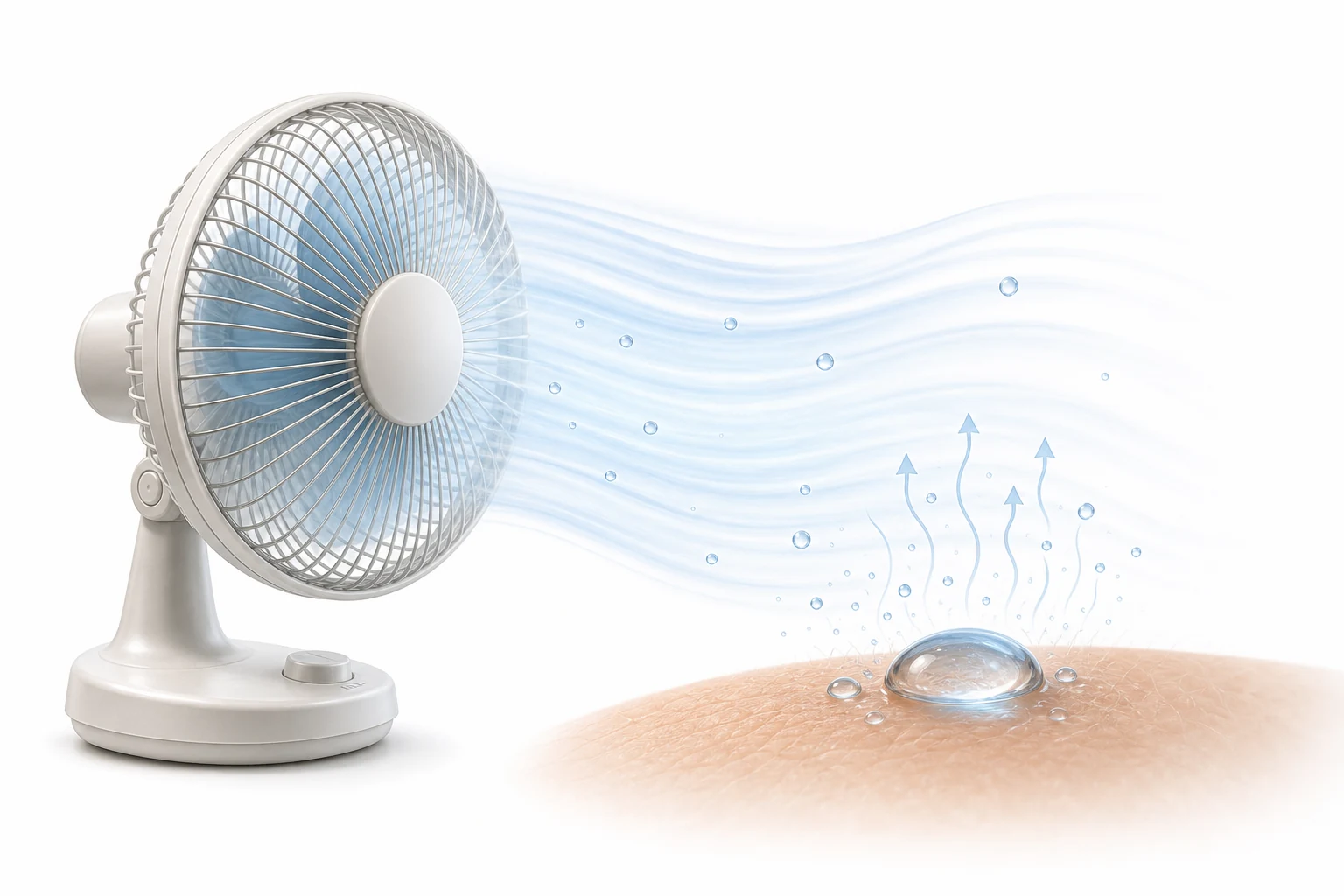
1
01. Digestion breaks food into basic molecules
Complex carbohydrates, fats, and proteins are broken into simpler sugars, fatty acids, and amino acids.
Biology & The Body
Your body is conducting thousands of chemical reactions every second, and it needs raw materials and energy to do it. You have not eaten for several hours and something unpleasant begins: distraction, irritability, a hollow ache that makes it hard to think about anything else. This is not weakness. This is a body of roughly 37 trillion cells sending a very organized message: the supply chain is running low. The answer involves ATP, the universal energy currency of life, a chemical engine that never stops running, and why you are, in a very real sense, a controlled fire.
Quick answer
We need food because our cells require a constant supply of energy to maintain structure, drive chemical reactions, repair damage, and sustain movement, and they obtain that energy almost entirely by breaking down the chemical bonds within food molecules. You do not actually run on food directly. Every cell in your body runs on a single molecule called ATP, and food is simply the raw material your body burns to make it.
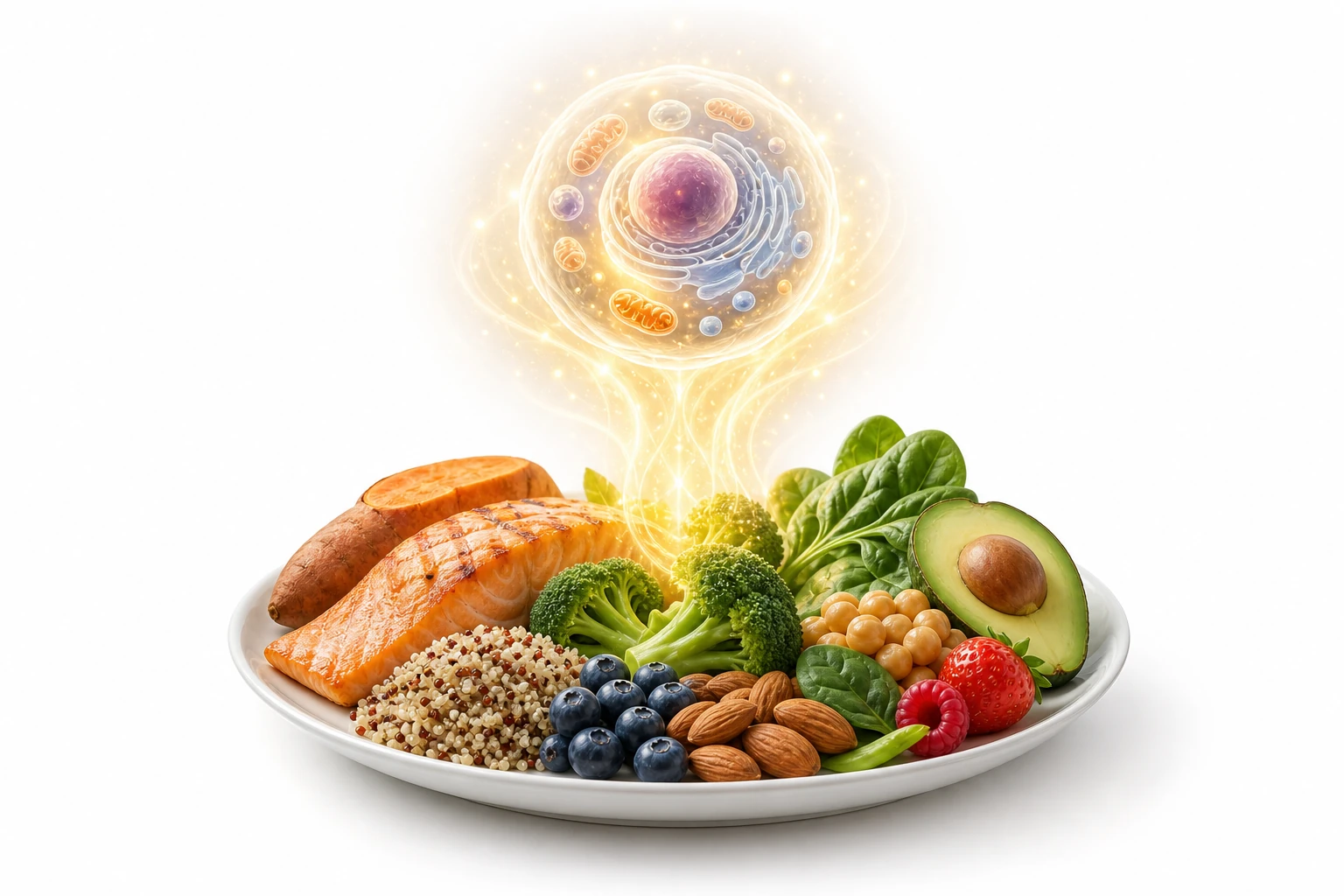
The mystery
The answer involves ATP, the universal energy currency of life, a chemical engine that never stops running, and why you are, in a very real sense, a controlled fire.
The short answer
We need food because our cells require a constant supply of energy to maintain structure, drive chemical reactions, repair damage, and sustain movement, and they obtain that energy almost entirely by breaking down the chemical bonds within food molecules.
The twist
You do not actually run on food directly. Every cell in your body runs on a single molecule called ATP, and food is simply the raw material your body burns to make it.
Common mistake
A common simplification is that food is primarily fuel for body heat.
Biology & The Body
Hunger is driven by hormones responding to blood glucose levels, gut stretch, and other signals, not just total caloric content.
The molecule that runs every living thing
First characterized in the 1920s and 1930s, ATP is now understood to be the universal energy currency of all known life on Earth.
Related questions
The brain depends almost entirely on glucose for ATP production and is highly sensitive to drops in blood sugar.
Where this understanding applies
Athletes carefully optimize carbohydrate and fat intake to maximize ATP production during different types of exertion.
Where this understanding applies
When carbohydrates are limited, the body shifts to metabolizing fats for ATP production, forming ketone bodies in the process.
Isn't food mainly about staying warm?
Heat is mostly a byproduct of metabolism, not its primary purpose; cells need food for the chemical energy required to maintain structure and drive every biological process.
Continue learning