BEHAVIORAL ECONOMICS

What Is the Default Effect? Why the Preselected Option Wins

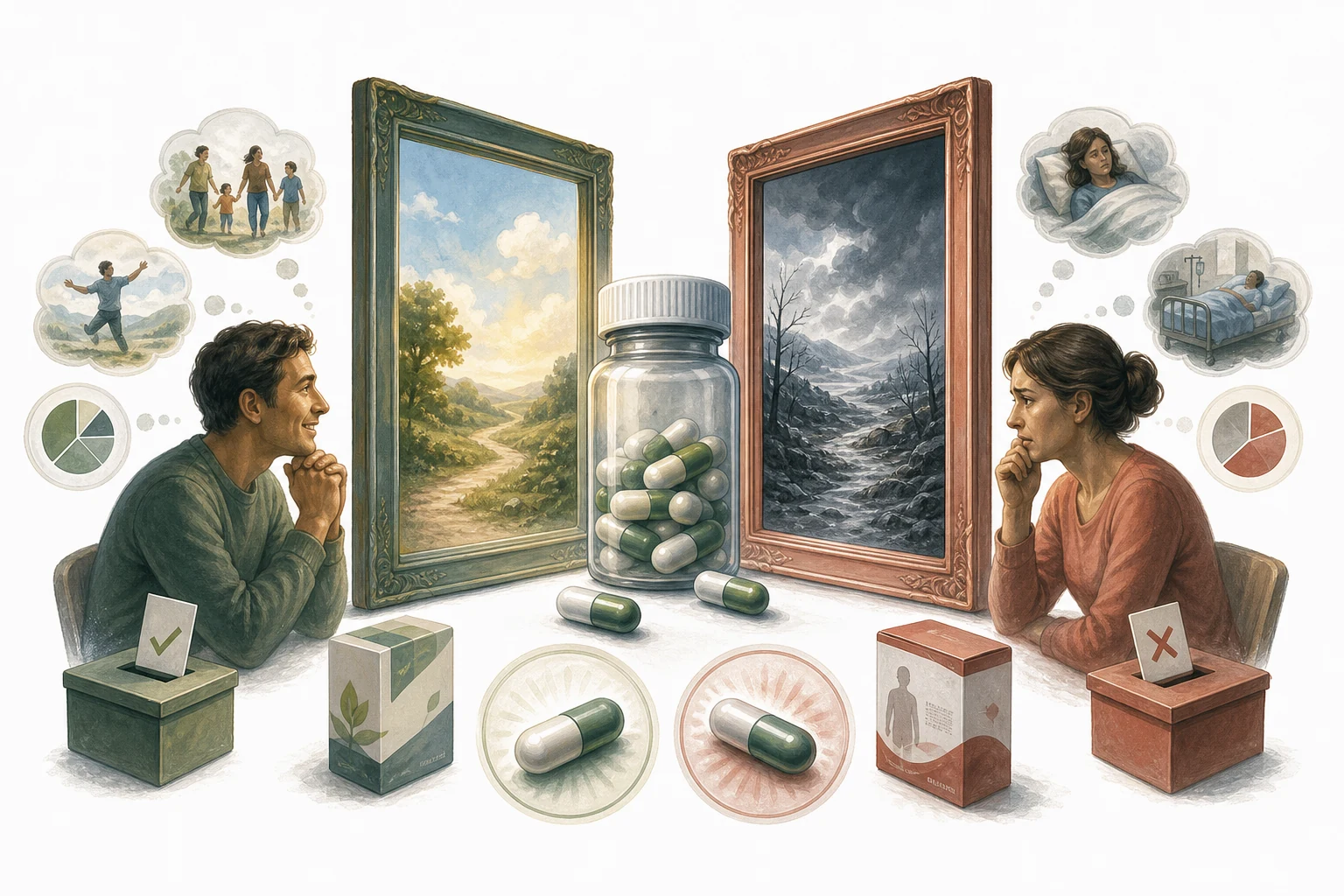
You are asked to donate your organs. You have to opt-in. You do nothing. You are not a donor. In another country, you are automatically a donor. You have to opt-out. You do nothing. You are a donor. The default effect is the cause.

Editorial illustration of a person automatically accepting a default option
Creator Classic behavioral economics conceptOrigin Behavioral EconomicsYear 1990sCategory Psychology, Economics

QUICK ANSWER

Here is the idea in plain English.

The default effect is the tendency to stick with the preselected option. It is a powerful cognitive bias. The default effect explains why organ donation rates vary by country, why retirement plans work, and why you stick with your current settings. The bias is driven by status quo bias and loss aversion.

If you remember only a few things, remember these.

The basic move

The default effect is simple: you stick with the preselected option. You do not change it. The default is the path of least resistance.

Why it matters

If you are automatically enrolled in a retirement plan, you stay enrolled. If you have to opt-in, you do not. The default makes the difference.

Use it deliberately

When designing a system, choose the default carefully. Defaults shape behavior.

CORE IDEA

The concept in its simplest useful form.

What Does the Default Effect Mean in Simple Terms?

The default effect is simple: you stick with the preselected option. You do not change it. The default is the path of least resistance.

If you are automatically enrolled in a retirement plan, you stay enrolled. If you have to opt-in, you do not. The default makes the difference.

The effect is not about being lazy. It is about being efficient. Changing the default takes effort. The default is easy.
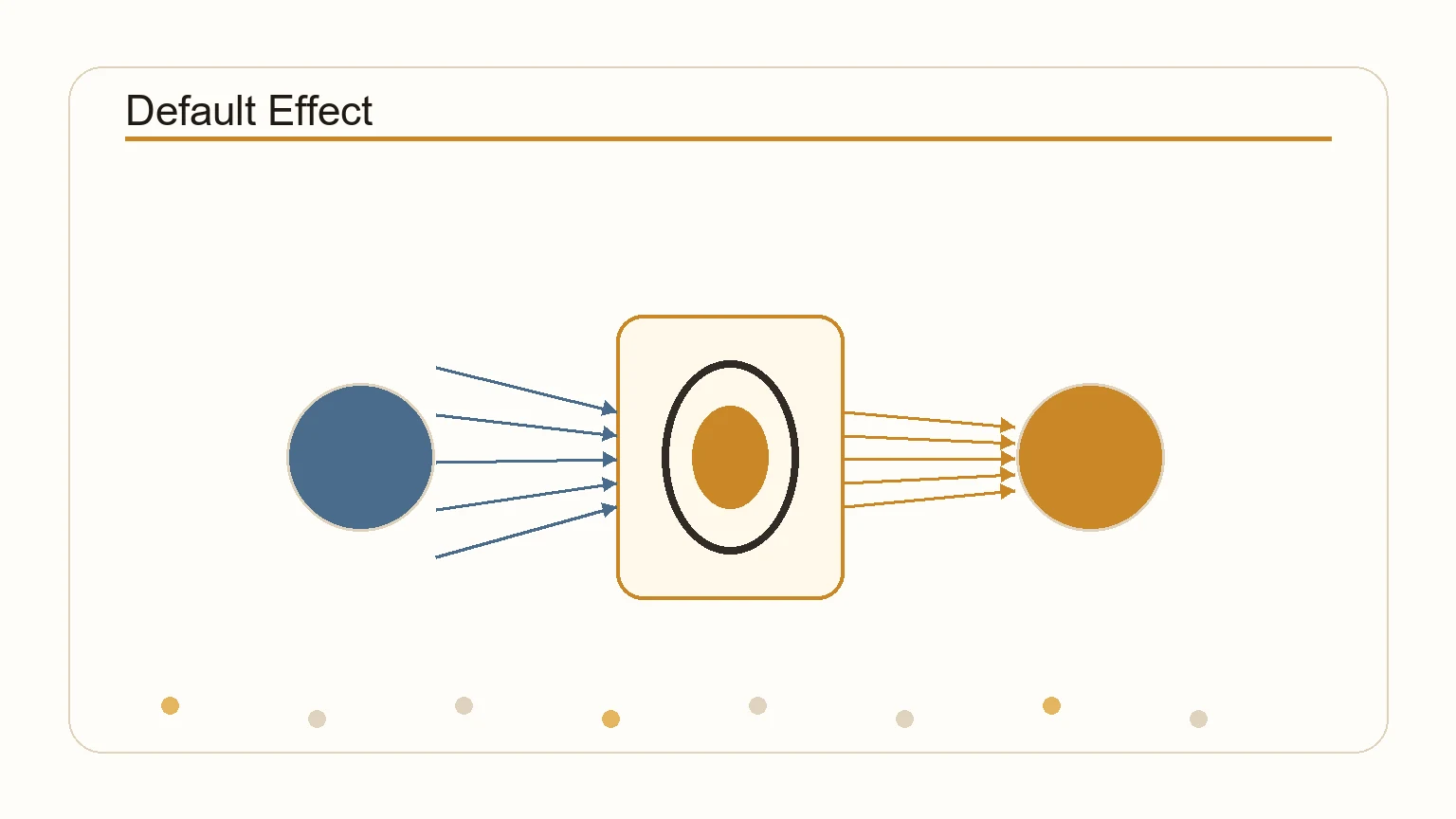
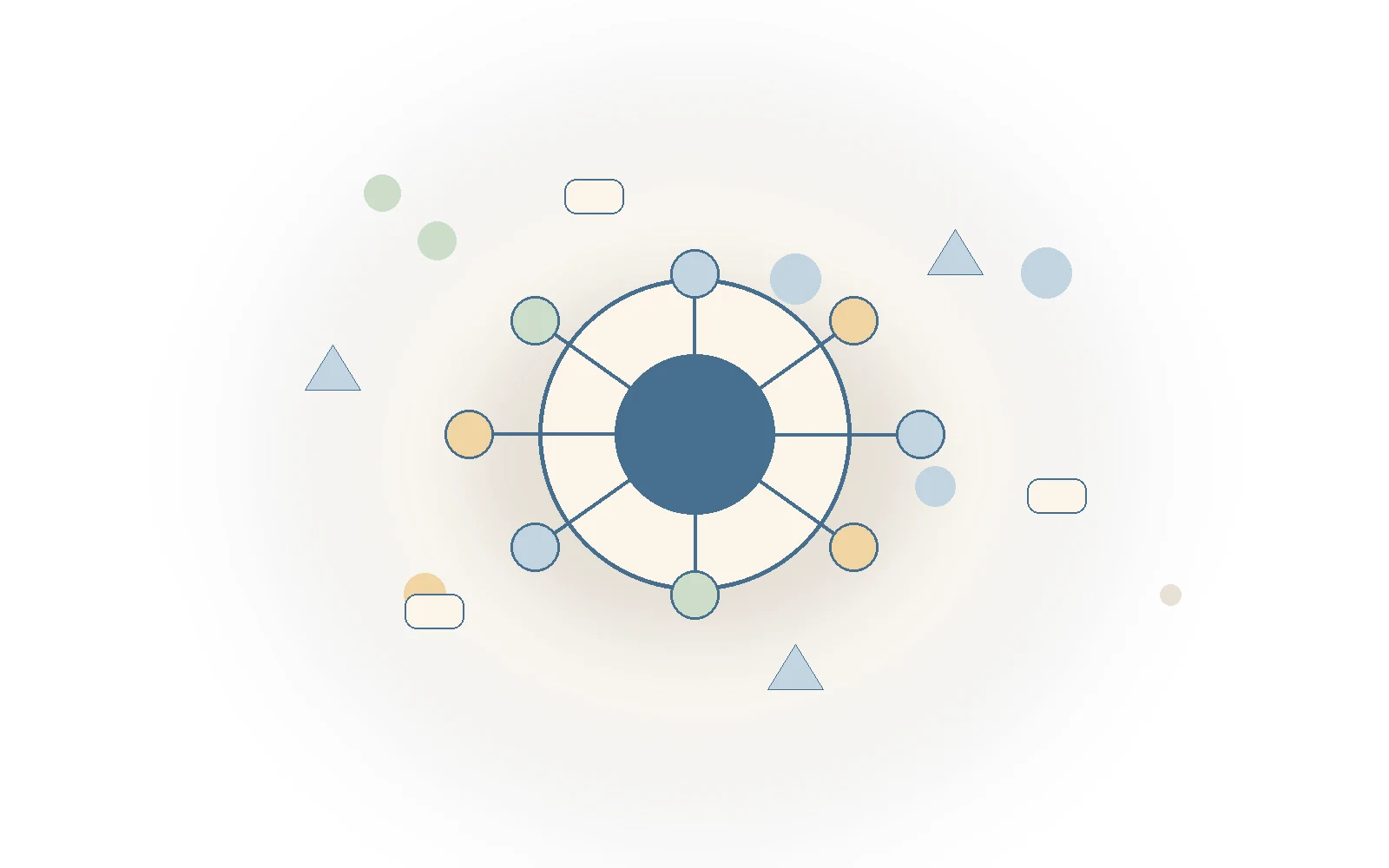
The small mechanism underneath the big idea.

01

The Story Behind the Default Effect

The default effect became famous through organ donation studies. In countries where people are automatically donors (opt-out), donation rates are above 90%. In countries where people must opt-in, rates are below 20%. The default makes the difference.

The concept was popularized by Richard Thaler and Cass Sunstein in their book 'Nudge.' They showed that defaults shape decisions in everything from retirement savings to energy consumption.

Today, the default effect is a foundational concept in behavioral economics.

02

Why the Default Effect Became Famous

The default effect became famous because it is a powerful tool for shaping behavior. It is used in organ donation, retirement planning, and public policy.

The concept was popularized by Thaler and Sunstein's book 'Nudge.'

Today, the default effect is a foundational concept in behavioral economics.

Diagram showing how default options influence decisions
A diagram showing how default options influence choices and why people stick with them.

Where this idea shows up outside the textbook.

History

Organ donation rates vary by country. Opt-out countries have higher rates. Opt-in countries have lower rates. The default is the cause.

Retirement

401(k) plans with auto-enrollment have higher participation rates. The default is the cause.

Technology

Software defaults shape user behavior. You stick with the default settings. The default is the cause.

Everyday Life

You are offered a free trial. You stick with it. The default is the cause.

CONCEPT MAP

Every idea has neighbors. This is where the current concept sits in the TinyThat knowledge graph.

Current concept

Default Effect

People tend to stick with the preselected option.

What people often get wrong about this idea.

The default effect is the same as status quo bias.

No. Status quo bias is the preference for the current state. The default effect is about preselected options. They are related but different.

Defaults are always neutral.

No. Defaults shape behavior. They are a design choice.

You can eliminate the default effect.

You cannot eliminate it. You can only design defaults carefully.

Three simple ways to apply the idea without turning it into a slogan.

1

When designing a system, choose the default carefully

When designing a system, choose the default carefully. Defaults shape behavior.

2

Use defaults to encourage positive behavior

Use defaults to encourage positive behavior. Auto-enrollment is a powerful tool.

3

Be aware of defaults in your own life

Be aware of defaults in your own life. You stick with them without thinking.

EXPLORE NEXT

The best next ideas to read after this one.

Quick answers to common questions.

What is the default effect in simple terms?

You stick with the preselected option. You do not change it. The default is the path of least resistance.

What is an example of the default effect?

In opt-out countries, organ donation rates are higher. In opt-in countries, they are lower. The default makes the difference.

How do you avoid the default effect?

Be aware of defaults. They shape your decisions without you noticing. Consider changing the default.

Why is the default effect a problem?

It can lead to suboptimal outcomes. You stick with defaults even when better options exist.