BEHAVIORAL ECONOMICS

What Is Nudge Theory? Small Changes That Shape Big Decisions

You walk into a bathroom. There is a fly on the urinal. You aim at it. You miss less. The fly is a nudge. It changes behavior without forcing you.

Editorial illustration of a person being gently nudged in a direction
Creator Richard Thaler, Cass SunsteinOrigin Behavioral EconomicsYear 2008Category Psychology, Economics

QUICK ANSWER

Here is the idea in plain English.

Nudge theory is a concept in behavioral economics that suggests small, indirect design changes can influence people's behavior. It was popularized by Richard Thaler and Cass Sunstein. Nudges are not mandates. They are gentle pushes. They preserve freedom of choice while steering behavior. Nudges are used in public policy, marketing, and everyday design.

If you remember only a few things, remember these.

The basic move

Nudge theory is simple: small design changes influence behavior. You do not force people. You gently push them in the right direction.

Why it matters

A nudge is not a mandate. You can still choose differently. But the nudge makes the better choice easier.

Use it deliberately

When designing a system, think about how to nudge behavior. What small change would help?

CORE IDEA

The concept in its simplest useful form.

What Does Nudge Theory Mean in Simple Terms?

Nudge theory is simple: small design changes influence behavior. You do not force people. You gently push them in the right direction.

A nudge is not a mandate. You can still choose differently. But the nudge makes the better choice easier.

The goal is to help people make better decisions without taking away freedom.
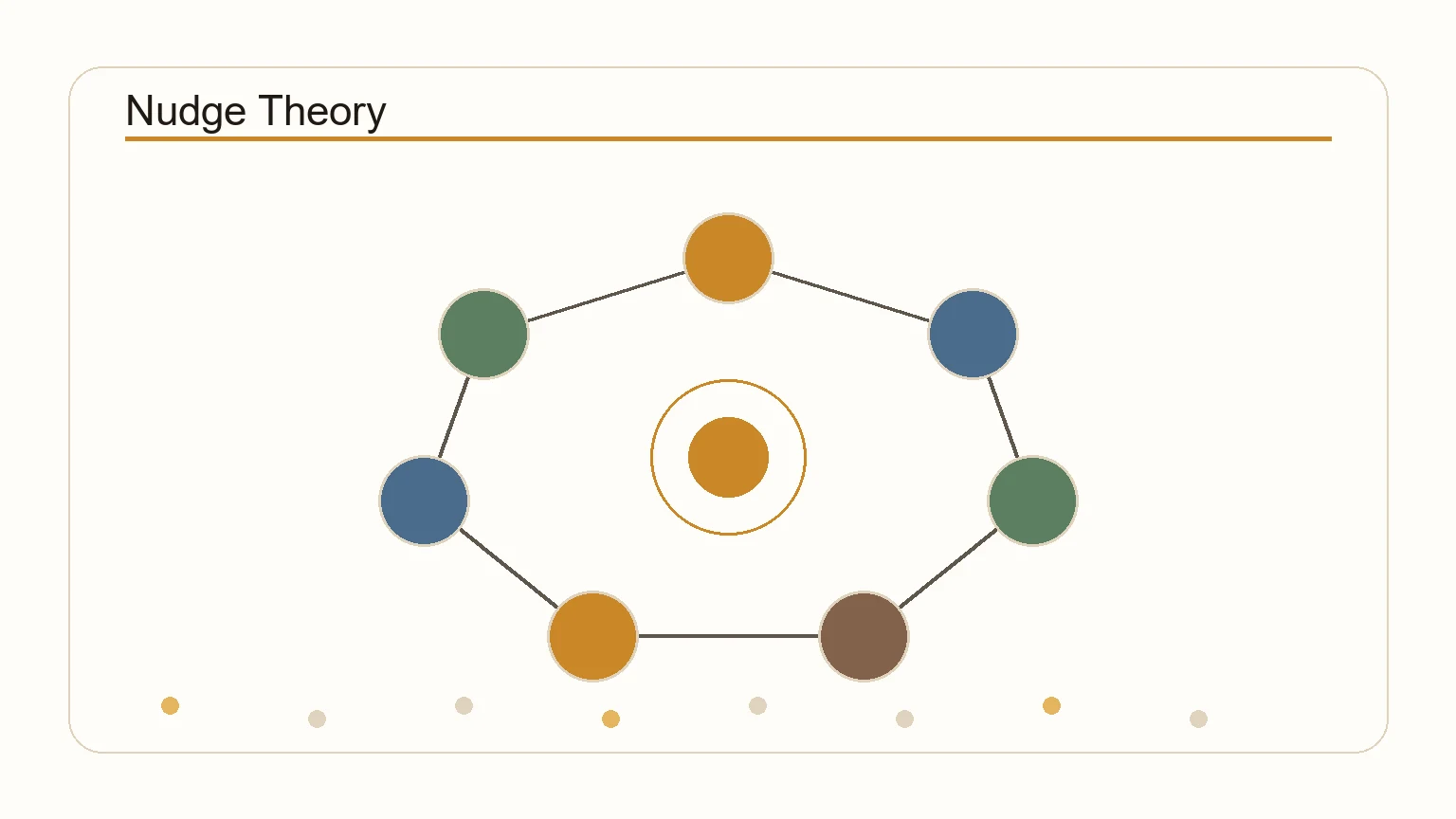
The small mechanism underneath the big idea.

01

The Story Behind Nudge Theory

Richard Thaler and Cass Sunstein published 'Nudge' in 2008. They argued that small design changes can influence behavior. They called these changes 'nudges.'

The classic example is the fly in the urinal. It reduced mess by 80%. The fly was a nudge. It changed behavior without mandating it.

Today, nudge theory is used in public policy, marketing, and design.

02

Why Nudge Theory Became Famous

Nudge theory became famous because it is a powerful tool for shaping behavior. It is used in health, finance, and public policy.

The concept was popularized by Thaler and Sunstein's book. Thaler won the Nobel Prize in Economics for his work.

Today, nudge theory is a foundational concept in behavioral economics.

Diagram showing how nudges work in behavioral economics
A diagram showing how nudges work: small design changes that influence behavior without mandates.

Where this idea shows up outside the textbook.

History

The fly in the urinal is the classic example. It reduced mess by 80%. The fly was a nudge.

Health

Cafeterias arrange healthy food at eye level. It is a nudge. It encourages healthy eating.

Finance

Auto-enrollment in retirement plans is a nudge. It encourages saving.

Technology

Social media notifications are a nudge. They encourage engagement.

CONCEPT MAP

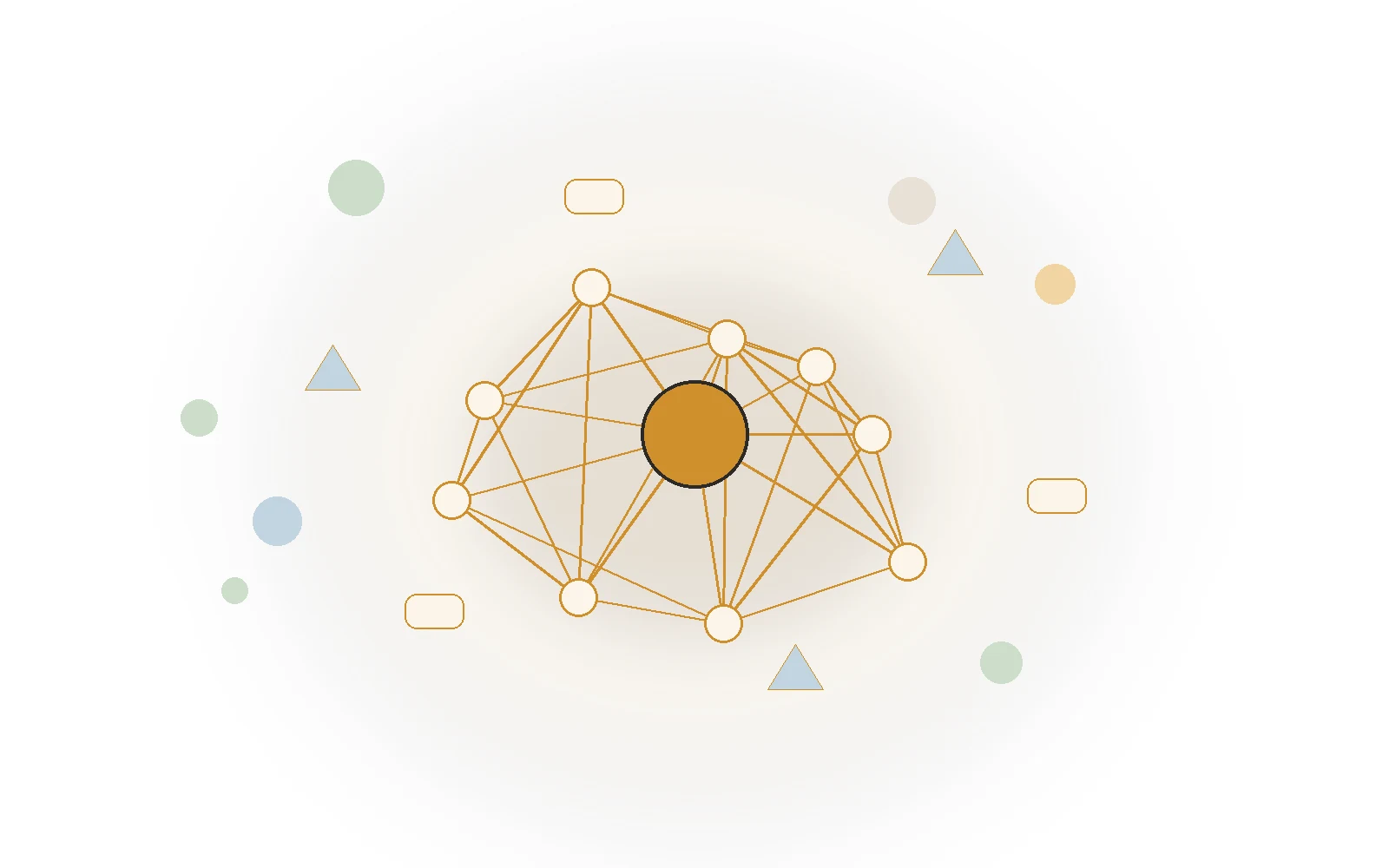
Every idea has neighbors. This is where the current concept sits in the TinyThat knowledge graph.

Current concept

Nudge Theory

Small design changes steer behavior without removing choice.

What people often get wrong about this idea.

Nudge theory is manipulation.

No. It is design. Nudges preserve freedom of choice. They are not mandates.

Nudges always work.

No. Nudges are not always effective. They must be designed carefully.

Nudge theory takes away freedom.

No. It preserves freedom. It gently guides behavior.

Three simple ways to apply the idea without turning it into a slogan.

1

When designing a system, think about how to nudge behavior

When designing a system, think about how to nudge behavior. What small change would help?

2

Use defaults, social norms, and design to nudge

Use defaults, social norms, and design to nudge. The nudge should be gentle.

3

Be aware of nudges in your own life

Be aware of nudges in your own life. You are being influenced without knowing it.

EXPLORE NEXT

The best next ideas to read after this one.

Quick answers to common questions.

What is nudge theory in simple terms?

Small design changes influence behavior. You are gently pushed in the right direction. You still have a choice.

What is an example of nudge theory?

A fly in a urinal reduces mess. The fly is a nudge. It changes behavior without forcing it.

How do you use nudge theory?

Design systems to gently guide behavior. Use defaults, social norms, and layout.

Why is nudge theory a problem?

It can be used for manipulation. The design of nudges is not always in your interest.