Visual answer
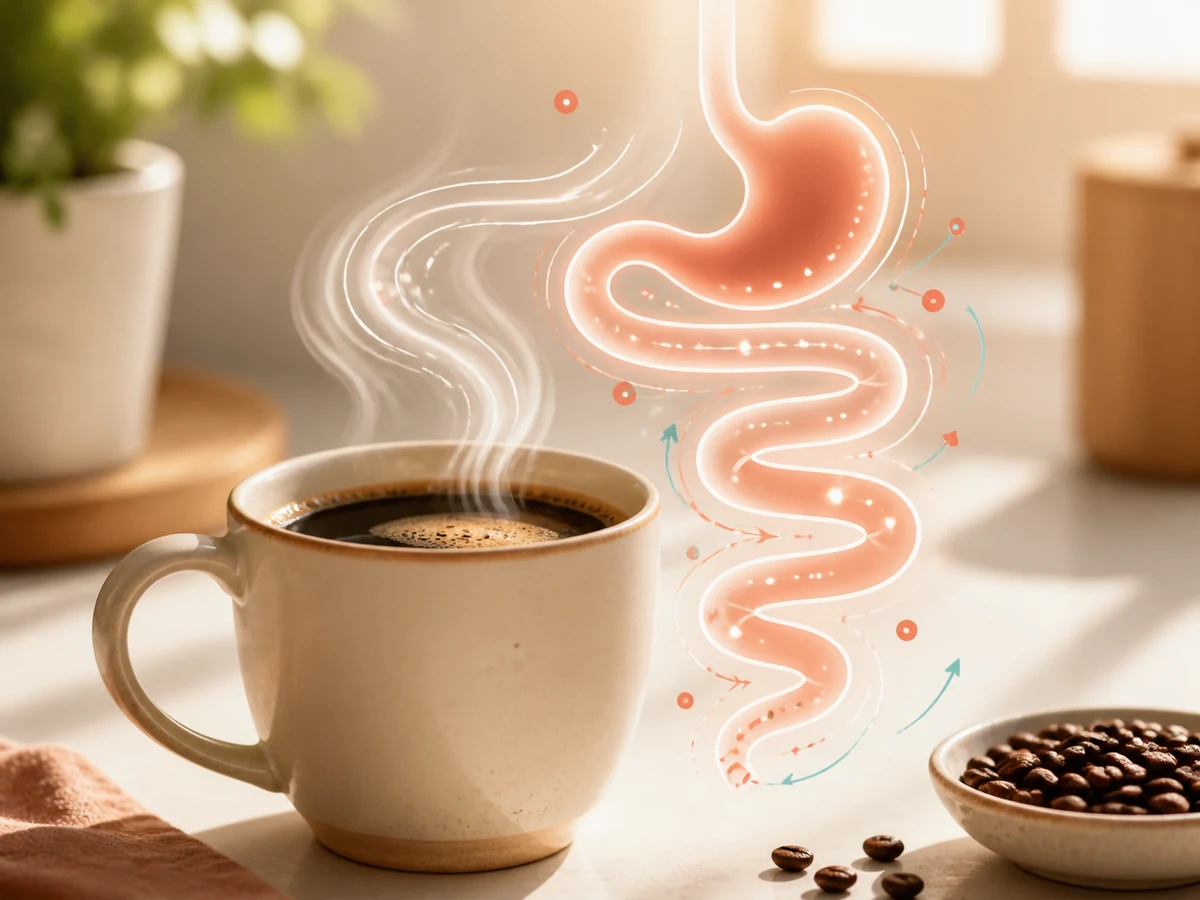
How Gas Moves From the Stomach to Produce a Burp
From gas accumulation to sphincter opening to the characteristic sound.
Gas accumulates in the stomach
Swallowed air and gas from fermentation of food by gut bacteria collect in the fundus (top portion) of the stomach, where gas naturally rises above liquid content.
Pressure overcomes the lower esophageal sphincter
As gas volume increases, pressure against the lower esophageal sphincter rises. The sphincter relaxes transiently, a process called transient lower esophageal sphincter relaxation, allowing gas to escape upward.
Gas travels up the esophagus
The gas column moves rapidly upward through the esophagus. Peristaltic movement is temporarily reversed or simply bypassed by the pressure differential.
The upper esophageal sphincter produces the sound
Gas exits through the upper esophageal sphincter and pharynx into the mouth. The sphincter tissue vibrates at the gas velocity, producing the characteristic low-pitched sound.
Swallowed air
Most Stomach Gas Comes From Swallowed Air, Not Digestion
The technical term for excessive air swallowing is aerophagia. Most people swallow small amounts of air with every bite and sip, but the rate increases significantly when eating quickly, talking while eating, drinking through straws, chewing gum, or experiencing anxiety. Anxious people tend to swallow more frequently even without eating, accumulating air passively.
Babies need to be burped because their immature digestive systems do not manage swallowed air as efficiently as adults. They swallow large amounts of air during feeding, especially from bottles where the flow rate can be too fast or too slow, causing more air ingestion. The gas causes pain and distress when it cannot be released, which is why burping a baby after feeding is genuinely necessary for their comfort.
GERD (gastroesophageal reflux disease) is closely related to burping. The transient lower esophageal sphincter relaxations that allow gas to escape also allow stomach acid to reflux into the esophagus. People with frequent burping often have more frequent transient relaxations, which puts them at higher risk for acid reflux symptoms.
Myth vs reality
Myth vs Reality
What people think
Burping is mainly caused by carbonated drinks
Carbonated beverages do cause immediate burping due to rapid CO2 release in the stomach. But for most people, aerophagia (swallowed air) is the dominant source of stomach gas throughout the day. Non-carbonated-drink consumers still burp regularly because they constantly swallow air.
What actually happens
Everything you swallow comes with air
Eating, drinking, mouth breathing, anxiety swallowing, and talking all introduce air into the digestive tract. The average person swallows one to four liters of air daily even without consuming carbonated beverages.
Quick answers
Common questions
Why does burping sometimes bring up stomach acid? +
The transient lower esophageal sphincter relaxation that releases gas does not discriminate. If stomach acid is near the sphincter when it opens, acid can enter the esophagus along with the gas. This is called wet burping or reflux and is more common in people with GERD.
Why do some foods cause more burping? +
Beans, cabbage, onions, and other fermentable carbohydrates increase gut bacterial gas production. Carbonated drinks add CO2 directly. Swallowing quickly or eating without chewing thoroughly increases air intake. Foods high in fat slow gastric emptying, giving more time for gas accumulation.
Is it possible to burp on demand? +
Yes. The mechanism is supragastric belching, where air is pulled into the esophagus voluntarily rather than coming from the stomach. Professional competitive burpers and some people who learned to burp as children use this mechanism.
Why do burps sometimes smell bad? +
Burps that smell like rotten eggs contain hydrogen sulfide gas produced by gut bacteria fermenting sulfur-containing foods. Strong food odors also travel upward. Persistent bad-smelling burps, especially after eating, can indicate delayed gastric emptying or, rarely, a gastric infection with H. pylori.
Can excessive burping indicate a health problem? +
Frequent burping combined with heartburn suggests GERD. Burping with bloating and abdominal pain may indicate IBS or gastroparesis. New onset excessive burping in an adult without obvious dietary cause is worth discussing with a doctor.