Everyday Science

Why Does Water Put Out Fire?

Two of nature's most dramatic forces, and one of them always wins. Fire seems unstoppable right up until a bucket of water arrives, at which point it simply gives up - hissing, smoking, and surrendering within seconds. It looks simple. It is not. Water is, in fact, fighting fire on three separate fronts at once. The answer involves stealing heat, starving flames of oxygen, and a chemical fire triangle that water manages to break in two different places simultaneously.

Quick answer

Water extinguishes fire mainly by absorbing huge amounts of heat as it evaporates, cooling burning material below the temperature needed to sustain combustion, while also creating a barrier of steam that displaces the oxygen fire needs to keep burning. Water does not work on every type of fire - throwing it on a grease or electrical fire can make things dramatically, dangerously worse.
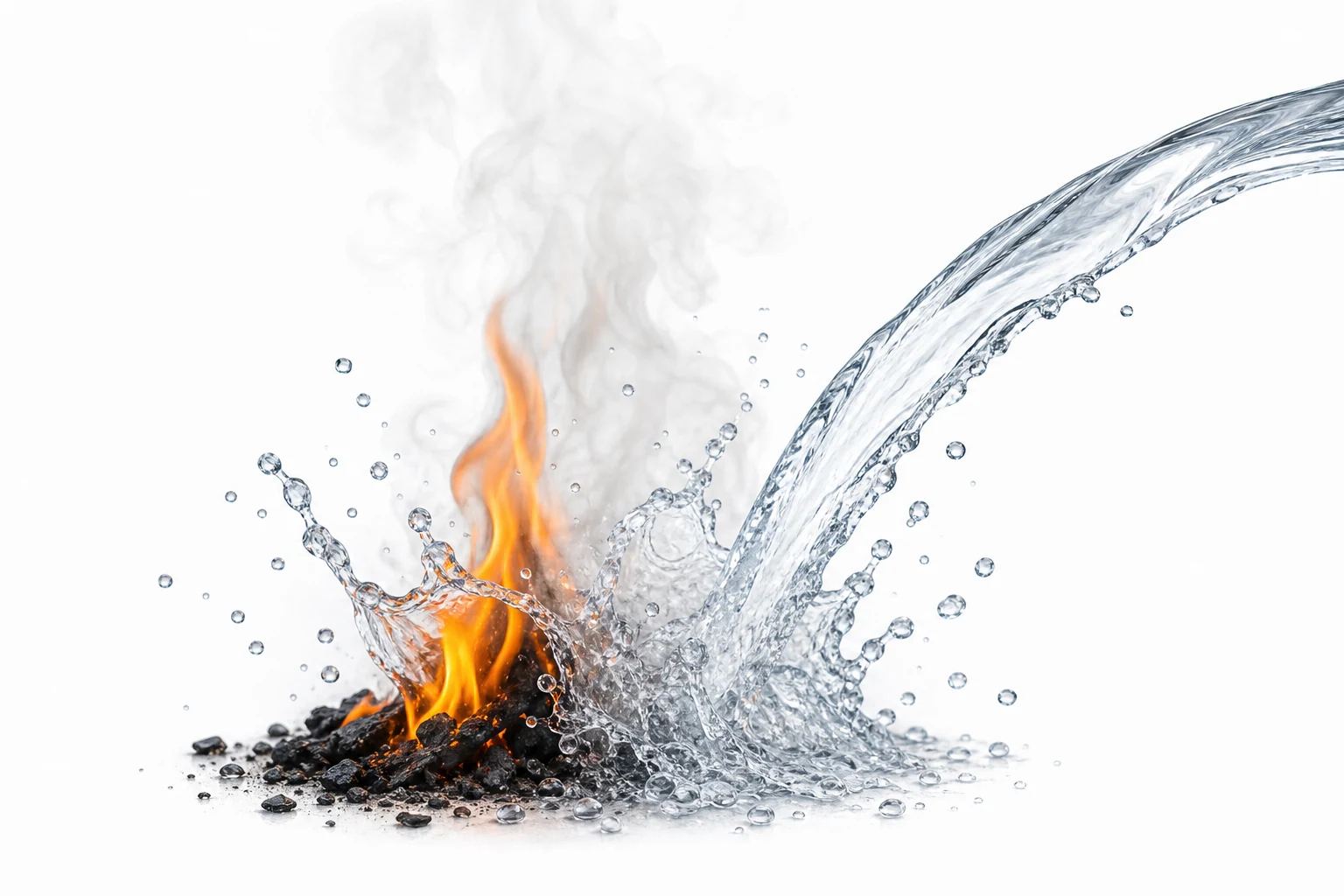
Why Does Water Put Out Fire? hero image

The mystery

The answer involves stealing heat, starving flames of oxygen, and a chemical fire triangle that water manages to break in two different places simultaneously.

The short answer

Water extinguishes fire mainly by absorbing huge amounts of heat as it evaporates, cooling burning material below the temperature needed to sustain combustion, while also creating a barrier of steam that displaces the oxygen fire needs to keep burning.

The twist

Water does not work on every type of fire - throwing it on a grease or electrical fire can make things dramatically, dangerously worse.

Common mistake

A common assumption is that water is a universally safe and effective method for extinguishing any fire.

Fire needs three things, and water attacks two of them

Combustion depends on a delicate balance of heat, fuel, and oxygen, often called the fire triangle - and water is remarkably good at disrupting two of the three.

Water is an extraordinary heat thief

Water has an unusually high heat capacity and an even higher heat of vaporization, meaning it absorbs an enormous amount of energy before it boils away.

When poured on fire, water rapidly soaks up the heat keeping nearby fuel hot enough to keep burning, cooling it below its ignition point.

Water does not just dampen fire; it physically robs it of the heat it depends on to survive.

Steam pushes oxygen away

As water boils off rapidly near flames, it expands into steam roughly 1,700 times its liquid volume, forming a barrier that displaces the oxygen surrounding the fire.

Without enough oxygen, the chemical reaction of combustion simply cannot continue.

The hiss of water hitting fire is the sound of steam quietly shoving oxygen out of the room.

Why some fires fight back against water

Grease fires and certain metal fires can react violently with water, sometimes causing the burning material to splatter explosively or even react chemically to intensify the flames.

Electrical fires pose an added danger because water conducts electricity, risking shock if used on live equipment.

Water's biggest weakness is that it assumes every fire wants to be put out the same way.

How water defeats a fire, step by step

Several mechanisms work together almost instantly once water meets flame.

1

01. Water contacts burning fuel

Liquid water spreads across the hot surface of whatever is burning.

2

02. Heat rapidly transfers into the water

Water absorbs enormous thermal energy as it heats and begins to boil.

3

03. Steam displaces oxygen

Expanding water vapor pushes oxygen-rich air away from the fire's surface.

4

04. Combustion temperature drops below ignition point

Cooled fuel can no longer sustain the chemical reaction needed for fire.

Why water's chemistry makes it so effective

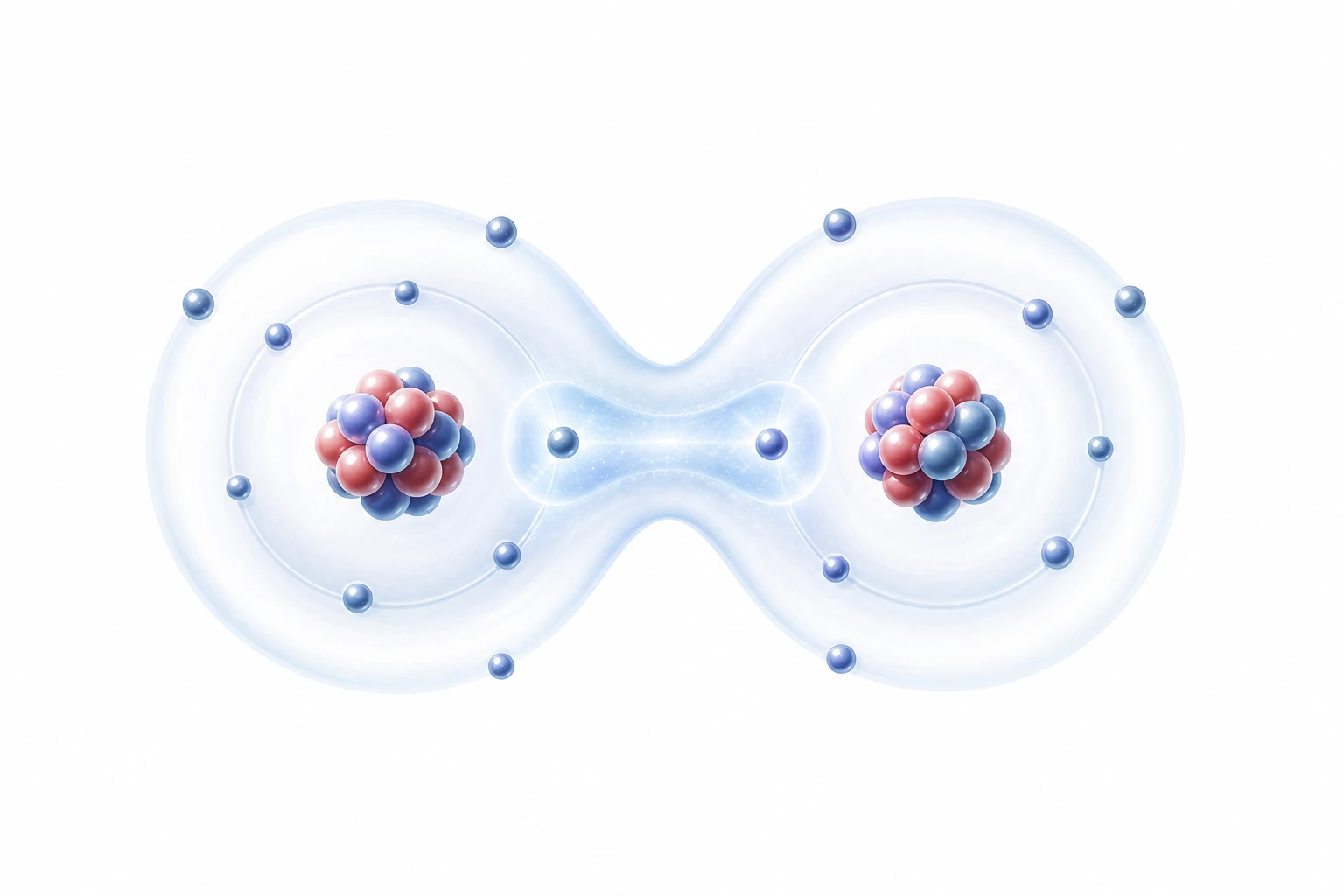
Water's high heat capacity comes from the strong hydrogen bonds between its molecules, which require significant energy to break apart during evaporation.

This same property that makes oceans resist rapid temperature swings is exactly what makes water such an effective, if occasionally dangerous, firefighting tool.

Surprising firefighting facts

Some fires need foam, not water
Firefighting foam smothers fuel-based fires by blocking oxygen far more effectively than water alone.
Metal fires can react explosively with water
Certain burning metals react chemically with water to release flammable hydrogen gas, worsening the fire.
Water mist systems use the steam effect deliberately
Fine water mist maximizes surface area for rapid evaporation, cooling and smothering fires very efficiently.

Doesn't water put out all fires the same way?

Myth

A common assumption is that water is a universally safe and effective method for extinguishing any fire.

Water's effectiveness on ordinary household fires creates a strong, generalized assumption that does not hold for every fire type.

Reality

Water is dangerous or ineffective on grease, electrical, and certain metal fires, where other methods like foam, dry chemicals, or smothering are required instead.

Water is dangerous or ineffective on grease, electrical, and certain metal fires, where other methods like foam, dry chemicals, or smothering are required instead.

Where fire-suppression chemistry matters

Kitchen grease fires
These require smothering with a lid or fire blanket, since water can cause the burning oil to splatter violently.
Wildfire suppression
Firefighters often use water in combination with fire retardant chemicals to cool and slow advancing flames.

Why understanding this can be lifesaving

Knowing which fires water can and cannot safely extinguish is a basic but critical piece of fire safety knowledge.

Misapplying water to the wrong type of fire is a leading cause of severe burns and property damage during kitchen fire incidents.

Worth noting

A simple liquid with a complicated job

Water defeats fire through cooling and smothering at the same time, a quietly elegant double attack disguised as something as ordinary as a garden hose. Fire has only ever had one real rival, and it has been winning the fight since long before anyone built the first fire extinguisher.

Quick answers

Common questions

Can water be used on an electrical fire?

Not if the power source is still live, since water conducts electricity and risks electrocuting whoever is fighting the fire.

Why does pouring a small amount of water sometimes make a fire worse?

A small amount can scatter burning material or generate sudden bursts of steam without fully cooling the fuel below its ignition point.

Everyday Science

Related questions

Water sinks beneath the hot oil and instantly turns to steam, violently splattering burning grease outward.

The concept behind the fire triangle

The Fire Triangle Model

A foundational firefighting concept describing the three elements - heat, fuel, and oxygen - required for combustion.

Related questions

Why do firefighters sometimes use foam instead of water?

Foam creates a smothering oxygen barrier that water alone cannot maintain on certain fuel types.

Where fire-suppression chemistry matters

Kitchen grease fires

These require smothering with a lid or fire blanket, since water can cause the burning oil to splatter violently.

Where fire-suppression chemistry matters

Wildfire suppression

Firefighters often use water in combination with fire retardant chemicals to cool and slow advancing flames.

Doesn't water put out all fires the same way?

Water is dangerous or ineffective on grease, electrical, and certain metal fires, where other methods like foam, dry chemicals, or smothering are required instead.

Water is dangerous or ineffective on grease, electrical, and certain metal fires, where other methods like foam, dry chemicals, or smothering are required instead.