1
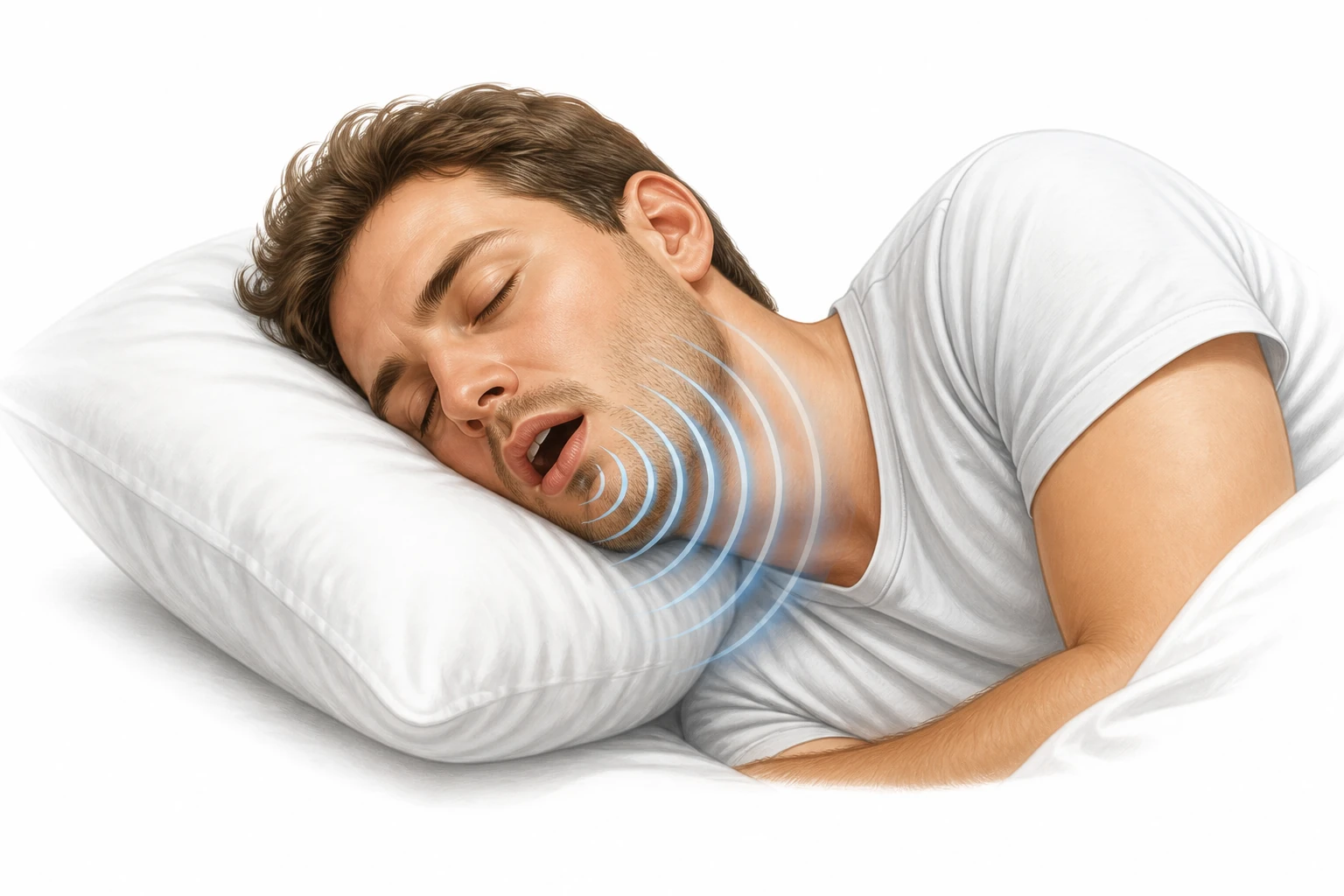
01. Consciousness returns while REM suppression continues
The brain wakes up in the wrong order, restoring awareness before releasing muscle control.
Biology & The Body
Waking up unable to move, while something lurks at the edge of the room - and the scientific explanation is, if anything, stranger than the ghost story. You wake up but cannot move. Something is sitting on your chest. A shadow stands in the corner of the room. For most of human history, this experience was explained by demons, witches, and night hags. Science eventually offered an explanation that is almost equally unsettling, for entirely different reasons. The answer involves your brain forgetting to turn itself back on in the right order, a survival mechanism that briefly misfires, and why almost every culture in history has a supernatural explanation for the same experience.
Quick answer
Sleep paralysis happens when the brain wakes up partially, regaining consciousness before switching off the muscle paralysis that normally prevents you from physically acting out dreams, leaving you awake but unable to move, often accompanied by vivid hallucinations generated by a mind still half in the dream state. The paralysis itself is a protective feature, not a malfunction - it is the same mechanism that stops you from punching the wall while dreaming about boxing.
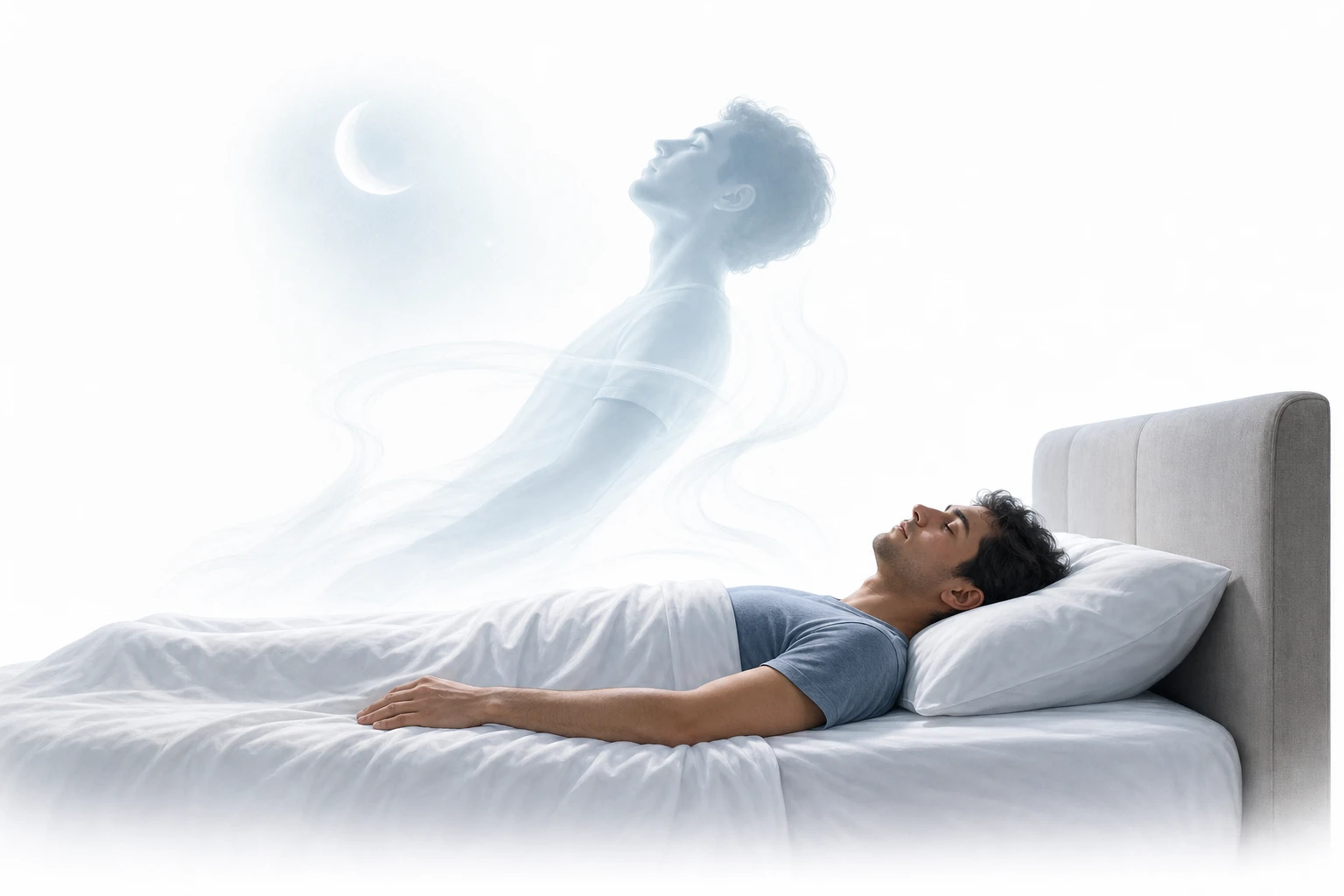
The mystery
The answer involves your brain forgetting to turn itself back on in the right order, a survival mechanism that briefly misfires, and why almost every culture in history has a supernatural explanation for the same experience.
The short answer
Sleep paralysis happens when the brain wakes up partially, regaining consciousness before switching off the muscle paralysis that normally prevents you from physically acting out dreams, leaving you awake but unable to move, often accompanied by vivid hallucinations generated by a mind still half in the dream state.
The twist
The paralysis itself is a protective feature, not a malfunction - it is the same mechanism that stops you from punching the wall while dreaming about boxing.
Common mistake
Many people who experience sleep paralysis assume something is seriously wrong with their health.
Biology & The Body
The combination of helplessness, vivid hallucinations, and a still-active emotional brain creates conditions specifically designed to feel threatening.
The painting that documented a universal experience
The Swiss-British artist whose 1781 painting 'The Nightmare' is now widely interpreted as one of history's most famous depictions of sleep paralysis.
Related questions
Consistent sleep schedules, adequate sleep, and reducing stress significantly lower the frequency of episodes.
Where sleep paralysis appears in culture
The famous 1781 painting depicts a sleeping woman with a demon sitting on her chest, almost certainly depicting a sleep paralysis experience.
Where sleep paralysis appears in culture
Sleep paralysis has independently generated supernatural explanations in virtually every culture that documented it.
Is sleep paralysis a sign of a serious condition?
Isolated episodes of sleep paralysis are common, generally harmless, and often linked to simple sleep disruption rather than any underlying medical condition.
Continue learning