Everyday Life

Why Does Shampoo Run Out Before Conditioner?

A bottle imbalance that has quietly irritated the world for decades. The shampoo finishes. The conditioner continues quietly existing for weeks, possibly months, a constant reminder of a ratio nobody asked for. It happens so consistently, across so many households, that it has the quality of a natural law. It is not quite that, but the explanation is simple enough to feel like it should have been obvious all along. The answer involves usage habits, bottle volumes, a small piece of hair science, and the reason most people use significantly more shampoo than conditioner without realizing it.

Quick answer

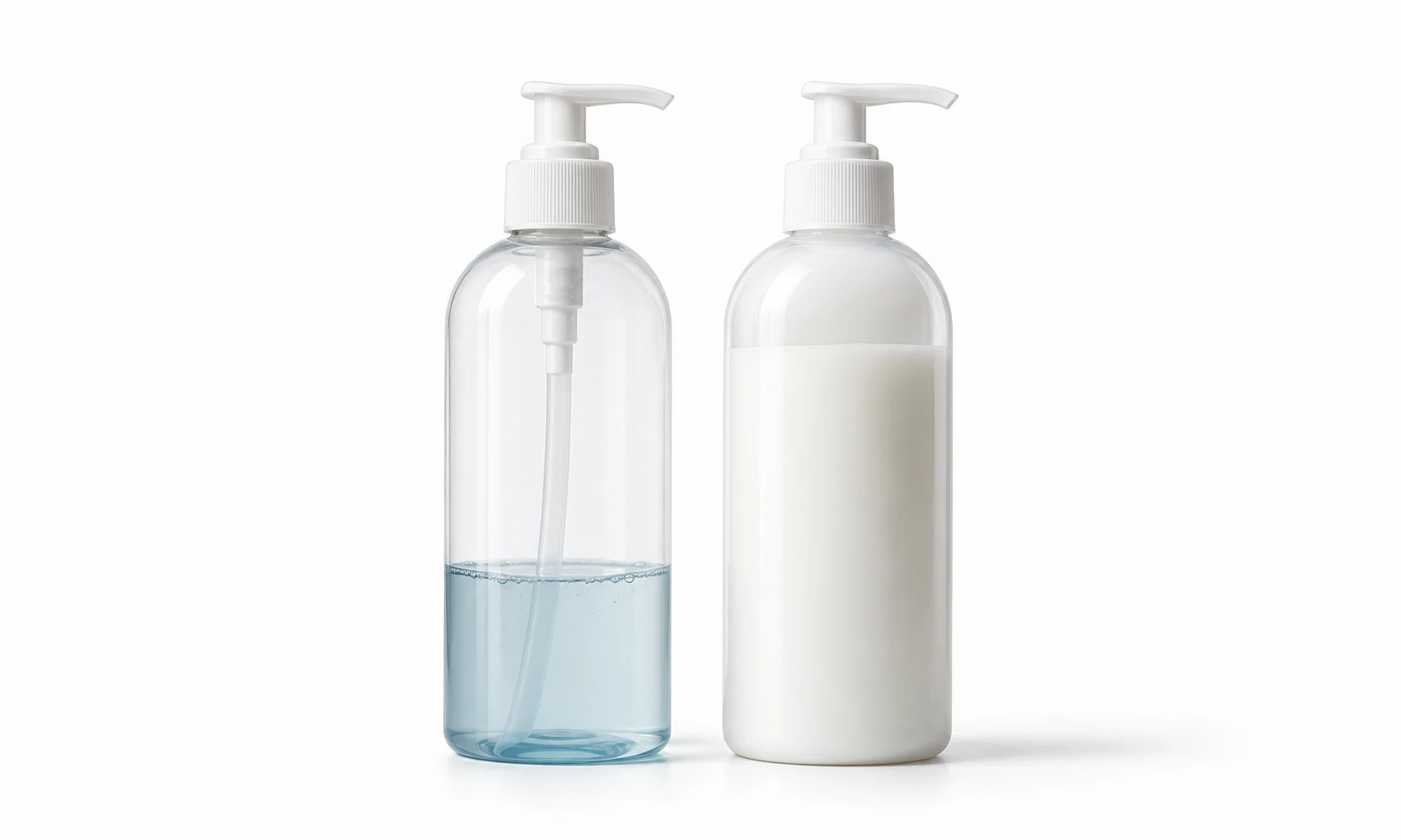
Shampoo typically runs out before conditioner because most people use more shampoo per wash - applying it to the entire scalp and hair and rinsing thoroughly - while conditioner is often used in smaller amounts, applied only to the lengths and ends, and not fully rinsed through all the hair in the same way. Shampoo and conditioner bottles sold as matching pairs typically contain the same volume, even though the intended usage rates are different - a packaging decision that guarantees the mismatch for most users.
Why Does Shampoo Run Out Before Conditioner? hero image

The mystery

The answer involves usage habits, bottle volumes, a small piece of hair science, and the reason most people use significantly more shampoo than conditioner without realizing it.

The short answer

Shampoo typically runs out before conditioner because most people use more shampoo per wash - applying it to the entire scalp and hair and rinsing thoroughly - while conditioner is often used in smaller amounts, applied only to the lengths and ends, and not fully rinsed through all the hair in the same way.

The twist

Shampoo and conditioner bottles sold as matching pairs typically contain the same volume, even though the intended usage rates are different - a packaging decision that guarantees the mismatch for most users.

Common mistake

Some assume conditioner lasts longer because it is thicker or more concentrated.

It comes down to how each product is actually used

The shampoo-conditioner imbalance is almost entirely a product of different usage patterns, not bottle sizes.

Shampoo is typically applied more liberally

Shampoo works by creating lather that lifts dirt and oil from the scalp, and most people instinctively apply it to the whole head, work it through the hair from roots to ends, and rinse everything thoroughly.

This typically uses a larger volume per application than most styling or conditioning products.

Shampoo asks to be spread everywhere. Conditioner, by design, is supposed to stay put.

Conditioner is intended for a more targeted application

Hair care guidance consistently recommends applying conditioner primarily to the lengths and ends of hair, away from the scalp, since the root area is already naturally moisturized by scalp oils.

This targeted application uses significantly less product per wash, even if the user believes they are applying equal amounts.

Most conditioner bottle directions quietly suggest using far less product than the matching shampoo, but the bottles are the same size.

Manufacturers sell matching volumes for commercial, not scientific, reasons

Shampoo and conditioner are typically sold in identical bottle sizes as a product line aesthetic decision, despite the fact that the ideal usage ratio is not 1:1 for most people.

This creates a structurally guaranteed mismatch for any household that follows hair care guidance even approximately.

Matching bottle sizes are a packaging decision, not a hair science decision, and the imbalance is its direct consequence.

The arithmetic of the imbalance

A short sequence explains why equal bottles do not produce equal consumption.

1

01. Equal-volume bottles are purchased

Matched product lines contain the same amount of shampoo and conditioner.

2

02. Shampoo is applied to the full head and hair

Whole-scalp application uses more product per wash.

3

03. Conditioner is applied to ends and lengths only

Partial application uses significantly less product per wash.

4

04. Shampoo runs out first, conditioner continues

The consumption rate difference depletes the shampoo bottle weeks before the conditioner.

Why it feels like a conspiracy but is not

The matching bottle size decision is almost certainly commercial rather than conspiratorial, since having customers run out of one product faster means they purchase only that product more frequently, creating an uneven purchase pattern.

There are two-in-one combination products precisely for people who find managing this imbalance frustrating enough to eliminate it.

Surprising facts about the imbalance

Some brands actually sell conditioner in larger bottles
Hair care brands targeting audiences with very long or thick hair sometimes sell larger conditioner volumes to match actual usage rates.
Hair texture dramatically changes the ratio
People with very curly or coiled hair often use much more conditioner than shampoo, and may experience the opposite problem.
Co-washing inverts the problem entirely
Some hair care routines use conditioner as a cleanser instead of shampoo, leading to the conditioner running out far faster.

Is conditioner somehow thicker so it lasts longer?

Myth

Some assume conditioner lasts longer because it is thicker or more concentrated.

Conditioner's richer, creamier texture creates an intuitive sense that it is more concentrated and should logically last longer.

Reality

Conditioner lasts longer primarily because of usage patterns, not product density - a thicker texture does not necessarily mean less product is used per application.

Conditioner lasts longer primarily because of usage patterns, not product density - a thicker texture does not necessarily mean less product is used per application.

Where similar mismatched consumption rates appear

Toothpaste and floss
Most people use far more toothpaste relative to floss than dentists would ideally recommend, producing a similar consumption imbalance.
Printer ink cartridges
Cyan, magenta, yellow, and black ink cartridges deplete at very different rates depending on what is being printed, creating a comparable mismatch.

Why this trivial frustration reveals something larger

The shampoo-conditioner imbalance is a minor but clear example of products being packaged for visual symmetry rather than actual usage optimization.

It illustrates how product design decisions that prioritize aesthetics over function can create consistent small frictions for consumers.

Worth noting

Equal bottles, unequal lives

The shampoo-conditioner mismatch is a small domestic frustration that has been baked into the design of bathroom products for decades, without anyone considering it important enough to fix. The conditioner sits there in the shower, outlasting the shampoo by weeks, silent evidence of a decision made by a packaging team.

Quick answers

Common questions

Does hair type affect the shampoo-conditioner ratio?

Significantly - curly, coiled, or very dry hair types typically use substantially more conditioner relative to shampoo than straight or oily hair types.

What to do with leftover conditioner?

Many people use the excess as a leave-in conditioner, shaving cream substitute, or simply purchase a new shampoo without a matching conditioner.

Everyday Life

Related questions

Some brands do sell conditioner in larger volumes, and increasingly offer size options, though the matching pair remains the default.

The consumer products industry and matched packaging

Paired Product Packaging

The practice of selling complementary products in matched sizes, pioneered by cosmetics and personal care brands in the mid-20th century.

Related questions

How much conditioner should actually be used per wash?

A coin-sized amount is the general recommendation for average hair length, focused on the ends rather than the scalp.

Where similar mismatched consumption rates appear

Toothpaste and floss

Most people use far more toothpaste relative to floss than dentists would ideally recommend, producing a similar consumption imbalance.

Where similar mismatched consumption rates appear

Printer ink cartridges

Cyan, magenta, yellow, and black ink cartridges deplete at very different rates depending on what is being printed, creating a comparable mismatch.

Is conditioner somehow thicker so it lasts longer?

Conditioner lasts longer primarily because of usage patterns, not product density - a thicker texture does not necessarily mean less product is used per application.

Conditioner lasts longer primarily because of usage patterns, not product density - a thicker texture does not necessarily mean less product is used per application.