Myth vs Reality
Gas volume is set by protection and freshness requirements
Fill levels are regulated by food packaging standards. The gas ratio is engineered around keeping chips intact and fresh, not around visual impression.
Everyday Objects
That puffed-up bag is not a packaging trick to make you think you are getting more, it is actually what keeps the chips edible.
Quick answer
The gas inside a chip bag is not regular air, it is nitrogen. Nitrogen is used because it is inert, meaning it does not react with the chips the way oxygen does. Oxygen causes two problems. First, it reacts with the oils in chips through a process called oxidation, making them rancid and stale. Second, moisture in regular air softens the chips and ruins the texture. Nitrogen does neither of those things. It also serves a second purpose: it inflates the bag into a rigid cushion that protects fragile chips from being crushed during shipping, stacking, and handling. Remove the gas and the chips would arrive as crumbs.
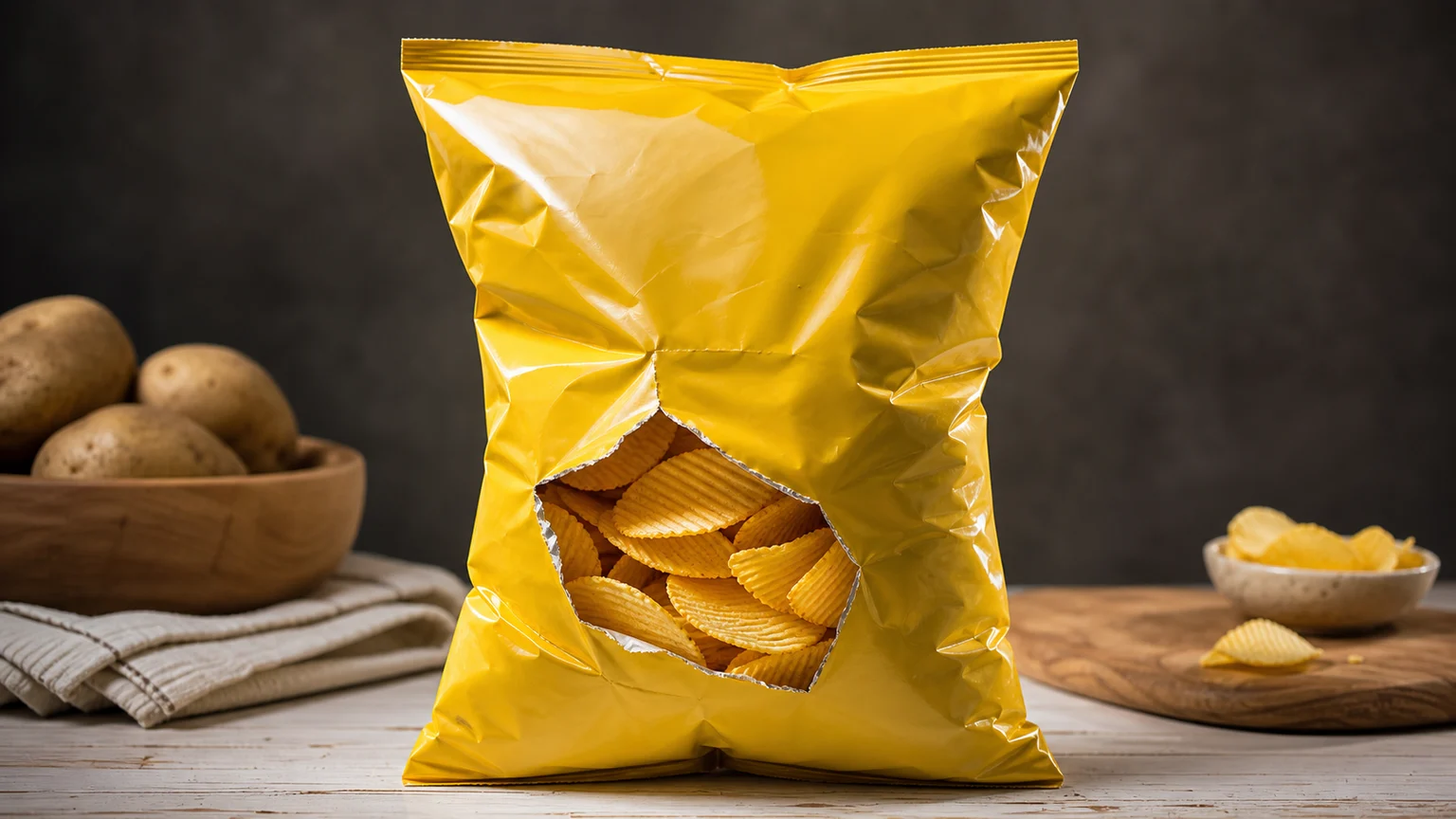
It is nitrogen, not regular air
Nitrogen is used specifically because it is inert, it does not react with oils or moisture the way oxygen does.
Oxygen makes chips go stale
Oxygen reacts with the fats in chips through oxidation, producing the rancid, cardboard-like taste of stale crisps.
The gas is also a cushion
The inflated bag acts as a protective shell against crushing during shipping and stacking on shelves.
Myth: it is deliberate deception to appear fuller
Fill levels are regulated. The gas volume is determined by protection and freshness requirements, not to mislead about quantity.
Everyday Objects
The foil interior of a chip bag blocks oxygen, moisture, and light from entering from outside. The nitrogen and the foil work together, neither alone would keep chips fresh for months.
Myth vs Reality
Fill levels are regulated by food packaging standards. The gas ratio is engineered around keeping chips intact and fresh, not around visual impression.
Continue learning
Everyday Objects
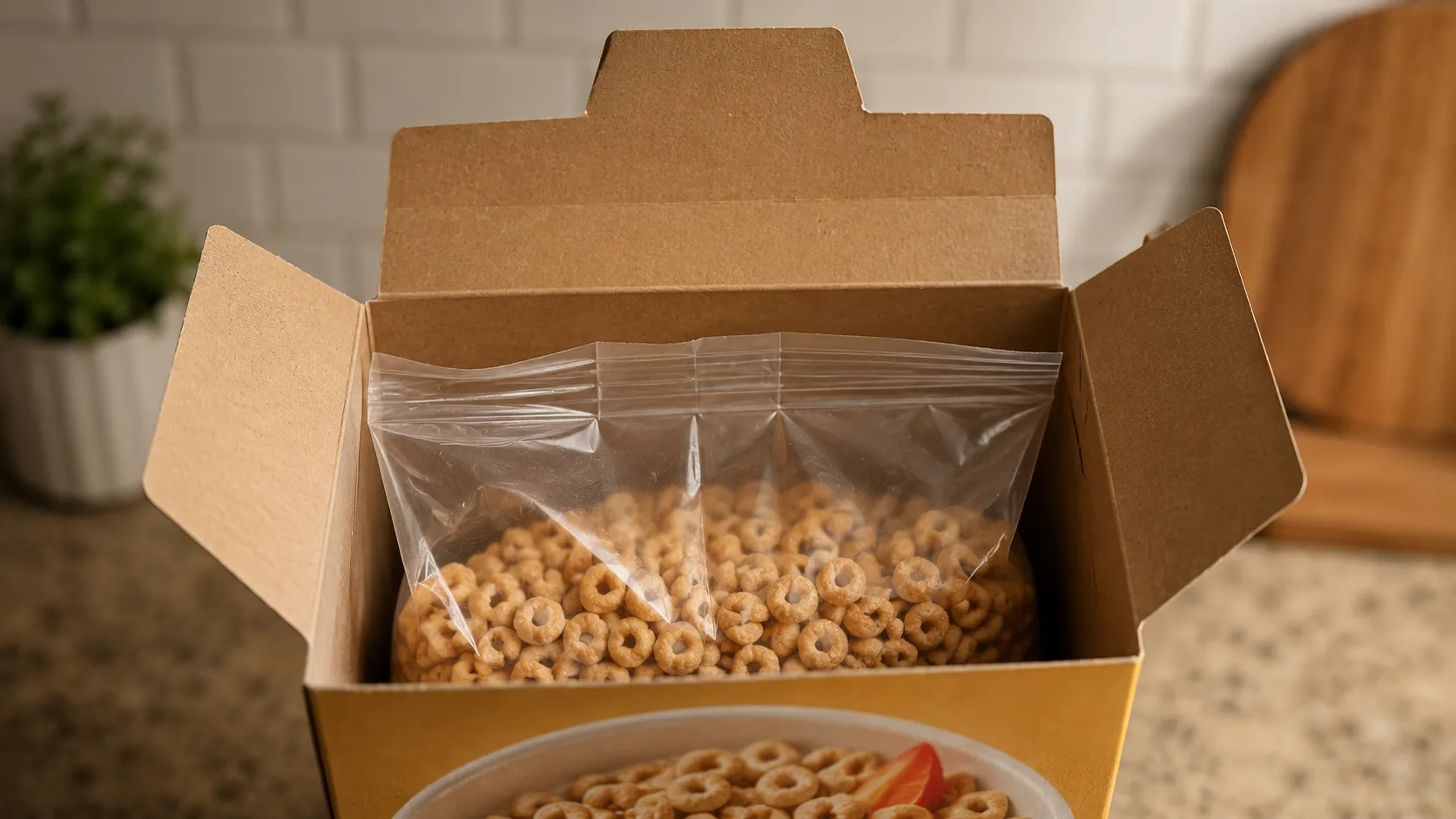
Both explain packaging engineering decisions driven by preserving the food inside.
Everyday Objects
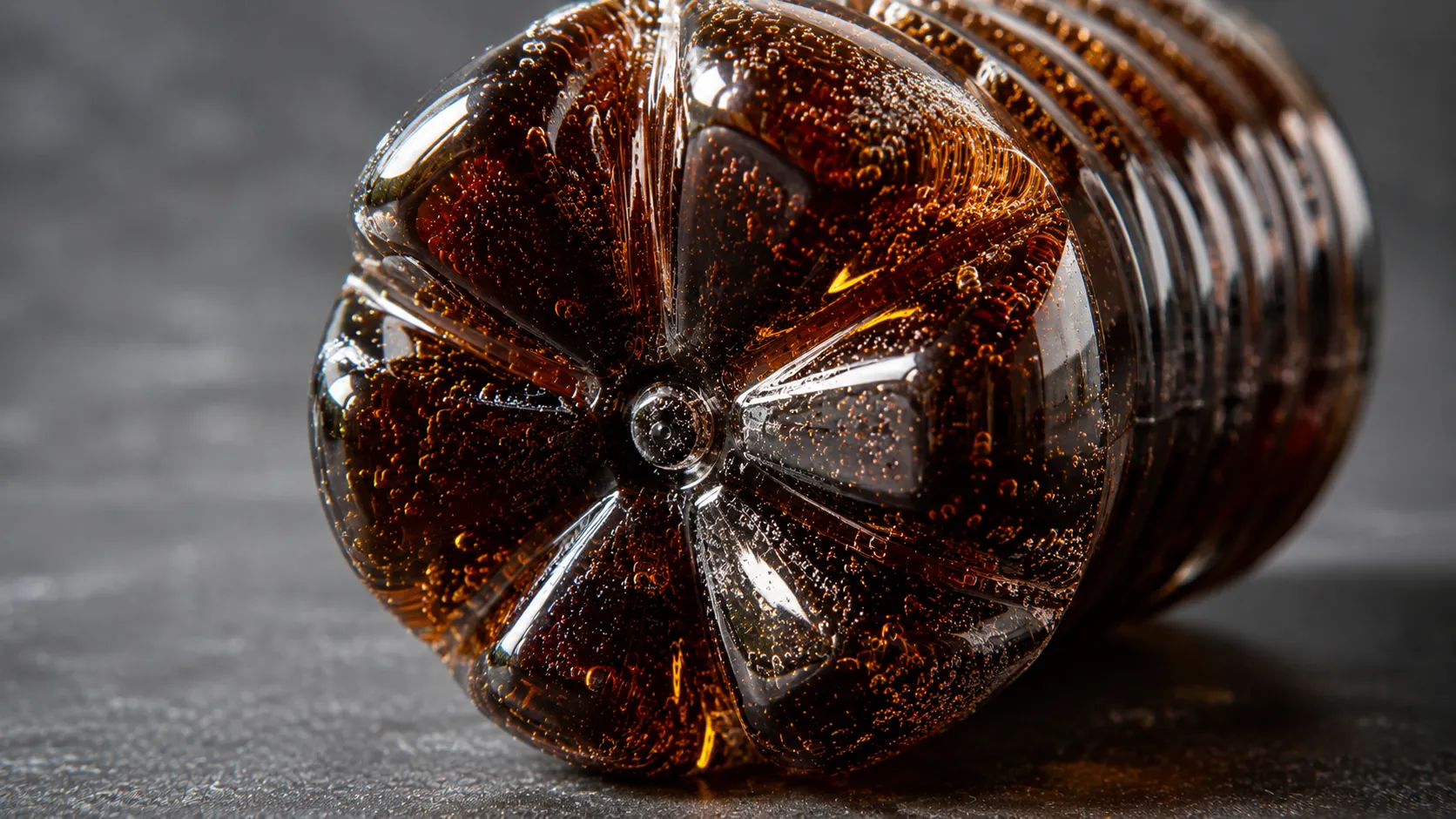
Both reveal how gas pressure shapes the design of food and drink packaging.
Everyday Objects
Both explain the chemistry behind products most people use without thinking about.