Myth vs Reality
It is a pressure-management engineering solution
The shape was developed specifically to allow lightweight plastic bottles to hold pressurised carbonated drinks without deforming.
Everyday Objects
Flip a soda bottle over and you will see a flower-like pattern of bumps. It looks decorative, but it is quietly keeping the bottle from exploding.
Quick answer
The bumpy, petal-shaped bottom on a plastic soda bottle is a structural design called a petaloid base. Its job is to resist the internal pressure created by carbonation. A flat plastic bottom would bow outward under the gas pressure inside, making the bottle wobble and become unstable. The petaloid lobes distribute that pressure across a curved shape, which is far stronger than a flat surface. The same principle is why arches hold more weight than flat beams. The shape does the structural work so the plastic itself does not have to be thick, keeping the bottle light and cheap.
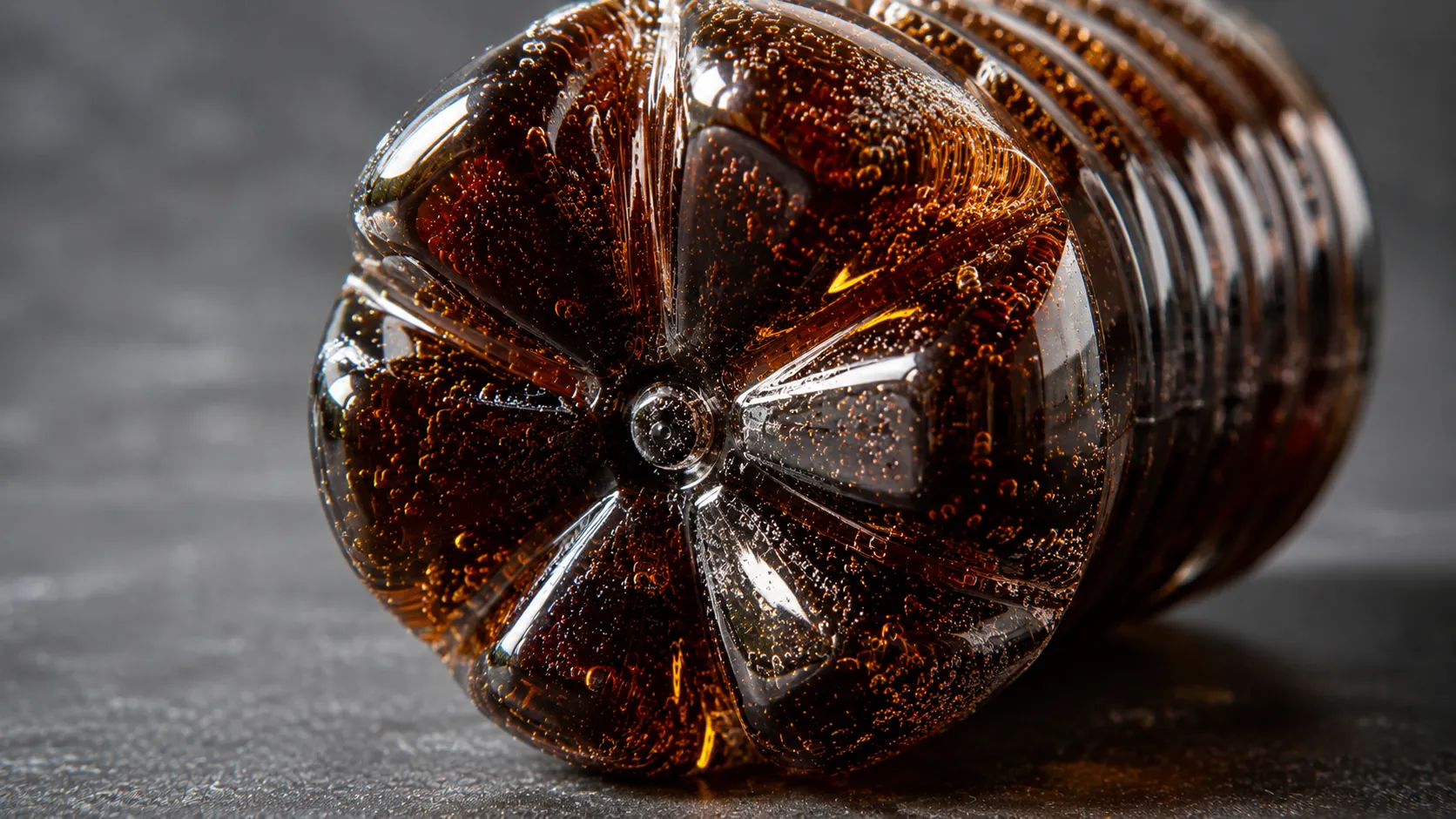
The design is called a petaloid base
The petal-like lobes spread internal pressure across curved surfaces instead of a flat area.
Carbonation creates real pressure
A sealed soda bottle can hold internal pressure equivalent to a car tire, a flat bottom would deform.
It also keeps the bottle stable
The lobes act as feet, giving the bottle several contact points on a flat surface.
Myth: it is just decorative
The shape is purely functional. It allows thinner, lighter plastic while maintaining structural integrity.
Everyday Objects
Flat or simple dimpled bases work fine for still water because there is no internal pressure to resist. The petaloid design is specifically a response to carbonation.
Myth vs Reality
The shape was developed specifically to allow lightweight plastic bottles to hold pressurised carbonated drinks without deforming.
Continue learning
Everyday Objects
Both explain packaging engineering decisions that protect the product.
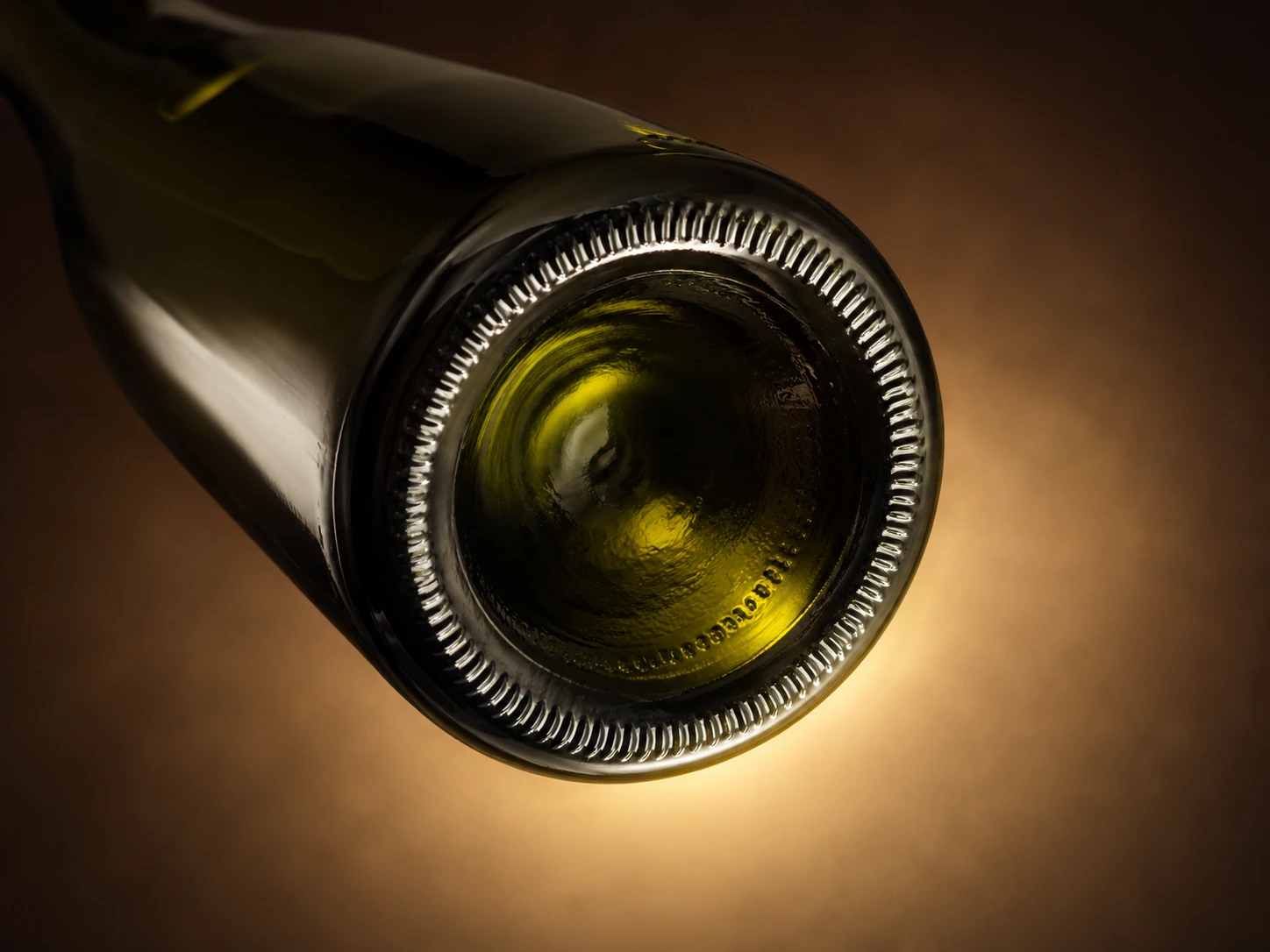
That deep dent in the bottom
Both reveal how bottle shape solves practical manufacturing and strength problems.

Those tiny grooves on the edge
Both show how ridges and curves add useful structure to everyday objects.