PSYCHOLOGICAL CONCEPT

What Is the Bandwagon Effect? Why Trends Go Viral

A trend starts. A few people join. More people join. Then everyone joins. The bandwagon effect explains why things go viral.

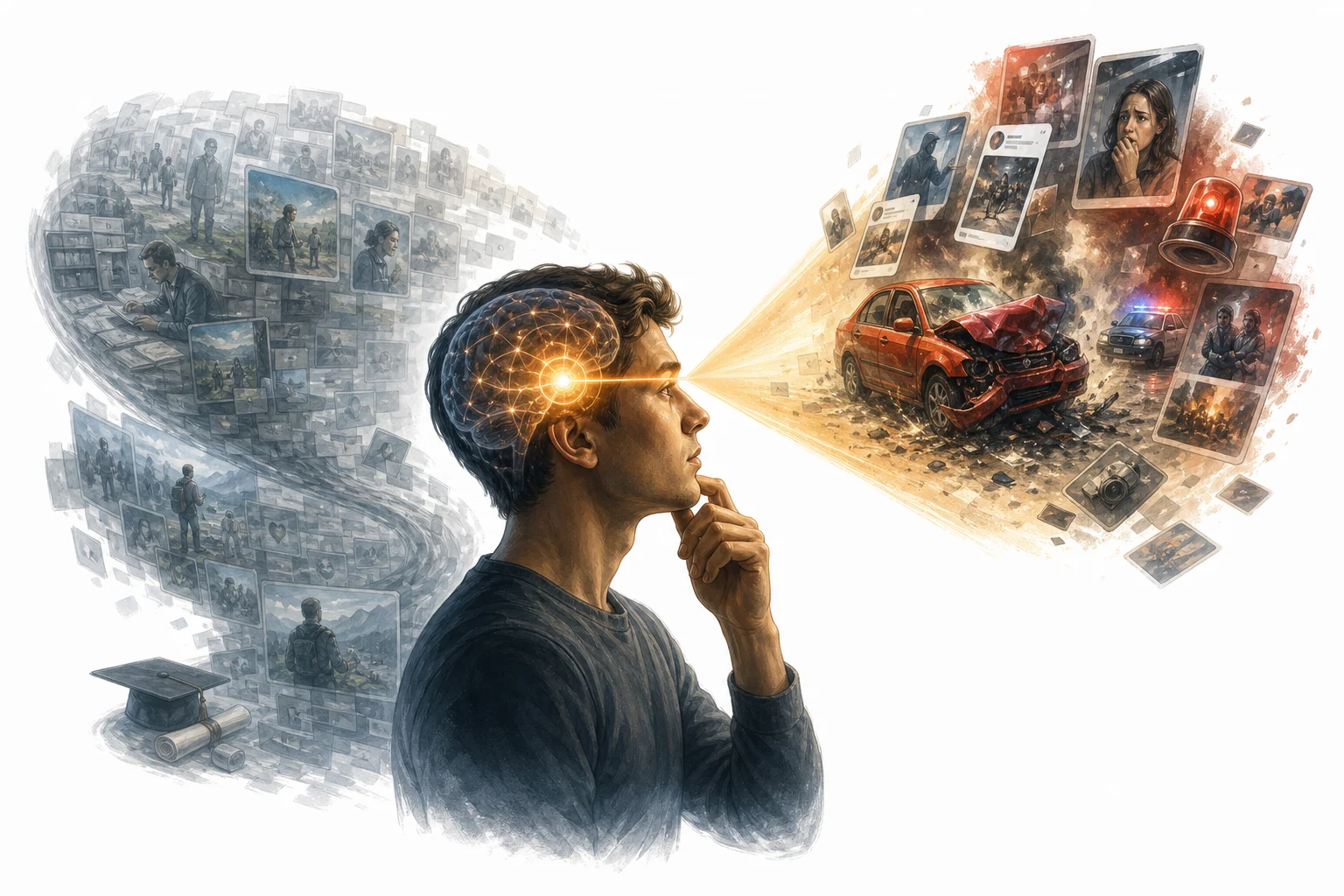
Editorial illustration of people jumping on a moving bandwagon
Creator Classic social psychology conceptOrigin Political campaignsYear 19th centuryCategory Psychology

QUICK ANSWER

Here is the idea in plain English.

The bandwagon effect is the tendency for people to adopt certain behaviors, styles, or attitudes simply because others are doing so. It is a specific type of social proof. The term comes from political campaigns, where people would 'jump on the bandwagon' of the winning candidate. The effect explains why trends spread, why fads exist, and why people follow the crowd.

If you remember only a few things, remember these.

The basic move

The bandwagon effect is simple: you do things because others are doing them. A trend starts. A few people join. More people join. Then everyone joins. You join too.

Why it matters

The effect is not about being stupid. It is about being social. Following the crowd is usually a good shortcut. But it can also lead to errors.

Use it deliberately

When making a decision, ask: am I following the crowd? Is the crowd right?

CORE IDEA

The concept in its simplest useful form.

What Does the Bandwagon Effect Mean in Simple Terms?

The bandwagon effect is simple: you do things because others are doing them. A trend starts. A few people join. More people join. Then everyone joins. You join too.

The effect is not about being stupid. It is about being social. Following the crowd is usually a good shortcut. But it can also lead to errors.

The problem is that the crowd can be wrong. Everyone can be wrong together. The bandwagon effect can lead to fads, bubbles, and bad decisions.
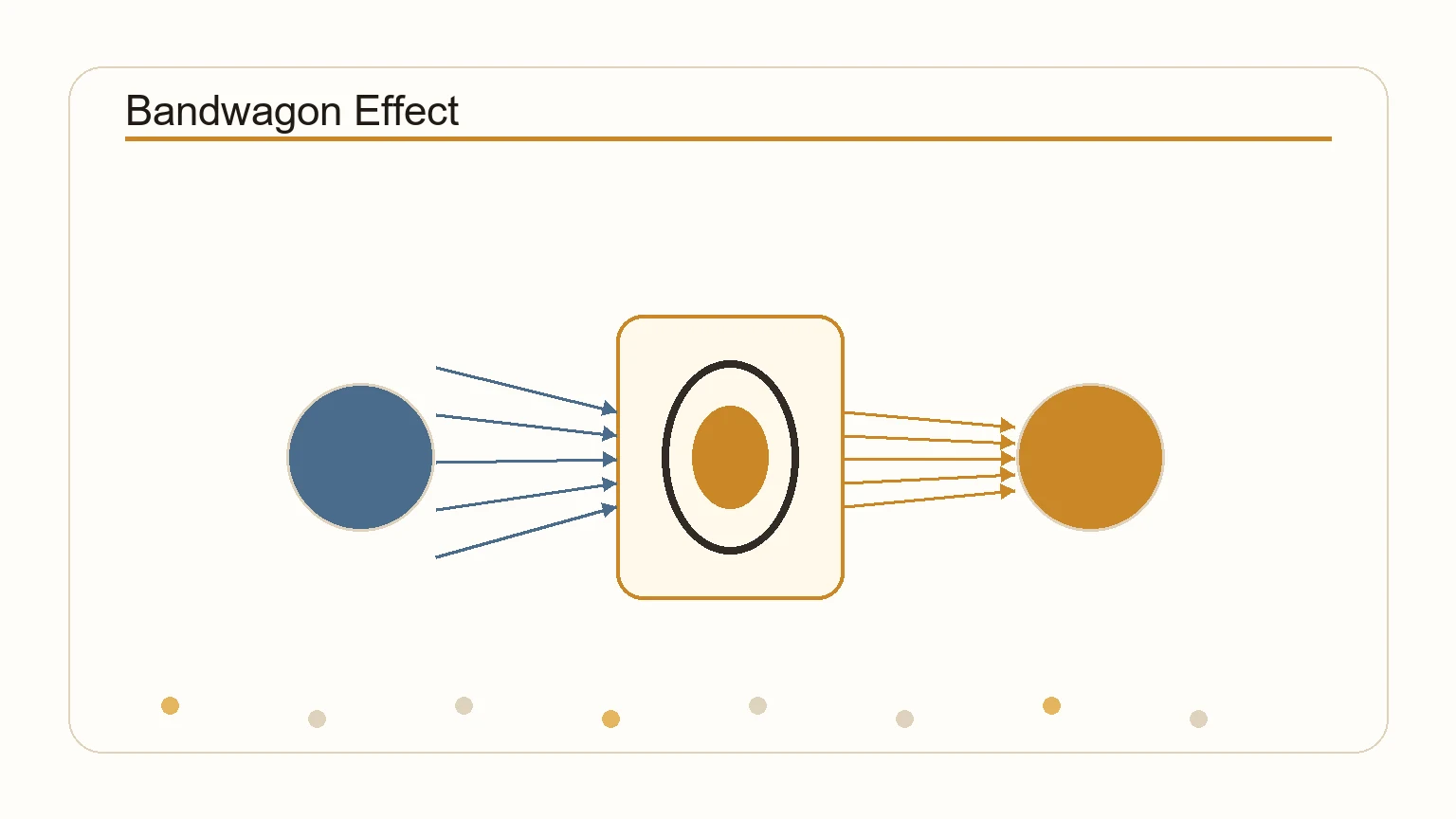
The small mechanism underneath the big idea.

01

The Story Behind the Bandwagon Effect

The term 'bandwagon' comes from political campaigns in the 19th century. Campaigns would have bands playing on a wagon. People would 'jump on the bandwagon' of the winning candidate. The term came to mean following the crowd.

The concept was later adopted by social psychology. It describes the tendency to adopt behaviors, styles, or attitudes simply because others are doing so.

Today, the bandwagon effect is a well-known concept in psychology and marketing.

02

Why the Bandwagon Effect Became Famous

The bandwagon effect became famous because it explains why trends go viral. It is a powerful force in marketing, politics, and culture.

The concept is widely used in psychology and marketing.

Today, the bandwagon effect is a foundational concept in social psychology.

Diagram showing the bandwagon effect and how trends gain momentum
A diagram showing how the bandwagon effect builds momentum and attracts more people.

Where this idea shows up outside the textbook.

History

The term comes from political campaigns. People would jump on the bandwagon of the winning candidate.

Marketing

A product becomes popular. More people buy it. It becomes more popular. The bandwagon effect is the cause.

Social Media

A trend starts on social media. A few people join. More people join. Everyone joins. The bandwagon effect is the cause.

Fashion

A style becomes popular. More people wear it. It becomes ubiquitous. The bandwagon effect is the cause.

CONCEPT MAP

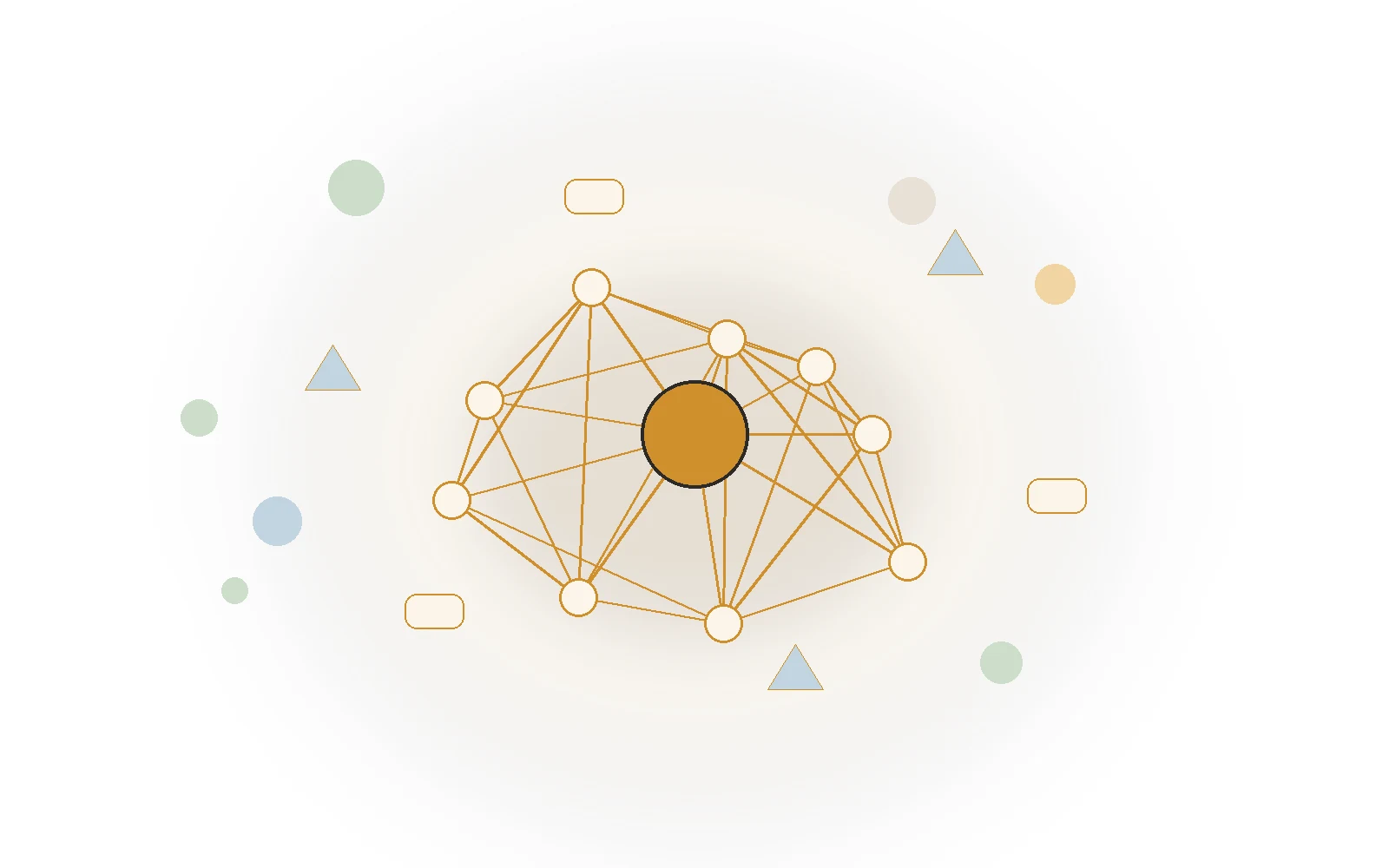
Every idea has neighbors. This is where the current concept sits in the TinyThat knowledge graph.

Current concept

Bandwagon Effect

People adopt beliefs or behaviors because they are popular.

What people often get wrong about this idea.

The bandwagon effect is the same as social proof.

No. Social proof is the broader category. The bandwagon effect is a specific type of social proof.

The bandwagon effect only applies to trends.

No. It applies to politics, fashion, and everyday behavior. Anywhere people follow the crowd.

You can eliminate the bandwagon effect.

You cannot eliminate it. You can only recognize it. The goal is to be aware of the bias.

Three simple ways to apply the idea without turning it into a slogan.

1

When making a decision, ask: am I following the crowd? Is the crowd right?

When making a decision, ask: am I following the crowd? Is the crowd right?

2

Be skeptical of popularity

Be skeptical of popularity. Popular is not always correct.

3

Consider the source

Consider the source. The crowd can be wrong.

EXPLORE NEXT

The best next ideas to read after this one.

Quick answers to common questions.

What is the bandwagon effect in simple terms?

People do things because others are doing them. Trends spread because people follow the crowd.

What is an example of the bandwagon effect?

A product becomes popular. More people buy it. It becomes more popular. The bandwagon effect is the cause.

How do you avoid the bandwagon effect?

Be skeptical of popularity. Popular is not always correct. Consider the source.

Why is the bandwagon effect a problem?

It can lead to fads, bubbles, and bad decisions. Following the crowd can lead to errors.