ECONOMIC CONCEPT

What Is Moral Hazard? Why Insurance Changes Behavior

You have car insurance. You drive more carefully? No. You drive less carefully. Insurance changes behavior. That is moral hazard.

Editorial illustration of a person taking a risk because they are insured
Creator Classic economic conceptOrigin EconomicsYear 19th centuryCategory Economics

QUICK ANSWER

Here is the idea in plain English.

Moral hazard is a situation where a person takes more risk because they are protected from the consequences. It is a concept in economics and insurance. The term comes from the insurance industry. When people are insured, they take more risks. The behavior change is the moral hazard.

If you remember only a few things, remember these.

The basic move

Moral hazard is simple: when you are protected from risk, you take more risk. If you have insurance, you drive less carefully. If you have a bailout, you take more risks in business.

Why it matters

The problem is not about morality. It is about incentives. Protection changes behavior. The behavior change is the moral hazard.

Use it deliberately

When designing a system, ask: what behavior will protection encourage? How will people respond?

CORE IDEA

The concept in its simplest useful form.

What Does Moral Hazard Mean in Simple Terms?

Moral hazard is simple: when you are protected from risk, you take more risk. If you have insurance, you drive less carefully. If you have a bailout, you take more risks in business.

The problem is not about morality. It is about incentives. Protection changes behavior. The behavior change is the moral hazard.

The solution is to design incentives carefully. Make people share the cost of their actions. Then they will be more careful.
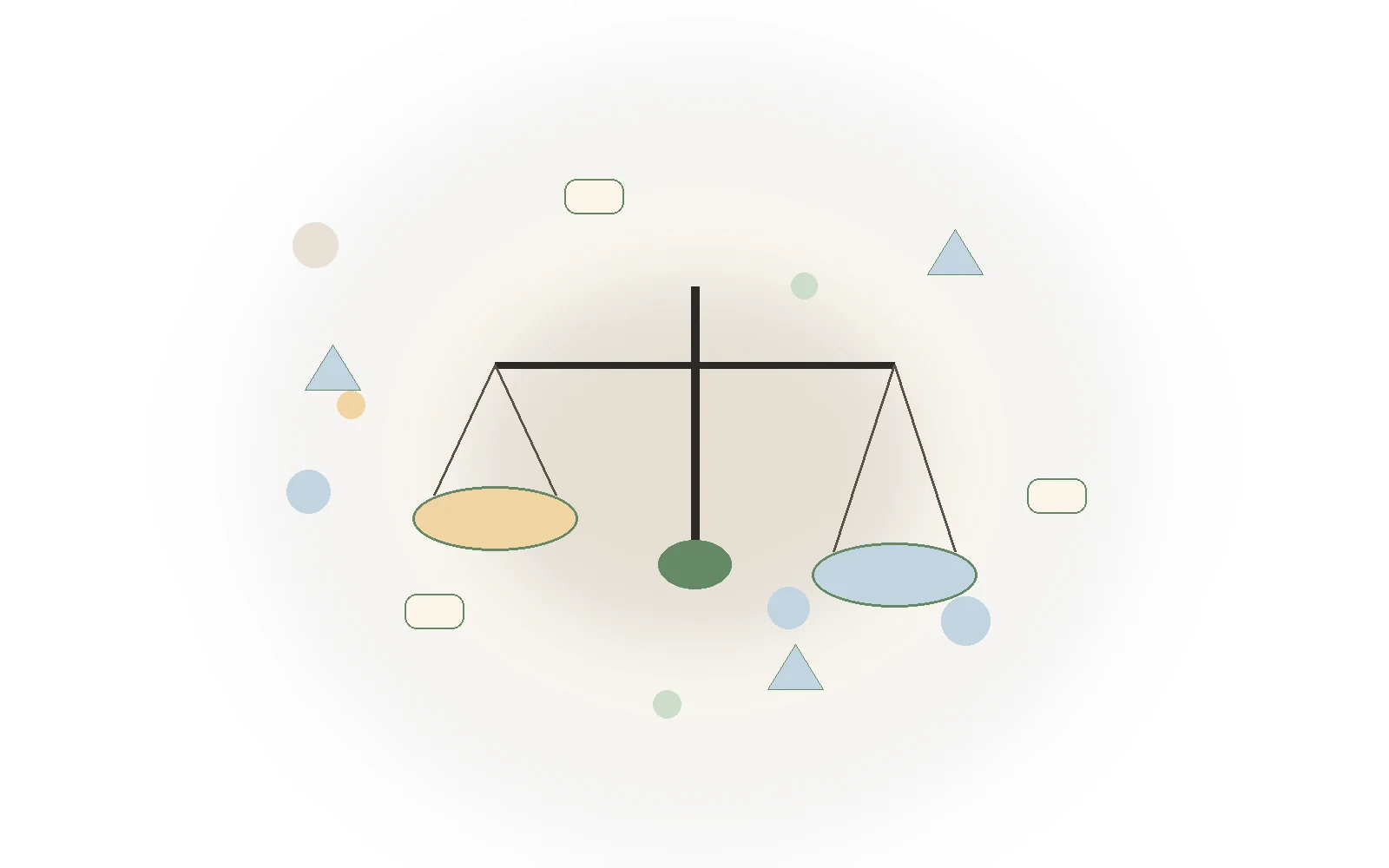
The small mechanism underneath the big idea.

01

The Story Behind Moral Hazard

Moral hazard has been recognized for centuries. The term comes from the insurance industry. Insurance companies noticed that insured people took more risks. They were less careful because they were protected.

The concept is central to economics. It explains why insurance is expensive, why bailouts create perverse incentives, and why contracts must be carefully designed.

Today, moral hazard is a foundational concept in economics and insurance.

02

Why Moral Hazard Became Famous

Moral hazard became famous because of the 2008 financial crisis. Banks took excessive risks because they knew they would be bailed out. The bailout created moral hazard.

The concept is widely used in economics, insurance, and public policy.

Today, moral hazard is a foundational concept in economics.

Diagram showing how insurance and protection create moral hazard
A diagram showing how protection from risk leads to more risk-taking behavior.

Where this idea shows up outside the textbook.

Insurance

People with health insurance take more risks with their health. They are protected. They are less careful.

Finance

Banks take excessive risks because they know they will be bailed out. The bailout creates moral hazard.

Everyday Life

You are less careful with a rental car. It is insured. You take more risks.

Government

Businesses take excessive risks because they know the government will bail them out. Moral hazard is the cause.

CONCEPT MAP

Every idea has neighbors. This is where the current concept sits in the TinyThat knowledge graph.

Current concept

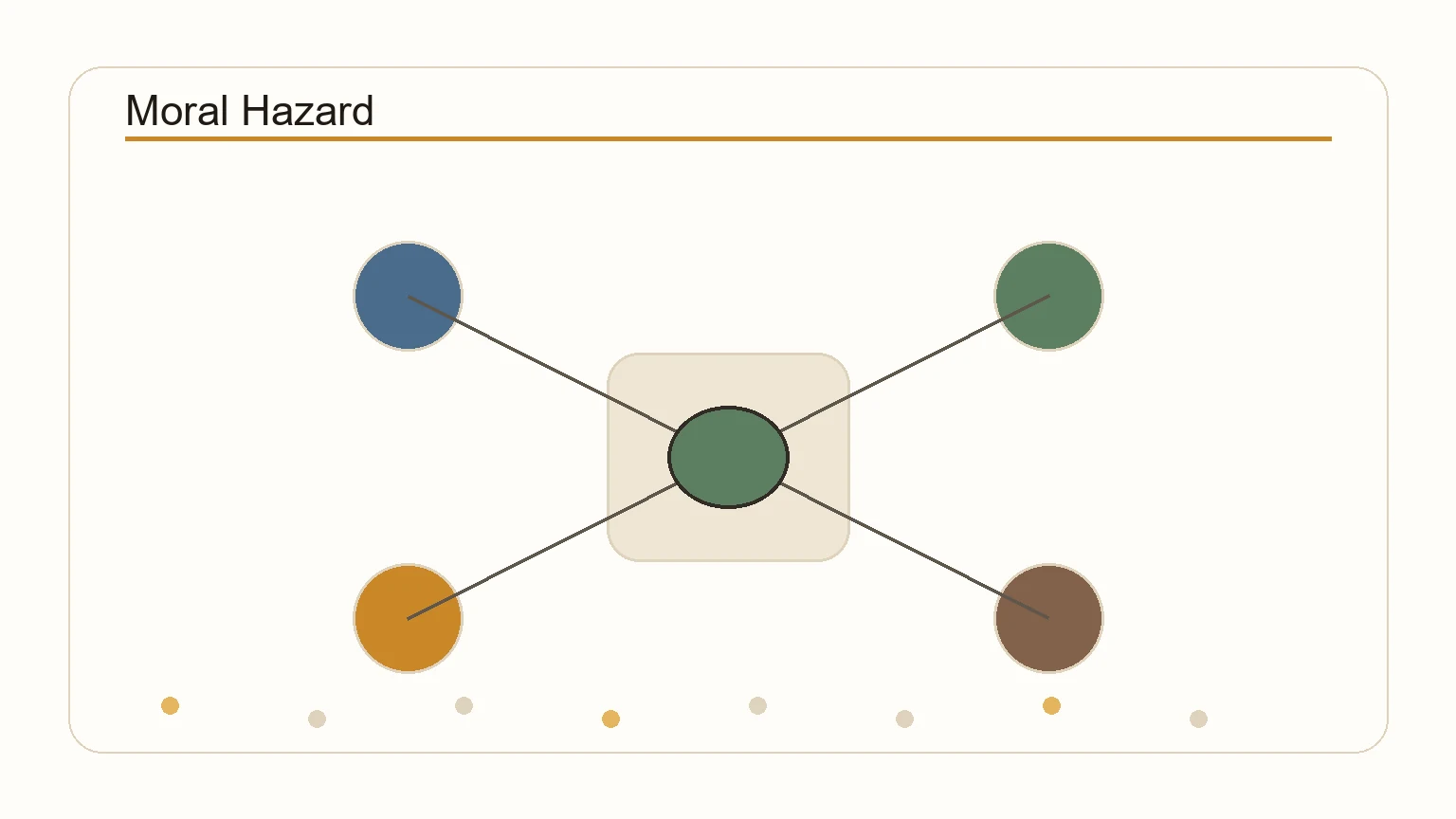
Moral Hazard

People take more risk when someone else bears the cost.

What people often get wrong about this idea.

Moral hazard means people are immoral.

No. It is about incentives. Protection changes behavior. The problem is structural, not personal.

Moral hazard only applies to insurance.

No. It applies to finance, government, and everyday life. Any protection creates moral hazard.

You can eliminate moral hazard.

You cannot eliminate it. You can only manage it. Design incentives carefully.

Useful ideas become dangerous when they are stretched too far.

Criticisms and Limitations of Moral Hazard

Moral hazard is a powerful concept, but it has limitations. Not everyone takes more risk when protected. Some people are responsible.

The concept can be overused. Not every risk is moral hazard. Sometimes people are just unlucky.

The concept is a heuristic, not a law. It is a guide, not a rule.

Three simple ways to apply the idea without turning it into a slogan.

1

When designing a system, ask: what behavior will protection encourage? How will people respond?

When designing a system, ask: what behavior will protection encourage? How will people respond?

2

Make people share the cost of their actions

Make people share the cost of their actions. Deductibles and co-pays reduce moral hazard.

3

Be aware of moral hazard in your own life

Be aware of moral hazard in your own life. Protection changes behavior. Recognize it.

EXPLORE NEXT

The best next ideas to read after this one.

Quick answers to common questions.

What is moral hazard in simple terms?

When you are protected from risk, you take more risks. Insurance changes behavior. That is moral hazard.

What is an example of moral hazard?

You have car insurance. You park less carefully. You take more risks. That is moral hazard.

How do you avoid moral hazard?

Design incentives carefully. Make people share the cost of their actions. Deductibles and co-pays reduce moral hazard.

Why is moral hazard a problem?

It leads to more risk-taking. Protection encourages recklessness. The behavior change is the problem.