Myth vs Reality
It's intentional and doesn't affect security.
The hole is too small to be exploited and is placed on the body, not the shackle mechanism. It's a deliberate design choice to extend the lock's working life, especially for outdoor use.
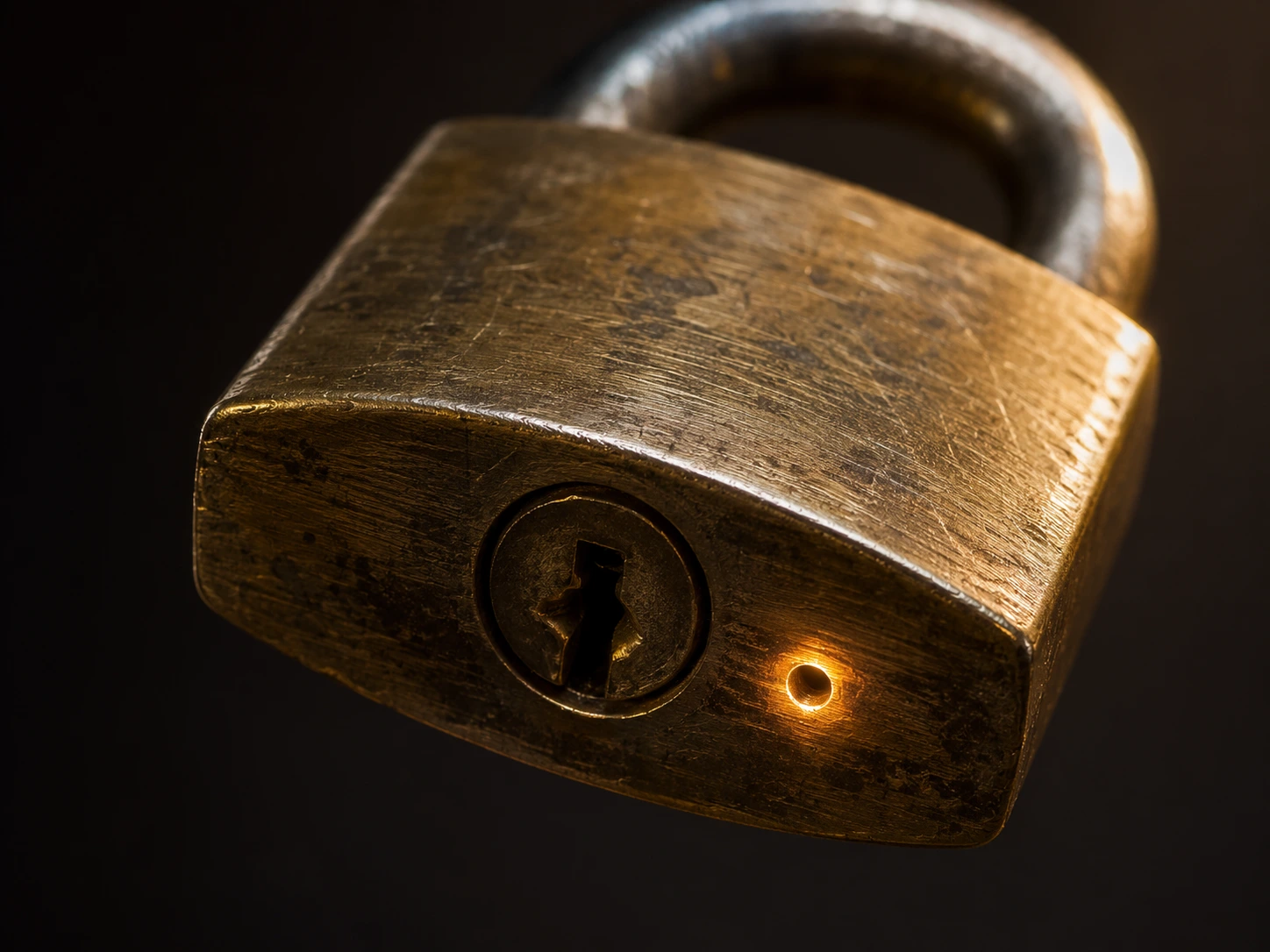
That pinhole you never noticed
The tiny hole under a padlock is not a secret key slot. It lets water drain out so the lock is less likely to rust and jam.
Quick answer
That hole is a drain hole, also called a weep hole. Padlocks used outdoors on gates, sheds, and fences are constantly exposed to rain. Without a way out, water sits inside the lock body and rusts the internal pins, springs, and tumblers until the lock jams or fails completely. In freezing weather, trapped water expands as ice and can crack the mechanism. The hole lets water drain out before any of that happens. As a bonus: you can squeeze a few drops of lubricant into it to revive a stiff or stuck lock.
Official name
Drain hole or weep hole
Primary job
Drain water to prevent rust
Secondary job
Lubrication port
On every padlock?
No, mainly outdoor types
That pinhole you never noticed
If your padlock is stiff or won't open, insert a dry lubricant like graphite powder or PTFE spray directly into the drain hole. Let it sit for 30 seconds, then try the key or combination. Avoid WD-40 for long-term use, it attracts dirt. A purpose-made lock lubricant is better.
Myth vs Reality
The hole is too small to be exploited and is placed on the body, not the shackle mechanism. It's a deliberate design choice to extend the lock's working life, especially for outdoor use.
Continue learning

That pinprick you spotted mid-flight
Another tiny engineered hole that does a surprisingly important job.
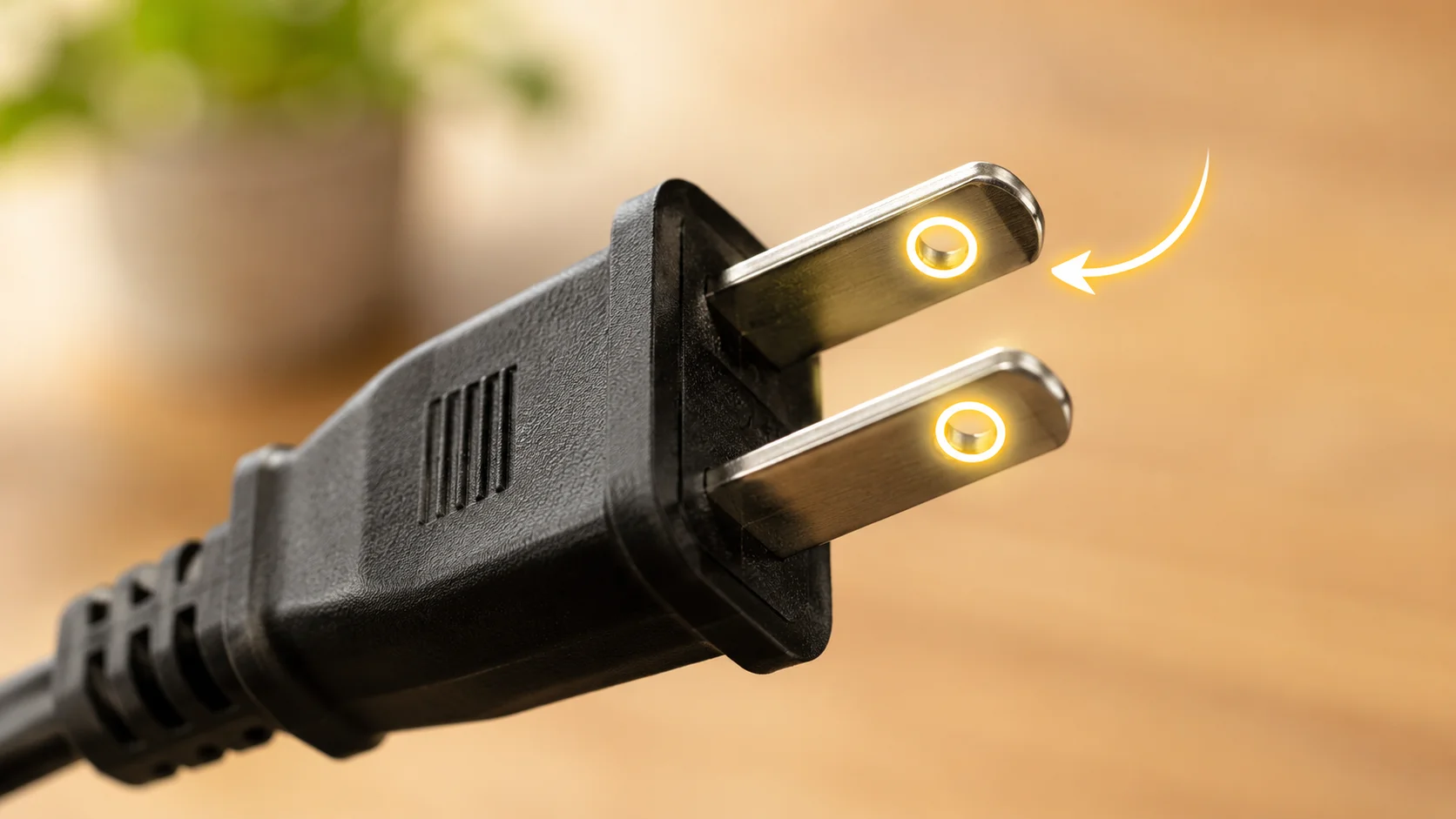
That little hole in every prong
Another small hole that most people assume is decorative or accidental.
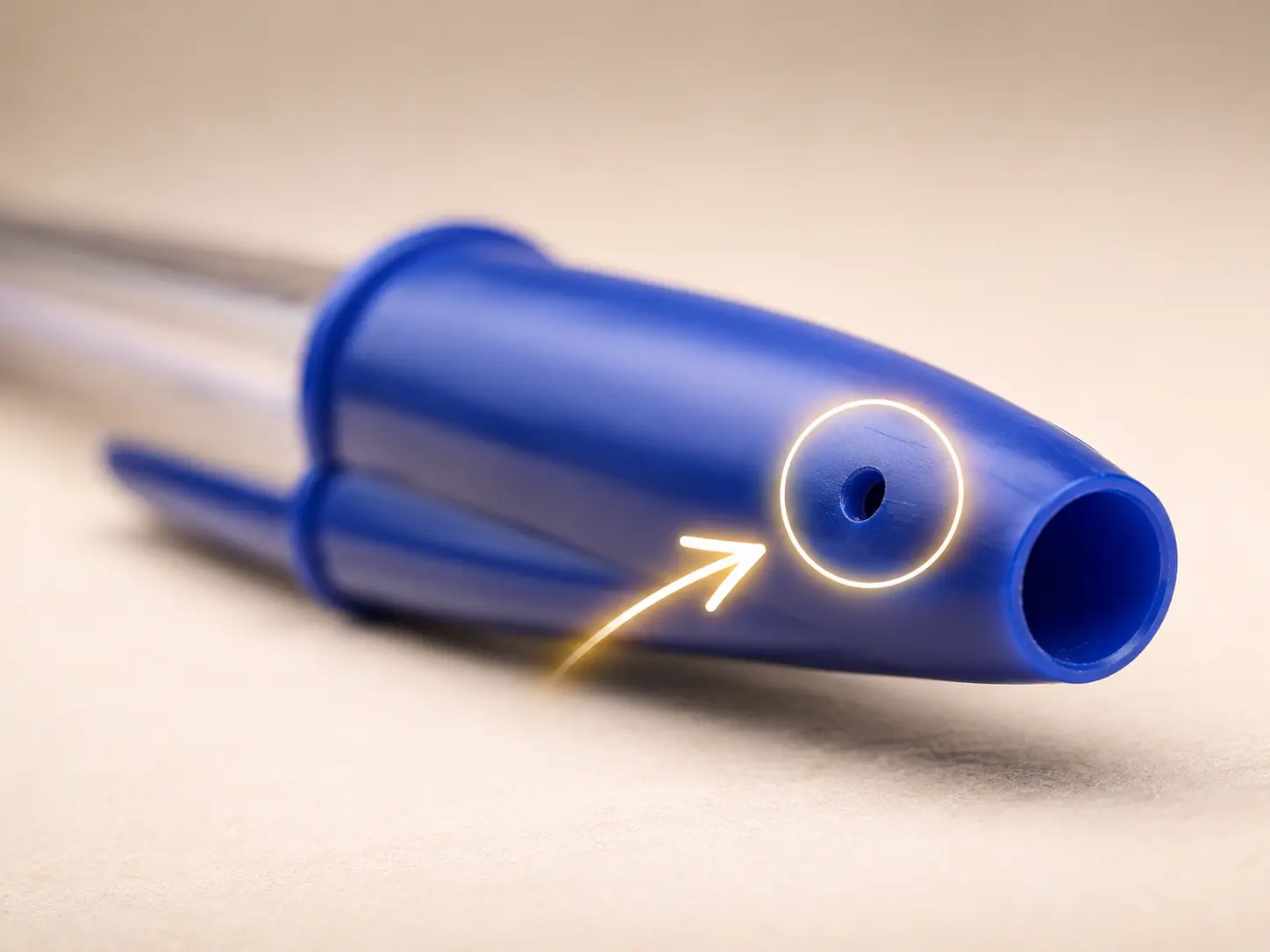
You noticed the tiny hole
Another product with a hole that serves a safety or functional purpose.